SAEDNEWS: Peanut butter is a nutritious food, and with a few simple storage tips, you can enjoy its full flavor and nutritional benefits for a long time.
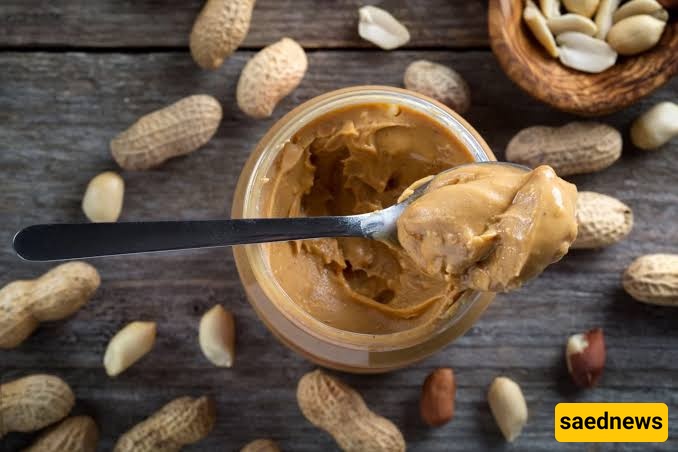
According to Saednews, Peanut butter is one of the most popular and nutritious foods in many people’s diets, from athletes to parents looking for an energy-boosting breakfast or snack. However, because it contains natural fats and is sensitive to heat, proper storage is essential to maintaining its quality and freshness.
This guide answers the most common questions about storing peanut butter, including whether it can go bad, how to preserve it at different temperatures, and how to recognize signs of spoilage. The goal is to help you maximize its shelf life and enjoy it at its best.
Although peanut butter does not spoil as quickly as many other foods, it certainly does not last forever. Because it contains very little water, it generally does not provide an ideal environment for rapid bacterial growth. Instead, the main concern is a process known as oxidation.
Natural peanut butter, because it contains fewer added ingredients, is more susceptible to oxidation, particularly when exposed to heat or light. In contrast, some commercial brands contain hydrogenated oils or stabilizers that slow oxidation. However, even these products can lose their quality when stored improperly.
Recognizing spoiled peanut butter can sometimes be difficult, but a change in flavor is often the first warning sign. The texture may become dry or unusually firm, and the oil may separate on the surface. However, these texture changes do not necessarily mean the peanut butter has spoiled.
If the peanut butter develops a sour, metallic, or bitter taste, discard it.
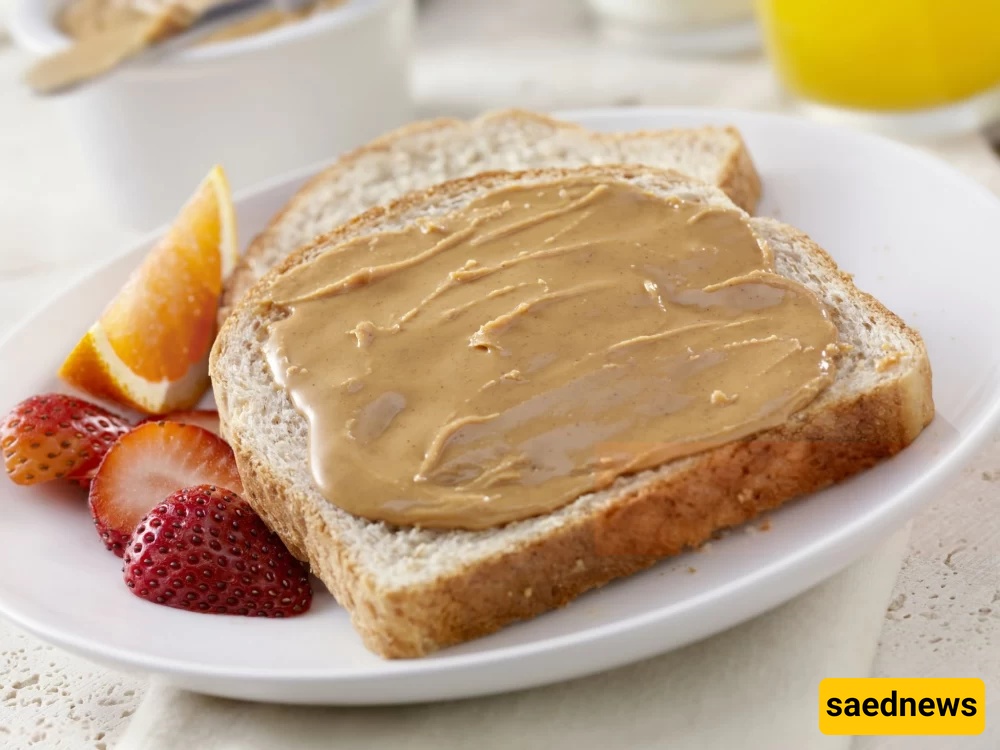
Understanding that the primary goal of proper peanut butter storage is to prevent fat oxidation can help you make the right choices. The cooler, darker, and less exposed to air the storage environment is, the more slowly oxidation occurs. This helps preserve the peanut butter's quality for longer.
The best storage method depends on whether the peanut butter is natural or commercial and how quickly you plan to use it. The two main storage options are a kitchen cupboard at room temperature and the refrigerator.
Traditional and commercial peanut butter varieties containing hydrogenated oils or stabilizers can generally be stored in a cool, dry cupboard for several months, provided the product label allows it. This method also helps maintain a smooth, spreadable texture.
After opening the container, always close the lid tightly to minimize exposure to air.
Natural peanut butter requires slightly different care. Since it typically contains more naturally occurring oil and fewer stabilizing ingredients, refrigeration is generally recommended after opening, especially if you want to extend its freshness.
Refrigeration slows oxidation and helps preserve the product's quality. However, natural peanut butter may become firmer in the refrigerator, so you might need to let it sit at room temperature briefly before spreading.
Freezing is a useful option if you have a large quantity of peanut butter or do not expect to use it for several months.
Transfer it to an airtight, freezer-safe container, leaving a little room for expansion if necessary. Peanut butter can generally be frozen for several months, and potentially up to a year, while maintaining good quality.
When you are ready to use it, thaw it gradually in the refrigerator or at room temperature. Follow the manufacturer's storage instructions whenever available.
Regardless of your chosen storage method, always use a clean, dry spoon to scoop out peanut butter.
Introducing moisture, bread crumbs, or other food particles into the container can encourage mold growth and significantly shorten its shelf life.
Many people wonder whether peanut butter that has been sitting in a cupboard or refrigerator for a while is still safe to eat.
Peanut butter spoilage is often associated with fat oxidation, which changes its smell, taste, and appearance. Although peanut butter generally has a relatively long shelf life, it is important to watch for the following warning signs.
One of the clearest signs of spoilage is an unusual odor. Fresh peanut butter typically has a rich, nutty aroma resembling roasted peanuts.
If it smells sour, sharp, stale, or like old oil, the fats may have undergone significant oxidation. In this case, discard the peanut butter.
Although mold growth in peanut butter is relatively uncommon, visible mold should never be ignored. If you notice green, gray, or black spots on the surface, discard the entire container rather than attempting to remove the affected portion.
A noticeable change in color, such as unusually dark brown or yellow discoloration, may also indicate deterioration, particularly when accompanied by an unpleasant odor or other signs of spoilage.
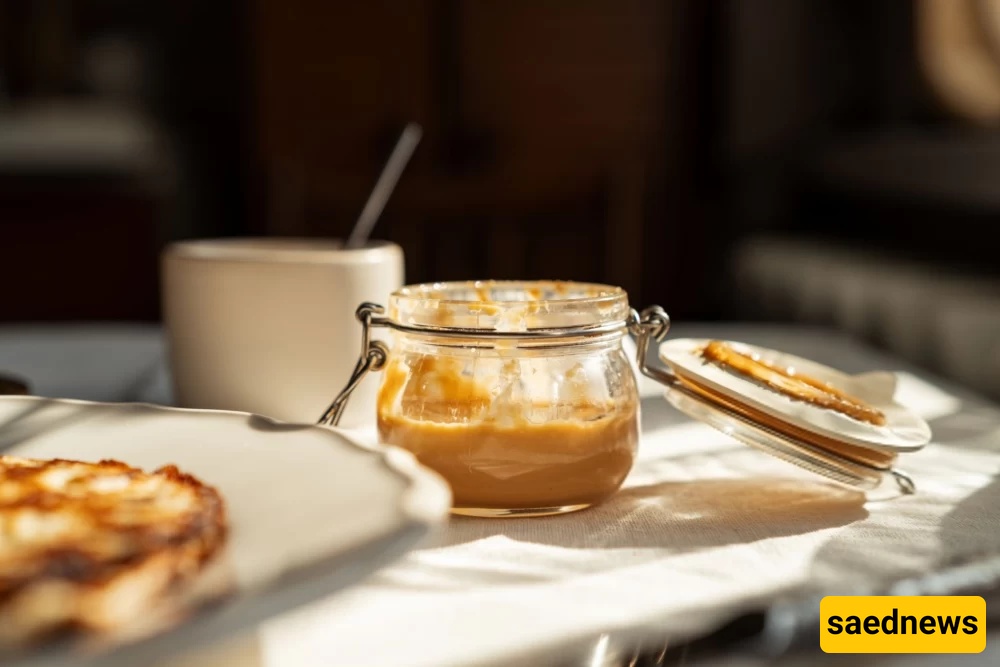
If the peanut butter looks normal but you suspect it may have deteriorated, do not taste it to test its safety. Instead, check the expiration or best-before date, storage history, smell, and appearance.
A bitter, sour, or metallic flavor can indicate rancid fats. If you have already noticed an unusual smell or visible mold, do not consume the product.
Peanut butter naturally becomes firmer in the refrigerator, so a hard texture alone does not necessarily indicate spoilage.
However, if it becomes unusually dry or develops a persistent, unpleasant texture alongside other signs of deterioration, its quality may have declined. Oil separation is also common in natural peanut butter and is not, by itself, a sign of spoilage.
The best storage method depends on the type of peanut butter, how soon you plan to use it, and the manufacturer's instructions.
For commercial peanut butter, a cool, dry cupboard is usually suitable if the label permits it. For natural peanut butter, refrigeration after opening is often the better option. Freezing can help preserve larger quantities for longer periods.
Most importantly, keep the container tightly sealed, avoid heat and direct sunlight, and always use clean, dry utensils. These simple habits can help maintain peanut butter's flavor, texture, and quality for as long as possible.