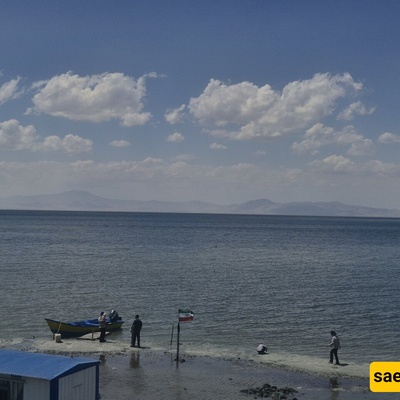
SAEDNEWS: The Temple of Apollo is one of Turkey’s notable historical attractions, offering a glimpse into the country’s rich ancient heritage.
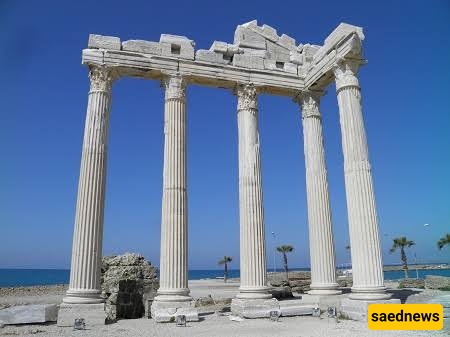
According to Saednews, Didim is one of the most attractive coastal cities in western Turkey. Known for its beautiful beaches and rich historical heritage, the city attracts many tourists throughout the year. One of its most famous landmarks is the Temple of Apollo, an impressive ancient site that offers visitors a glimpse into the region’s fascinating past.
In addition to sandy beaches, crystal-clear blue waters, and natural attractions, Didim is home to numerous historical and cultural landmarks. The city enjoys a mild and pleasant climate, making it an ideal destination for exploring its outdoor attractions.
The Temple of Apollo is located in the popular tourist city of Didim. Often described as a hidden paradise, Didim is considered one of the historically significant destinations in Turkey. Visitors can explore the remains of this remarkable ancient structure, which is notable for its distinctive architecture and historical importance.
The temple was once an important religious center in the Aegean region and played a significant role in the ancient world.
Several legends are associated with the Temple of Apollo, adding to its historical and cultural appeal. One of the most famous stories is connected to Greek mythology and a romantic tale involving Zeus and Leto.
According to legend, Leto, one of Zeus’s lovers, gave birth to Apollo, who later became one of the most important gods in Greek mythology. The name Apollo is traditionally associated with light and illumination, and the temple was dedicated to this important deity.
When entering the temple complex, visitors can see various decorative carvings and architectural details that once adorned the entrance and other parts of the structure.
Some of the carved figures are associated with Medusa in ancient mythology. These figures were believed to have a protective role, symbolically guarding the temple.
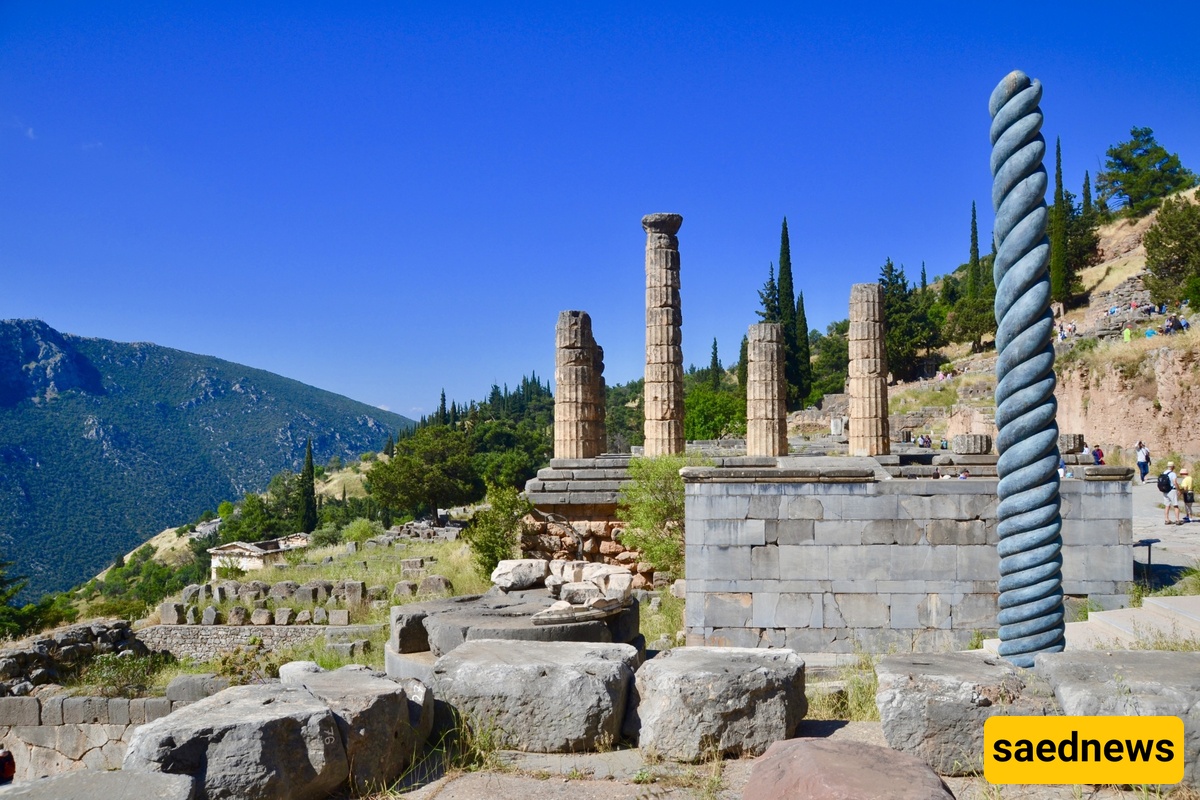
The surrounding vegetation and other natural elements are also connected to ancient legends involving Apollo and his love for a young woman. Numerous other stories and myths are associated with the site.
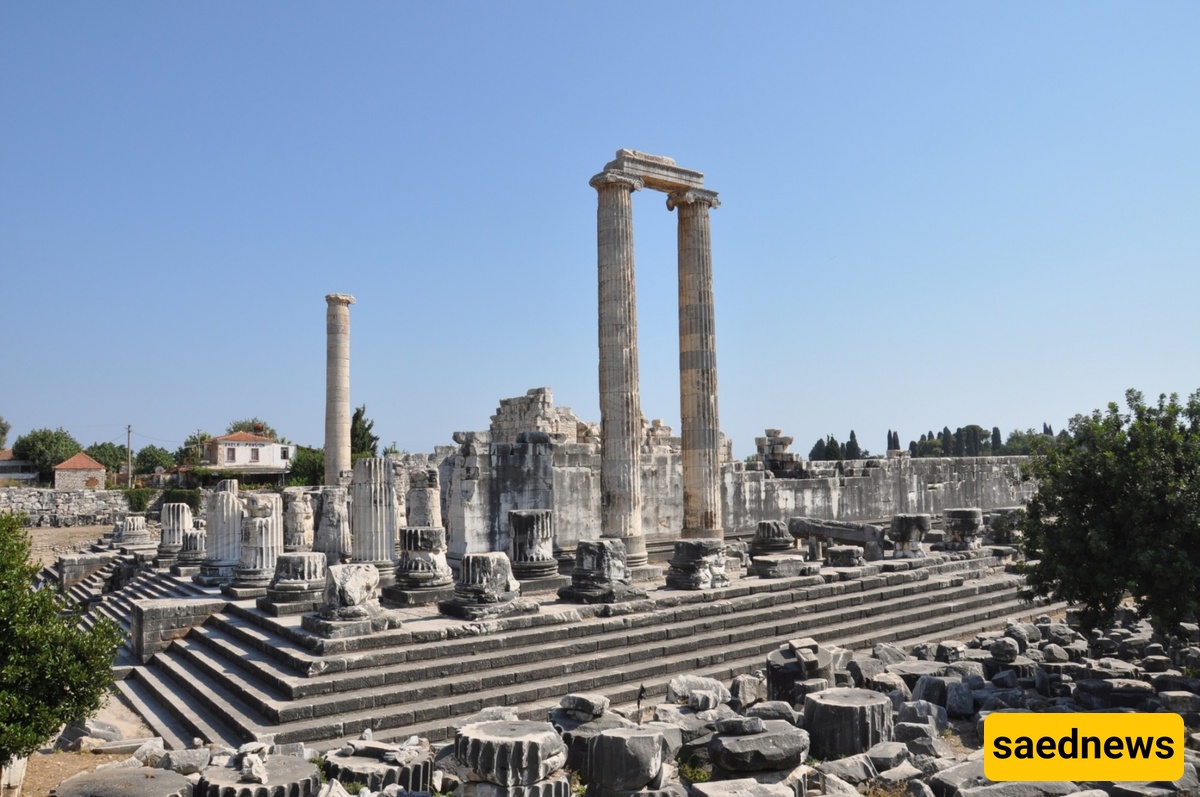
The Temple of Apollo was once an exceptionally magnificent structure. Today, however, only parts of the ancient complex remain, including several impressive columns, walls, and other ruins.
The temple was damaged over the centuries, particularly by earthquakes, leaving only portions of the original structure standing. Visitors can still admire the surviving architectural elements and imagine the grandeur of the ancient sanctuary.
The remaining columns are predominantly gray and feature distinctive reddish streaks, giving them a unique appearance.
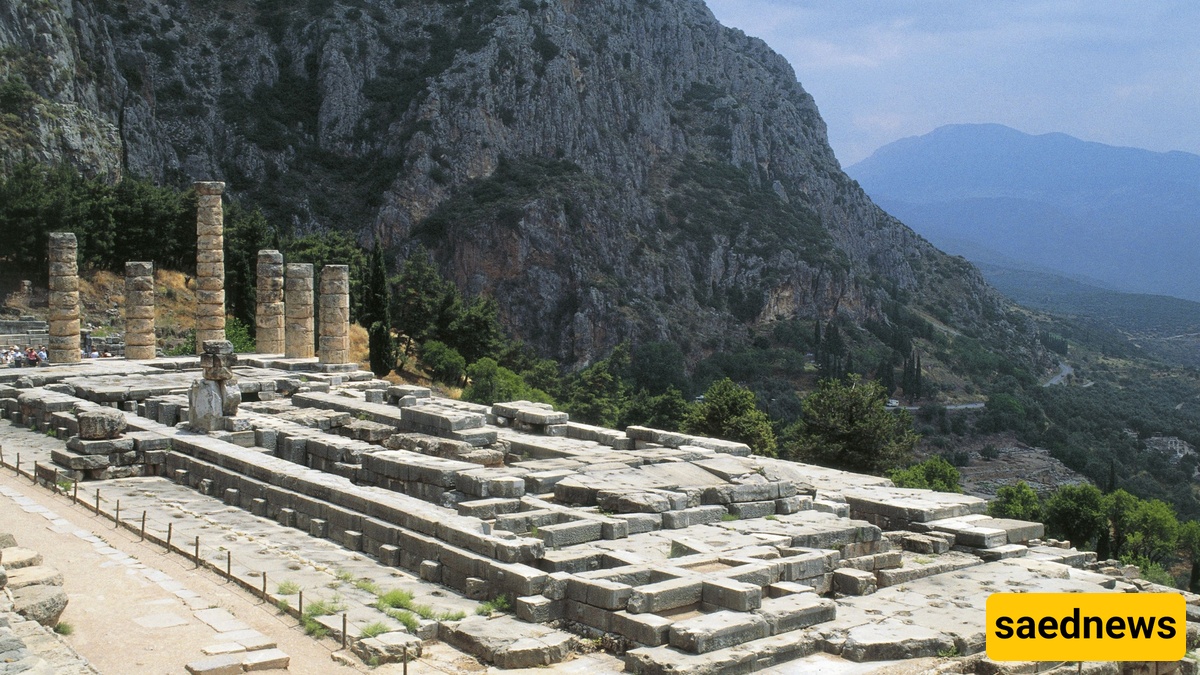
Archaeologists have conducted extensive research at the site and uncovered evidence of its considerable historical age and importance. Restoration work has also been carried out to preserve the remaining structures and protect the temple’s historical value.
These conservation efforts help strengthen and preserve the foundations and surviving columns, allowing future generations to appreciate one of Didim’s most important ancient landmarks.