SAEDNEWS: A child may leave their seat during meals due to restlessness, distractions, discomfort, or a lack of hunger. Understanding the cause can help parents create calmer mealtimes.
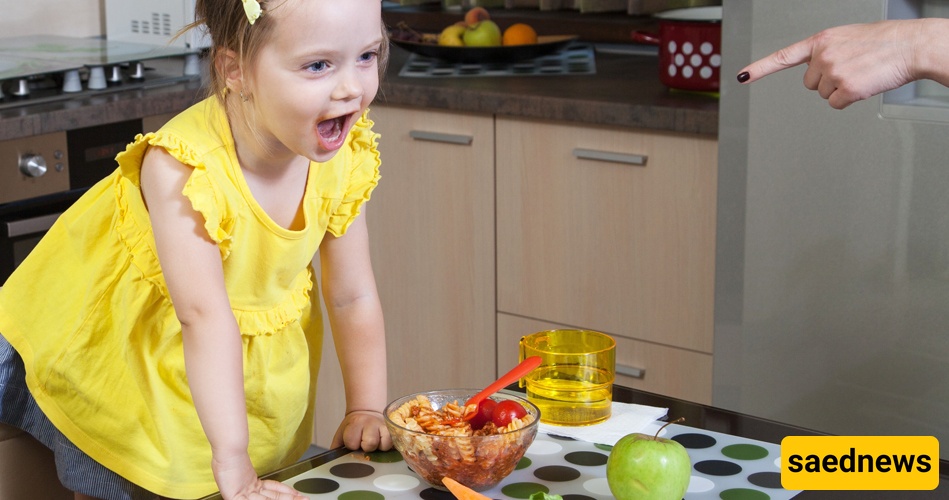
According to SAEDNEWS, children often have shorter attention spans and higher activity levels than adults, so sitting through an entire meal can sometimes feel difficult. If the meal lasts too long or the child is not particularly hungry, they may naturally become restless and look for something else to do.
Noise, television, toys, conversations, or frequent activity around the table can make it harder for a child to remain seated. Creating a quiet and predictable eating environment can help the child understand that mealtime is a specific part of the daily routine.
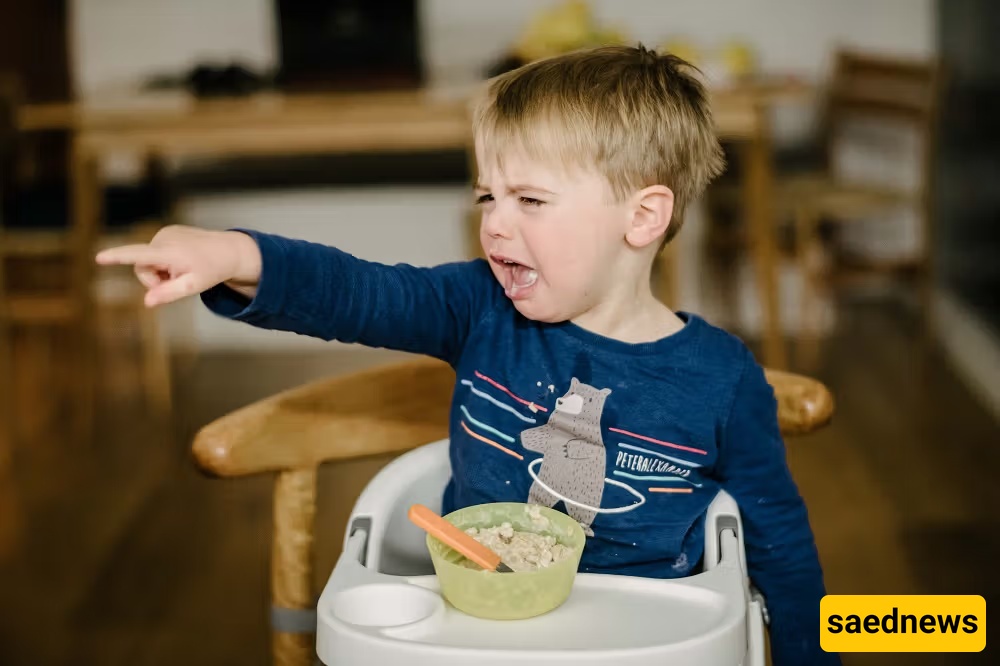
Some children simply need regular opportunities to move. Expecting them to remain completely still for a long period can be unrealistic. Allowing active play before meals and establishing a reasonable meal duration may make sitting at the table easier.
Repeatedly scolding or forcing a child to stay seated can create negative feelings toward mealtime. Instead, parents can calmly remind the child of the expectation and use simple, consistent rules. Praise for remaining seated and participating appropriately can also reinforce positive behavior.
A regular eating schedule can help children recognize when it is time to eat. Serving appropriately sized portions, keeping meals reasonably short, and involving the child in simple table routines can gradually improve their ability to remain seated. If getting up happens constantly alongside other concerning behaviors, discussing it with a pediatric professional may be helpful.