SAEDNEWS: Horyuji Temple is one of the oldest and most fascinating temples in Japan. Located in Asuka, Nara Prefecture, it was built by Prince Shotoku. In this section, you can discover more about the remarkable sights and historic highlights of this iconic temple.
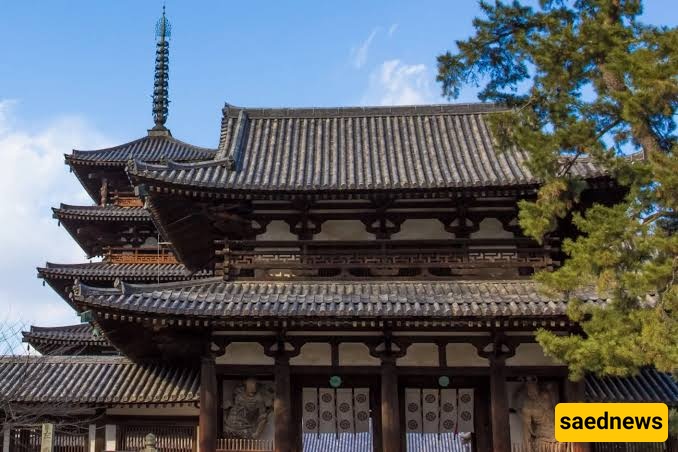
According to Saednews, Japan is a country filled with remarkable historical and cultural attractions. Due to its long and fascinating history, the country is home to numerous ancient structures. One of the most impressive examples is Horyu-ji Temple, a historic wooden complex renowned for its distinctive architectural features.
Horyu-ji is a Buddhist temple traditionally associated with Prince Shotoku and was established in 607 AD in the Nara region of Japan. Located in the former Asuka area of Nara Prefecture, the temple is admired for its exceptional architecture and cultural significance.
A visit to Horyu-ji provides an excellent opportunity to appreciate traditional Japanese architectural techniques and learn more about the country's Buddhist heritage. It is considered one of Japan's most important historical attractions.
Horyu-ji is a Buddhist temple where important religious ceremonies and events have been held throughout its long history. It is regarded as one of the oldest and most revered Buddhist temple complexes in Japan.
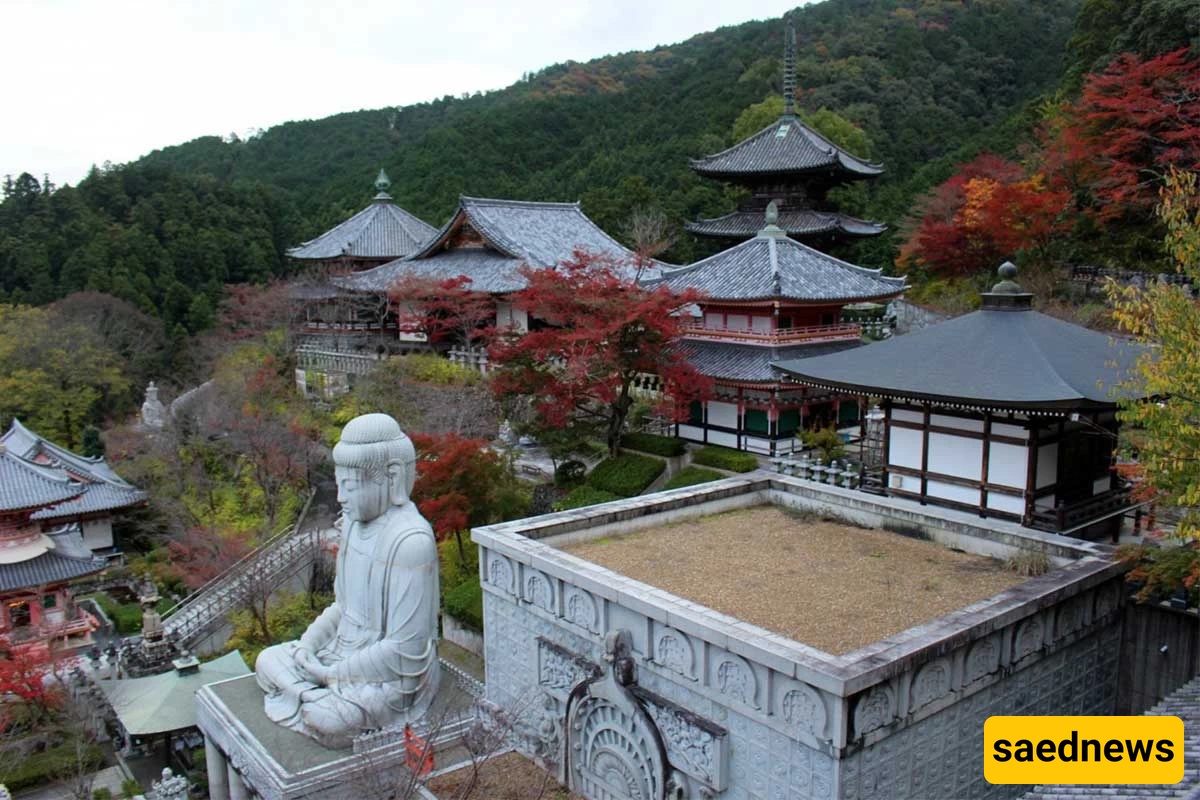
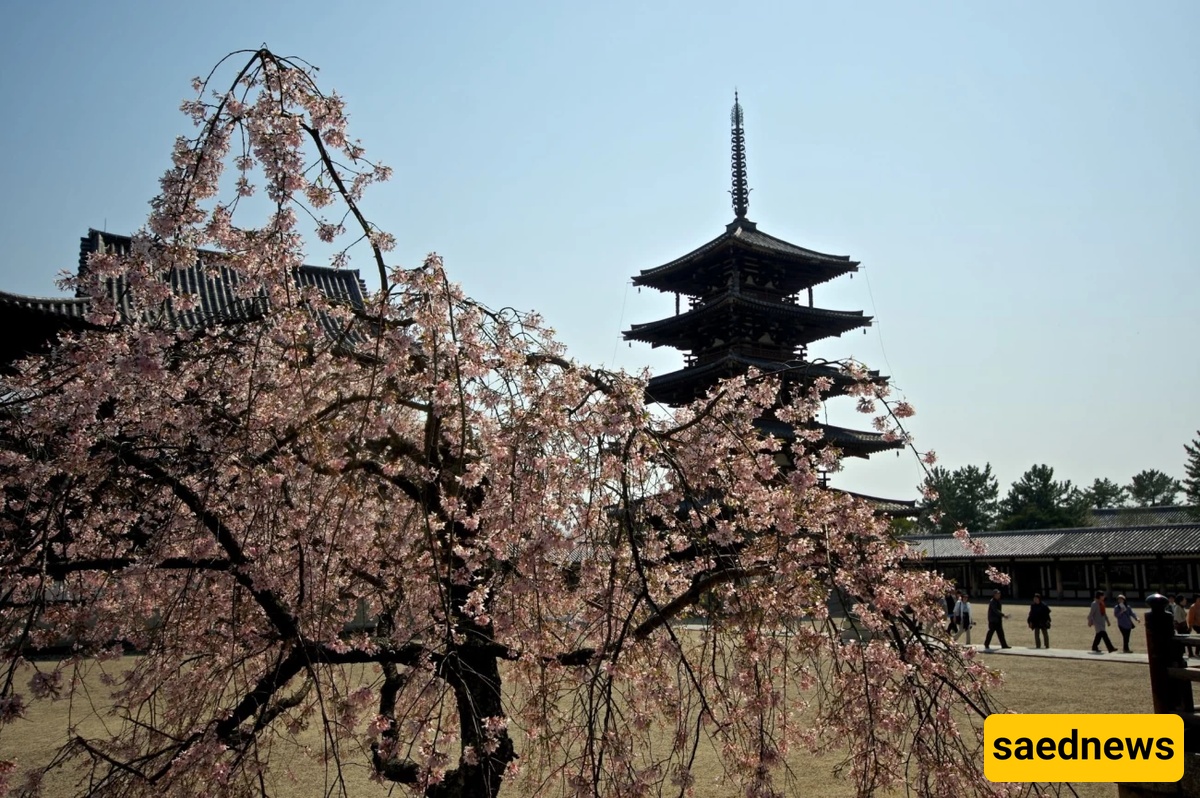
One of the most remarkable features of Horyu-ji is its pagoda, which is considered one of the oldest surviving wooden structures in the world. The combination of its ancient architecture, religious traditions, and cultural practices makes the temple particularly fascinating.
The temple dates back to the early seventh century, offering visitors a unique glimpse into the architectural and cultural heritage of ancient Japan.
The delicate wooden architecture found throughout the temple complex can be appreciated from many different perspectives. Intricate wooden details, traditional construction techniques, and the overall design demonstrate the remarkable craftsmanship of early Japanese builders.
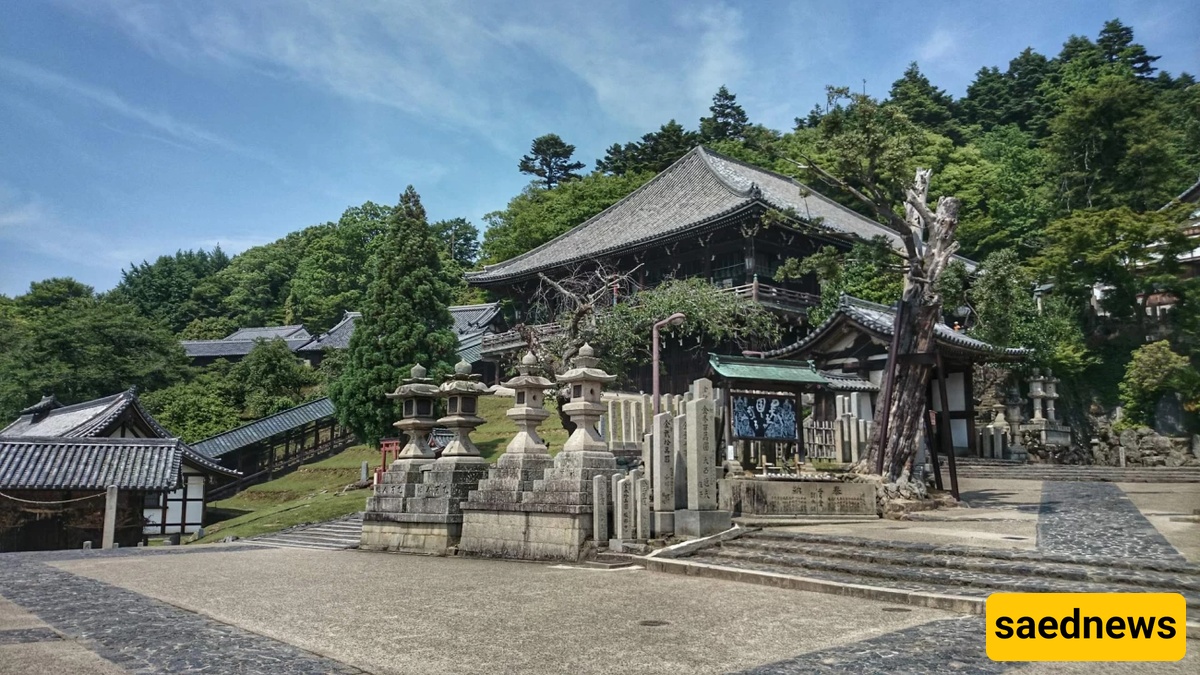
Horyu-ji is also recognized as a UNESCO World Heritage Site, reflecting its outstanding historical and cultural importance.
Visitors to this ancient temple can find a remarkable collection of Buddhist statues, architectural elements, religious objects, and other historical artworks. The temple complex is considered one of Japan's important repositories of cultural treasures and national heritage.
These collections make Horyu-ji especially significant for travelers interested in Japanese history, Buddhist art, and traditional architecture.
Japan is home to numerous magnificent temples, some of which are centuries or even more than a thousand years old. Many traditional temples share architectural characteristics, particularly the extensive use of wood and carefully designed wooden structures.
Other notable Japanese temples include Kinkaku-ji, also known as the Golden Pavilion, which is one of Kyoto's most famous attractions and is surrounded by beautiful scenery.
Daigo-ji Temple, Todai-ji, Ryoan-ji, Byodo-in, Yakushi-ji, and many other historic temples are also among Japan's most significant cultural and architectural landmarks.