SAEDNEWS: Some animals have developed remarkable adaptations that allow them to survive in extremely dry environments with very little access to water.
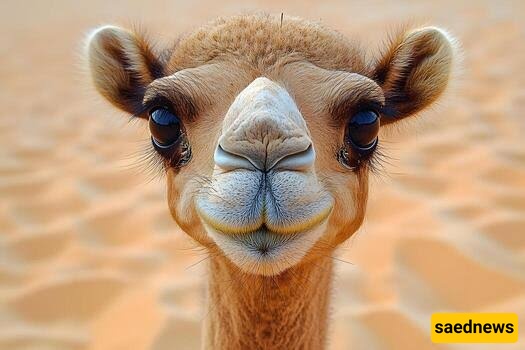
According to SAEDNEWS, many animals living in deserts and other arid regions have evolved special physical and behavioral adaptations that help them conserve water and survive for long periods without drinking. These adaptations allow them to handle harsh environments where rainfall is rare and temperatures can be extreme.
Animals that survive with limited water do not simply “go without” water; their bodies are designed to reduce water loss and use available moisture efficiently. Some obtain water from the food they eat, while others have highly efficient systems for storing or conserving fluids.
Examples of animals with impressive water-saving abilities include:
• Camels
Camels are among the best-known desert animals because they can travel for long periods in dry conditions. Their bodies are adapted to reduce water loss through features such as efficient temperature regulation and the ability to tolerate changes in body water levels. They can also obtain moisture from the plants they consume.
• Kangaroo Rats
Kangaroo rats live in desert areas and can survive without directly drinking water. They produce very concentrated urine and reduce moisture loss through their bodies. Most of their water comes from chemical processes inside their bodies when they digest dry seeds.
• Desert Tortoises
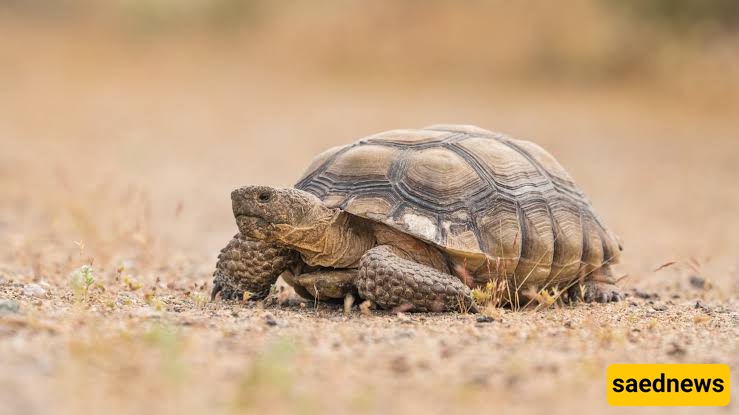
Desert tortoises can store water inside their bodies and may survive for long periods between drinking opportunities. They often avoid the hottest parts of the day by staying in shelters and reducing activity.
Several survival strategies help desert animals maintain their water balance:
Avoiding extreme heat
Many species are active during cooler periods, such as early morning or nighttime, to reduce sweating and water loss.
Reducing evaporation
Some animals have body structures that help limit moisture loss, including specialized skin, fur, or behaviors that protect them from dry air.
Getting moisture from food
Certain animals obtain enough water from seeds, plants, or prey instead of searching for drinking sources.
Storing water efficiently
Some species can keep water reserves in their bodies and use them slowly during dry periods.
The desert environment of Australia is home to animals with extraordinary water-saving abilities. The water-holding frog, for example, can survive long dry seasons by becoming inactive and forming a protective layer around its body. When rain returns, it becomes active again and resumes normal behavior.
The ability to survive with little water shows how animals have adapted to their surroundings over thousands of generations. These survival strategies help species live in ecosystems where water availability changes dramatically throughout the year.
Understanding these adaptations also provides scientists with valuable information about how living creatures respond to environmental challenges, especially as many regions around the world experience increasing pressure from drought and changing climates.