SAEDNEWS: Some animals can see in very low light because their eyes are adapted to capture and use tiny amounts of available light.
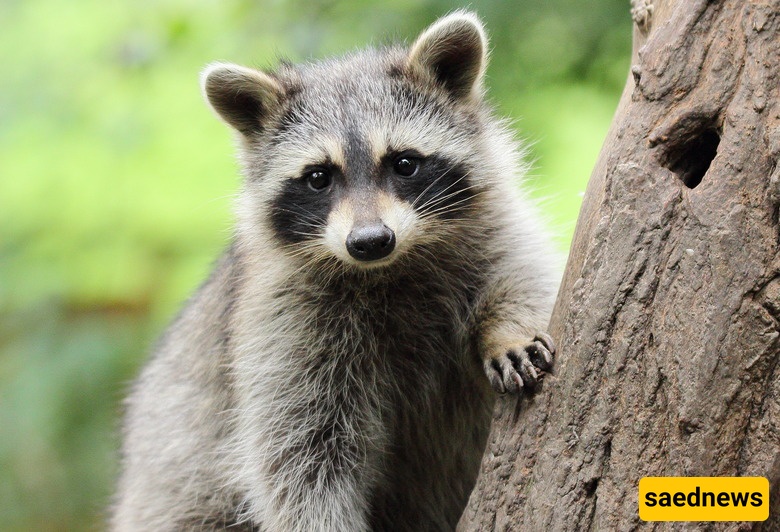
According to SAEDNEWS, animals do not all experience darkness in the same way. While humans need relatively bright conditions to see clearly, many nocturnal animals have eyes specialized for functioning when light levels are extremely low. Their ability often comes from a combination of larger pupils, highly sensitive light-detecting cells, and other anatomical adaptations.
One major difference is the balance between rods and cones in the retina. Rod cells are particularly sensitive to dim light and are important for detecting shapes and movement at night. Cones, by contrast, provide detailed and color vision but generally require more light.
Animals that are active at night often have a high proportion of rod cells. Their eyes may also have large pupils that allow more light to enter. In some species, the structure of the eye is especially effective at collecting available light from the environment.
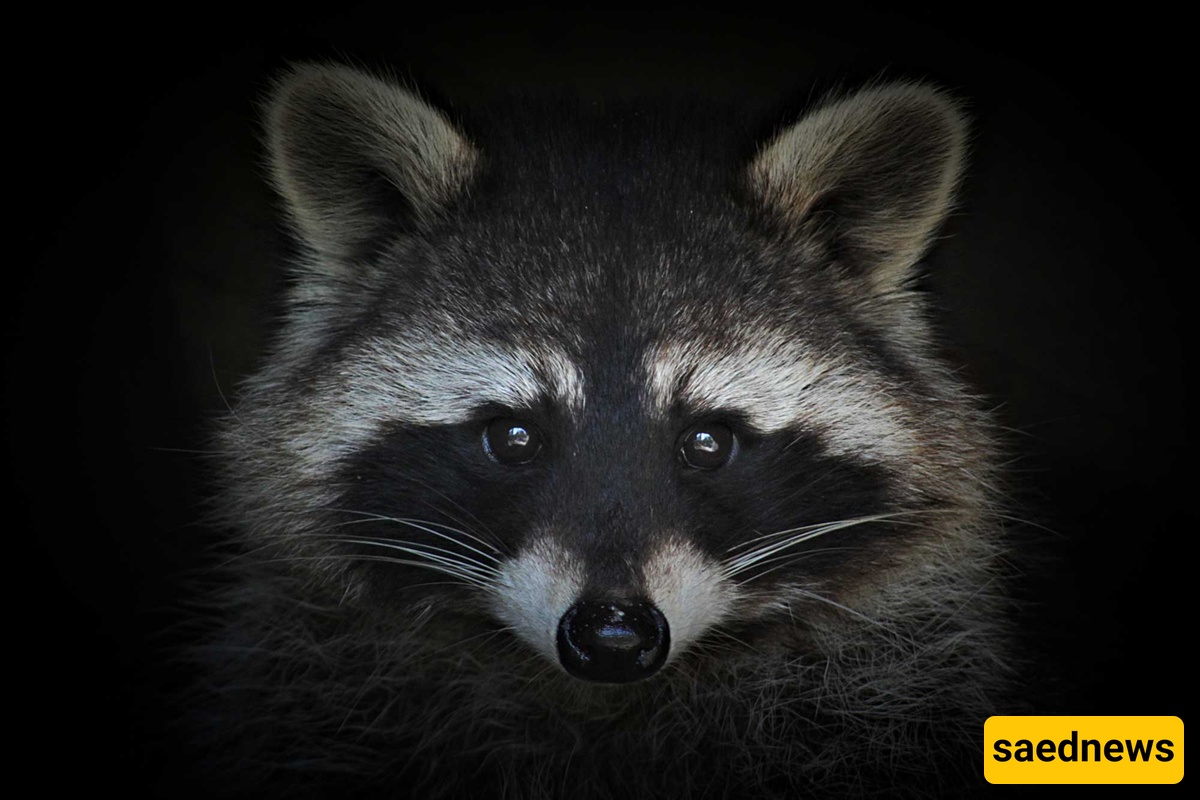
Some nocturnal mammals have a structure called the tapetum lucidum, a reflective layer located behind the retina. It can reflect incoming light back through the retina, giving light-sensitive cells another opportunity to detect it.
This adaptation helps animals make better use of limited light and is also responsible for the noticeable eye shine sometimes seen when a light is directed toward an animal at night.
Low-light vision varies considerably among species:
Cats: Their eyes are highly adapted to dim conditions and contain a tapetum lucidum.
Owls: Large eyes and specialized retinas help them detect prey in low-light environments.
Some nocturnal insects: Compound eyes can be adapted to collect and process very small amounts of light.
Deep-sea animals: Many species rely on extremely sensitive visual systems because sunlight is severely limited at depth.
Improved night vision usually comes with a trade-off. Because rod cells are more useful in dim conditions, animals that depend heavily on them may have less color discrimination at night than they do in daylight. Some species also combine vision with other senses, such as hearing or smell, to locate food and navigate when visual information is limited.
So, animals that appear to “see in the dark” are usually not seeing in complete darkness. Instead, their eyes are exceptionally efficient at detecting the small amounts of light that remain, allowing them to function in conditions that would be difficult for human vision.