SAEDNEWS: Complex emotions are not unique to humans. Elephants, dolphins, dogs, and many other animals have rich emotional lives, displaying empathy, grieving their losses, and offering comfort to one another. In this report, we explore the scientific evidence surrounding some of the most emotionally expressive animals in the world.
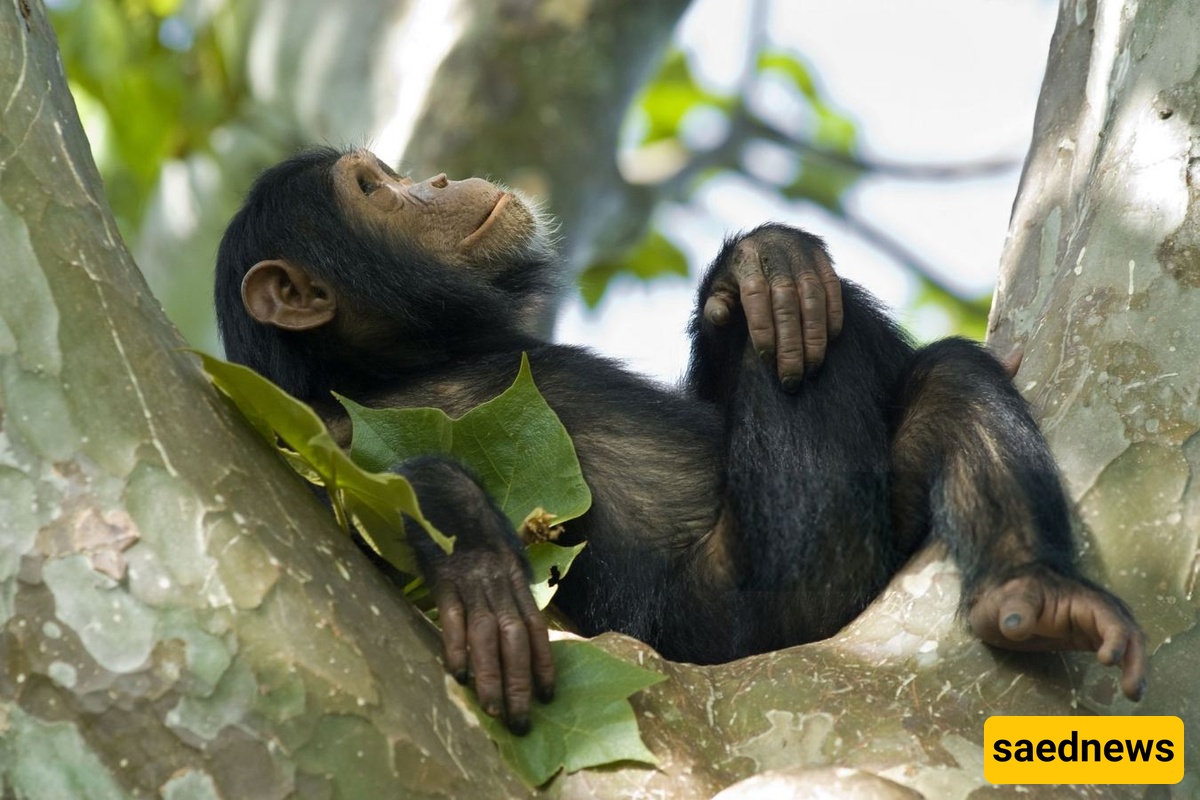
According to Saednews, For decades, complex emotions such as love, grief, empathy, and mourning were considered uniquely human traits. However, advances in animal behavior research and neuroscience have dramatically changed this view. Today, scientists know that many animals experience not only basic emotions such as fear and happiness, but also richer emotional states that may include empathy, consolation, grief, and even self-sacrifice.
Researchers have observed behaviors such as touching, embracing, responding to the loss of companions, and protecting vulnerable members of a group. These observations suggest that emotional life is far more widespread throughout the animal kingdom than previously believed. But which animals appear to be the most emotionally complex, and what scientific evidence supports these claims?
Elephants are widely regarded as some of the most emotionally complex animals on Earth. These gentle giants live in highly sophisticated social groups in which strong family bonds can last a lifetime.
Numerous observations have shown elephants displaying unusual behavior around deceased relatives. They may gently touch and smell bones or remains, remain beside a dead companion for extended periods, and repeatedly return to the location. Such behavior has been compared with mourning rituals in humans and suggests that elephants respond strongly to death and separation.
Their emotional abilities extend beyond mourning. Elephants have also been observed comforting distressed members of their group by touching them with their trunks and producing gentle vocalizations. Injured or elderly elephants may receive assistance from other members of the herd, while groups have been known to search for separated companions.
Elephants also demonstrate impressive social intelligence. They can distinguish between different human voices and recognize whether particular people represent potential threats. In sanctuaries, rescued elephants have sometimes developed strong bonds with their caregivers, further demonstrating their capacity for long-lasting social relationships.
Dolphins are famous for their intelligence, but their social and emotional abilities are equally remarkable. These marine mammals live in complex communities in which cooperation, communication, and long-term relationships play important roles.
Dolphins use distinctive signature whistles that function much like individual identifiers. They can remember the calls of familiar dolphins even after long periods of separation, demonstrating impressive social memory.
Their cooperative behavior also provides evidence of strong social bonds. Dolphins have been observed supporting injured or distressed members of their groups and assisting other animals in difficult situations. Such behavior may reflect emotional contagion or empathy, although scientists continue to debate exactly how closely these behaviors correspond to human empathy.
Dolphins can also experience behavioral changes following separation or loss. Mothers have been observed carrying or repeatedly supporting dead calves for extended periods. These observations provide compelling evidence that dolphins respond deeply to the loss of close companions, although interpreting such behavior in terms of specifically human emotions requires caution.
Dogs have earned their reputation as humanity's closest animal companions not only because of their practical usefulness, but also because of their remarkable social sensitivity.
Dogs can respond to human facial expressions, vocal tones, body language, and emotional states. Brain-imaging studies have found that positive social cues associated with familiar humans can activate reward-related areas in the canine brain, suggesting that dogs find their relationships with people intrinsically rewarding.
One of the clearest examples is their response to human distress. When their owners are upset or crying, many dogs approach them, stay close, make physical contact, or otherwise attempt to provide comfort. Research has also shown that dogs can be particularly responsive to human crying compared with more emotionally neutral sounds.
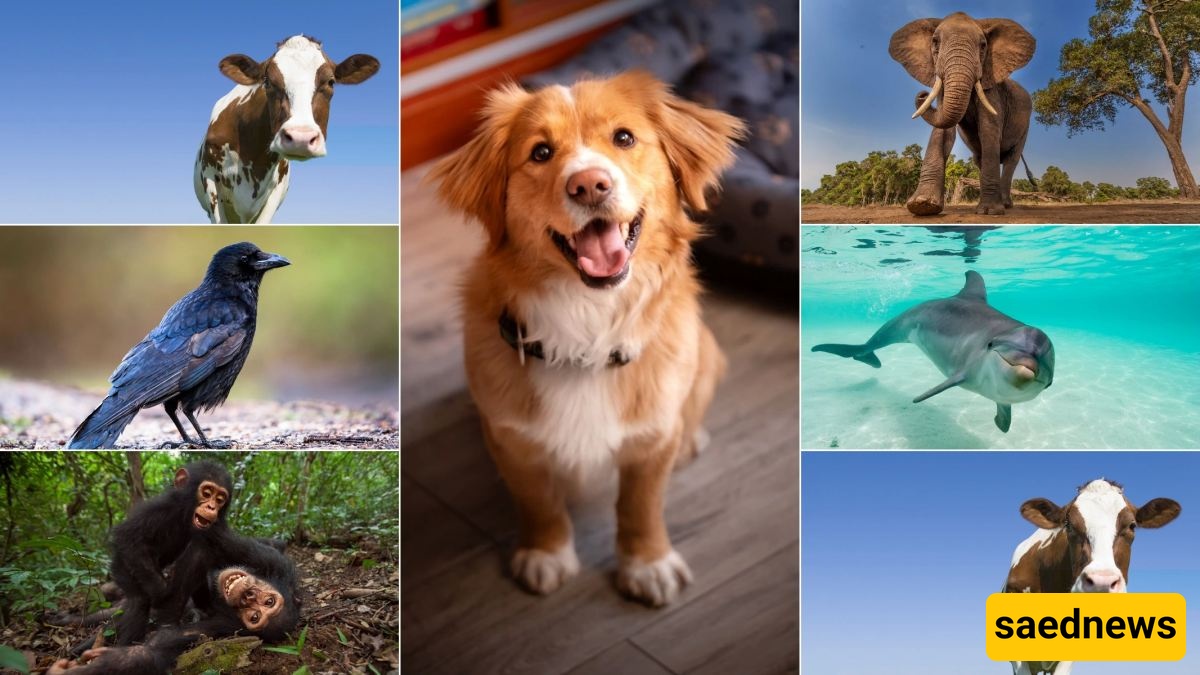
This sensitivity helps explain why dogs are widely used as assistance and therapy animals. Their ability to respond to human emotional states can be valuable for children, older adults, and people experiencing psychological distress.
Dogs also display behaviors that researchers have investigated in connection with emotions such as jealousy, attachment, and guilt. Although scientists caution that some behaviors traditionally interpreted as "guilt" may actually represent responses to human body language or punishment, there is little doubt that dogs possess sophisticated emotional and social abilities.
Chimpanzees are among our closest living genetic relatives and possess remarkably complex social lives. They form long-term friendships, compete for social status, reconcile after conflicts, and respond strongly to the death of companions.
Mothers have sometimes been observed carrying deceased infants for extended periods, grooming them and remaining close to their bodies. Such observations suggest a powerful attachment between mother and offspring and a significant behavioral response to loss.
One of the most striking behaviors seen in chimpanzees is consolation. After an aggressive encounter or stressful event, another chimpanzee may approach the distressed individual, embrace them, groom them, or remain physically close. This behavior, known as consolation, is considered an important form of social support.
Such observations indicate that chimpanzees are capable of recognizing and responding to the emotional states of others. Their complex relationships and strong social bonds make them one of the most compelling examples of advanced emotional behavior outside humans.
Crows and ravens may seem unlikely candidates for emotional sophistication, but these highly intelligent birds possess remarkable memories and complex social behaviors.
Crows can remember individual human faces and distinguish between people who have treated them positively or negatively. Their ability to retain such memories for long periods demonstrates sophisticated learning and social recognition.
Researchers have also observed unusual behavior around dead members of their species. American crows may gather around a dead crow, vocalize, approach the body, and repeatedly return to the location. Although researchers are cautious about labeling these gatherings as human-like funerals, the behavior clearly indicates that death can trigger significant social responses.
Crows also cooperate when members of their group are threatened. A crow attacked by a predator may attract the attention of other birds, which can then join together to drive the threat away or warn additional members of the group.
Their ability to remember individuals, cooperate socially, and respond differently to helpful and threatening individuals demonstrates an impressive level of cognitive and emotional sophistication.
Cows are often underestimated when it comes to emotional intelligence. Research, however, suggests that these social animals can form strong relationships and respond sensitively to the emotional states of others.
Cows develop preferences for particular companions and may become distressed when separated from familiar individuals. Mother cows also form powerful bonds with their calves. After separation, they may vocalize repeatedly and search for or respond to their offspring.
Physiological measures provide additional evidence that cows experience stress and emotional arousal. Changes in heart rate and stress hormones can occur in response to challenging environments and social situations.
These findings challenge the common assumption that farm animals lack complex emotional lives. While their emotions should not automatically be interpreted as identical to human feelings, cows clearly possess meaningful social and affective responses.
Horses have shared close relationships with humans for thousands of years, and modern research suggests that they are remarkably sensitive to human emotional signals.
Studies have found that horses can respond differently to positive and negative human facial expressions. When exposed to angry faces, for example, horses may show physiological signs of stress and alter the direction in which they position their heads. These responses suggest that they can recognize and react to emotionally significant human cues.
Horses also appear to have strong emotional memories. Negative experiences with particular people can influence their later behavior, while horses treated consistently with care and kindness can develop strong bonds with their handlers.
Their ability to detect human emotions, remember past experiences, and form long-term social relationships makes horses another striking example of emotional complexity in the animal kingdom.
The scientific picture of animal emotions has changed dramatically. Elephants, dolphins, dogs, chimpanzees, crows, cows, and horses all demonstrate behaviors suggesting sophisticated emotional and social lives.
Scientists remain careful about assuming that animals experience emotions in exactly the same way humans do. Nevertheless, evidence from behavior, neuroscience, physiology, and social interactions increasingly shows that emotions are not exclusively human.
Rather than asking whether animals have emotions at all, modern research is increasingly focused on understanding which emotions different species experience, how they experience them, and how those emotions shape their relationships and behavior.