SAEDNEWS: Some animals experience a version of the world that humans cannot see, using ultraviolet light to find food, communicate, avoid danger and survive in extreme environments.
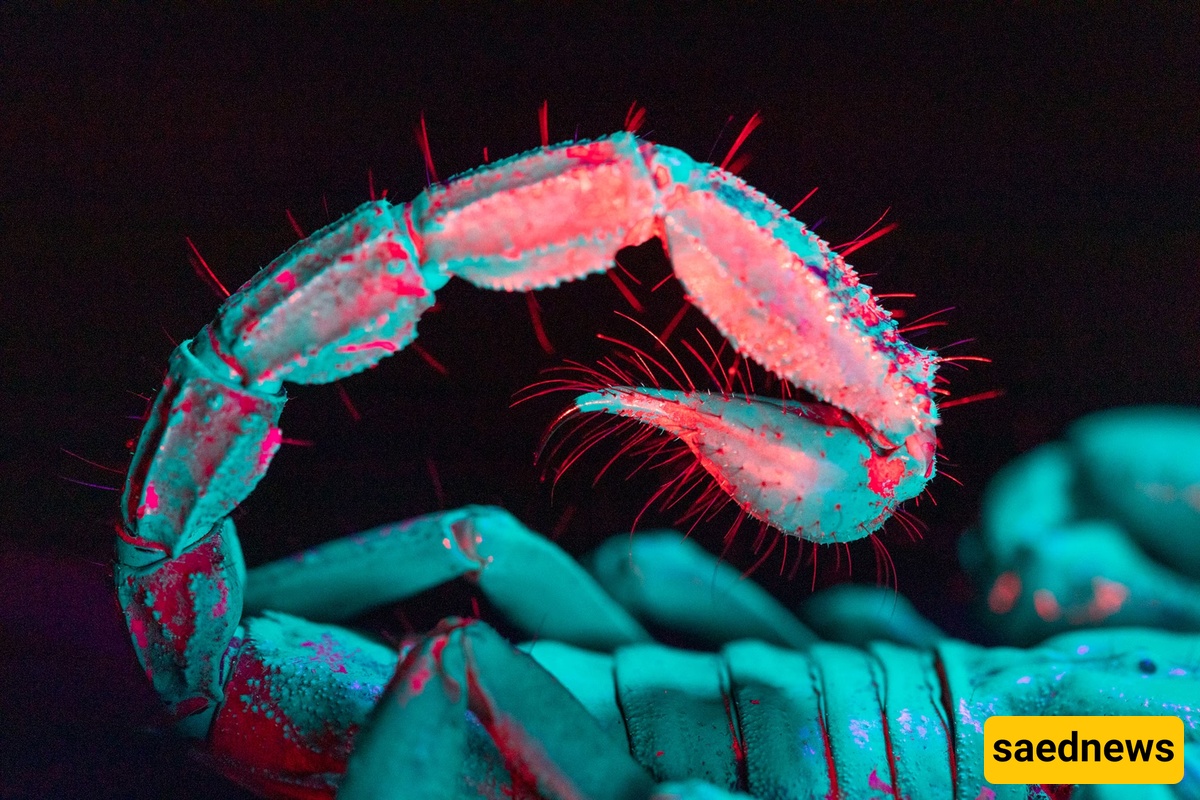
According to SaedNews, human eyes capture only a small part of the light that exists around us. Beyond the violet end of the visible spectrum lies ultraviolet (UV) light, a type of radiation that many animals can detect and use as an important source of information.
For humans, a flower may appear as a simple patch of color. For a bee, however, the same flower can contain ultraviolet patterns that act like a guide pointing toward nectar. These hidden markings, often called nectar guides, help pollinating insects locate food more efficiently. Research on bees and birds has shown that ultraviolet sensitivity plays an important role in animal communication, feeding and navigation.
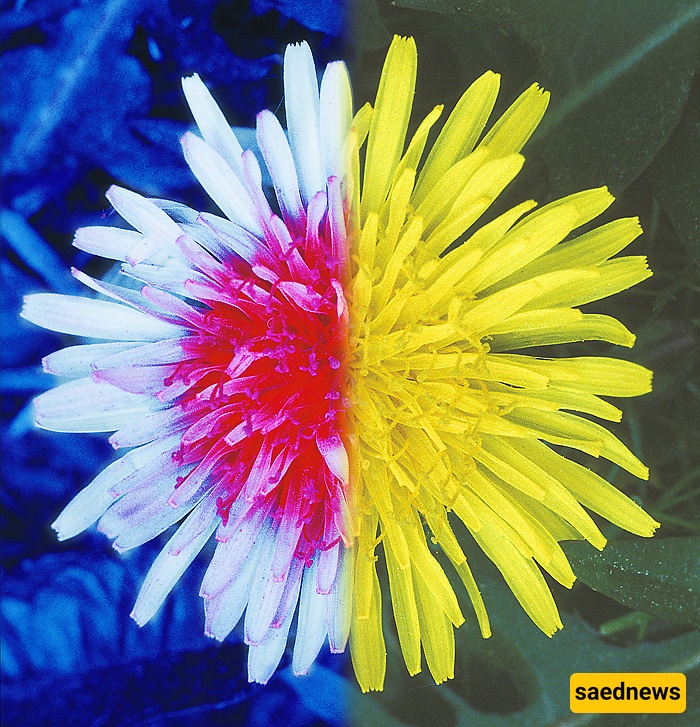
Bees are among the best-known animals with ultraviolet vision. Many flowers have evolved patterns that are invisible to humans but highly visible to pollinators. These patterns can guide bees toward the center of a flower, increasing the chances of successful pollination.
Ultraviolet vision is not simply an extra “color” for bees. It changes how they interpret their environment. A field that looks ordinary to humans may contain visual signals that help insects identify the best sources of food.
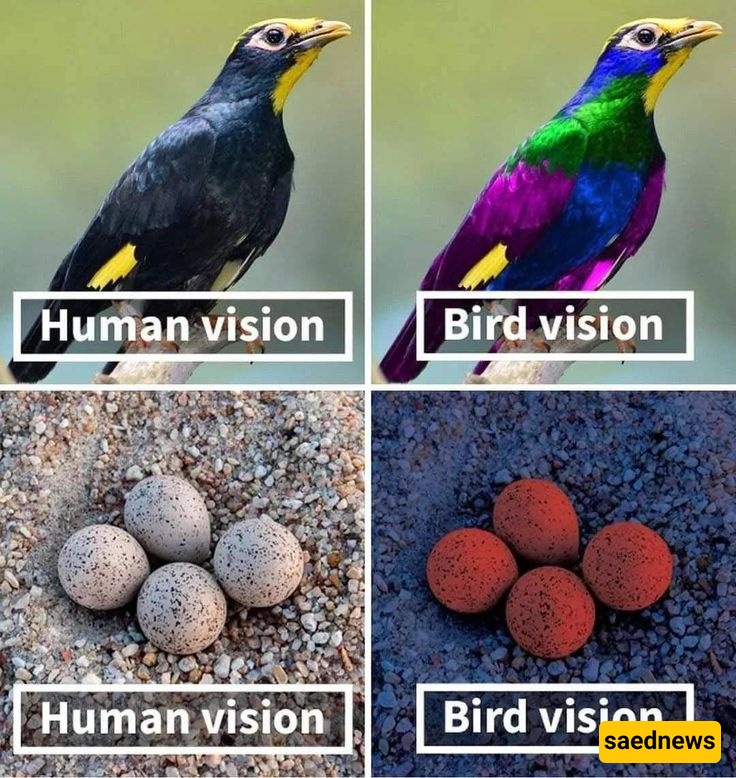
Many bird species can see ultraviolet wavelengths. This ability can reveal differences in feathers that humans cannot detect. Some birds have UV-reflective markings that may play a role in choosing mates, recognizing individuals or communicating with other birds.
Ultraviolet vision may also help birds find food. Fruits, seeds and prey can sometimes stand out differently under UV light, giving birds additional clues while searching for resources.
One of the most surprising examples is the Arctic reindeer. Unlike most mammals, reindeer can detect ultraviolet light, an ability linked to their harsh snowy environment.
In the Arctic winter, snow reflects large amounts of UV light. Objects that absorb UV, including some vegetation, animal markings and traces left by other animals, can appear with stronger contrast. Scientists have found that reindeer eyes allow UV wavelengths to reach the retina, helping them gather information in conditions where ordinary human vision would struggle.
This ability may help reindeer locate lichens, an important winter food source, and detect signs of predators or competitors.
Ultraviolet sensitivity appears across many groups of animals. Insects such as butterflies and many other arthropods use UV signals for communication and finding resources. Some fish, reptiles and birds also use UV-related visual information in their daily lives.
Some mammals, including certain rodents and other species, show evidence of UV sensitivity as well. Scientists continue studying how widespread this ability is and what role it plays in animal behavior.
Human eyes are designed to protect us from potentially damaging UV radiation. The cornea and lens block most ultraviolet wavelengths before they reach the retina. This protection means humans avoid UV-related eye damage, but it also prevents us from seeing the hidden patterns available to many other species.
The animal world is therefore filled with visual information that exists beyond human perception. A flower, a feather or a snowy landscape may contain an invisible layer of detail that only certain creatures can experience.
Ultraviolet vision shows that there is no single version of reality shared by all living things. Each species sees the environment through the senses that best match its own survival needs.