SAEDNEWS: Winter brings colder temperatures, shorter days, and changes in food availability. Many animals respond by reducing their movement and conserving energy. Lower activity helps them survive harsh conditions while using fewer energy reserves.
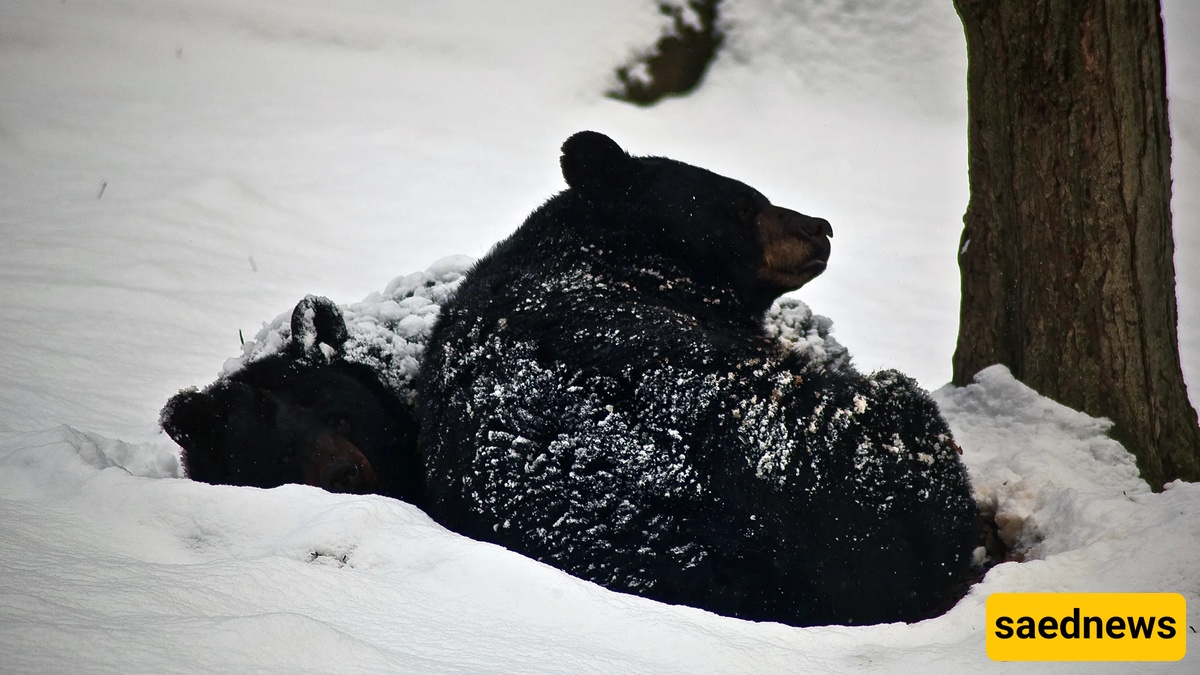
According to SAEDNEWS, some animals become noticeably less active during winter because cold weather increases the amount of energy needed to maintain their body temperature. Moving less allows them to conserve valuable energy, especially when food is harder to find.
Cold temperatures can make survival more demanding. Animals that normally spend much of their time searching for food or moving between locations may reduce these activities during winter. By resting more, they can preserve stored energy and reduce unnecessary heat loss.
Winter can also limit access to food. Plants may stop growing, insects can become scarce, and other food sources may be difficult to reach. Rather than spending large amounts of energy searching for limited resources, some animals reduce their activity and rely on food reserves accumulated earlier.
Different animals have developed different ways to cope with winter. Some enter a state of deep dormancy, while others experience periods of reduced activity. These adaptations slow body processes and help animals survive when environmental conditions are unfavorable.
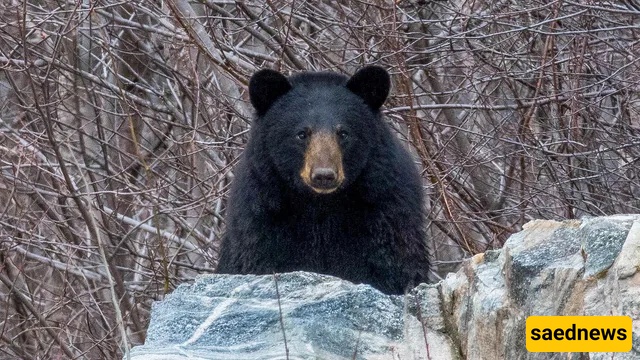
An animal's body temperature and metabolism can influence how much it moves during cold periods. Lower temperatures may slow biological processes, particularly in animals whose body temperature depends strongly on their surroundings. Reduced movement can therefore be a natural response to seasonal changes.
Moving less during winter is not simply a sign of weakness or inactivity. For many animals, it is an effective survival strategy. By conserving energy, limiting unnecessary movement, and using available resources carefully, they can endure winter and become more active when warmer conditions return.