SAEDNEWS: Sugar to Grams Conversion: Cup Measurements, Weight Chart, and Essential Measuring Tips
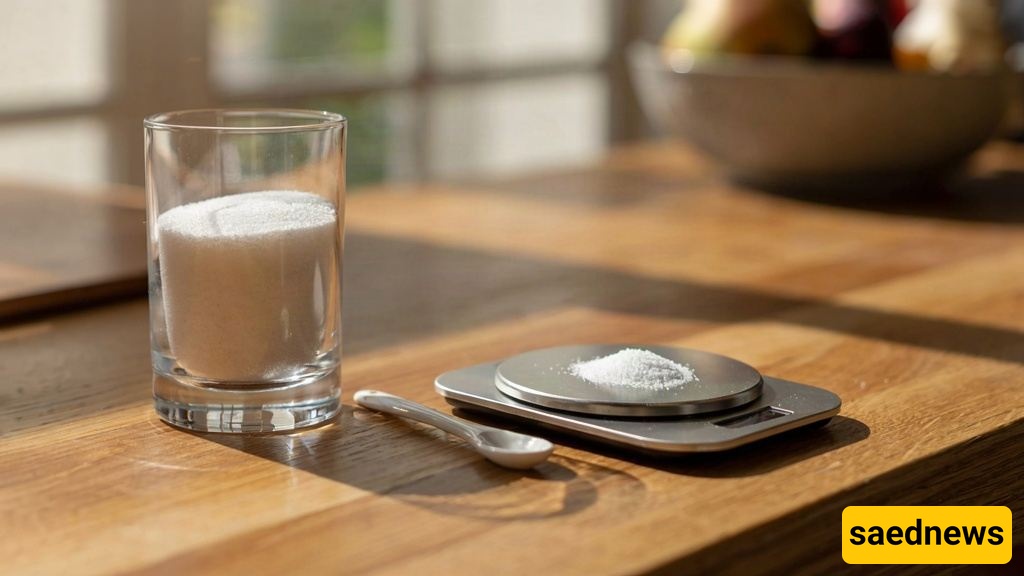
According to Saednews, Accurate ingredient measurement is one of the most important factors in successful cooking and baking. Many home recipes list ingredient quantities using measurements such as cups, measuring cups, tablespoons, or teaspoons.
This becomes particularly important because cup sizes are not always the same, and the type of ingredient also affects its weight. One of the most common questions in cooking is: How many grams are in a cup of sugar? The answer depends on the cup's capacity, the type of sugar, and the measuring method. However, a practical approximate measurement can be provided.
In this guide, we will answer the question "How many grams are in a cup of sugar?" and explore common measurement conversions, the correct way to measure sugar, and important tips for baking recipes.
Our goal is to help you measure sugar accurately, even without a kitchen scale, and avoid common baking mistakes.
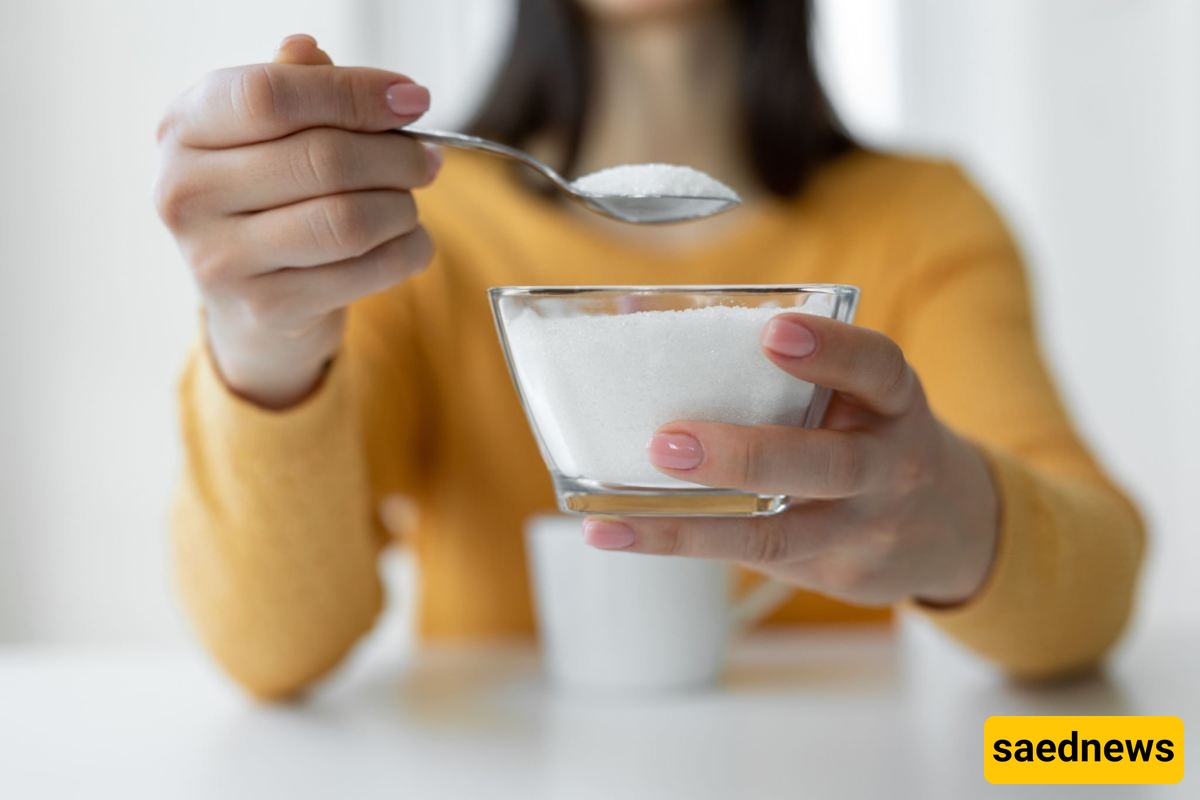
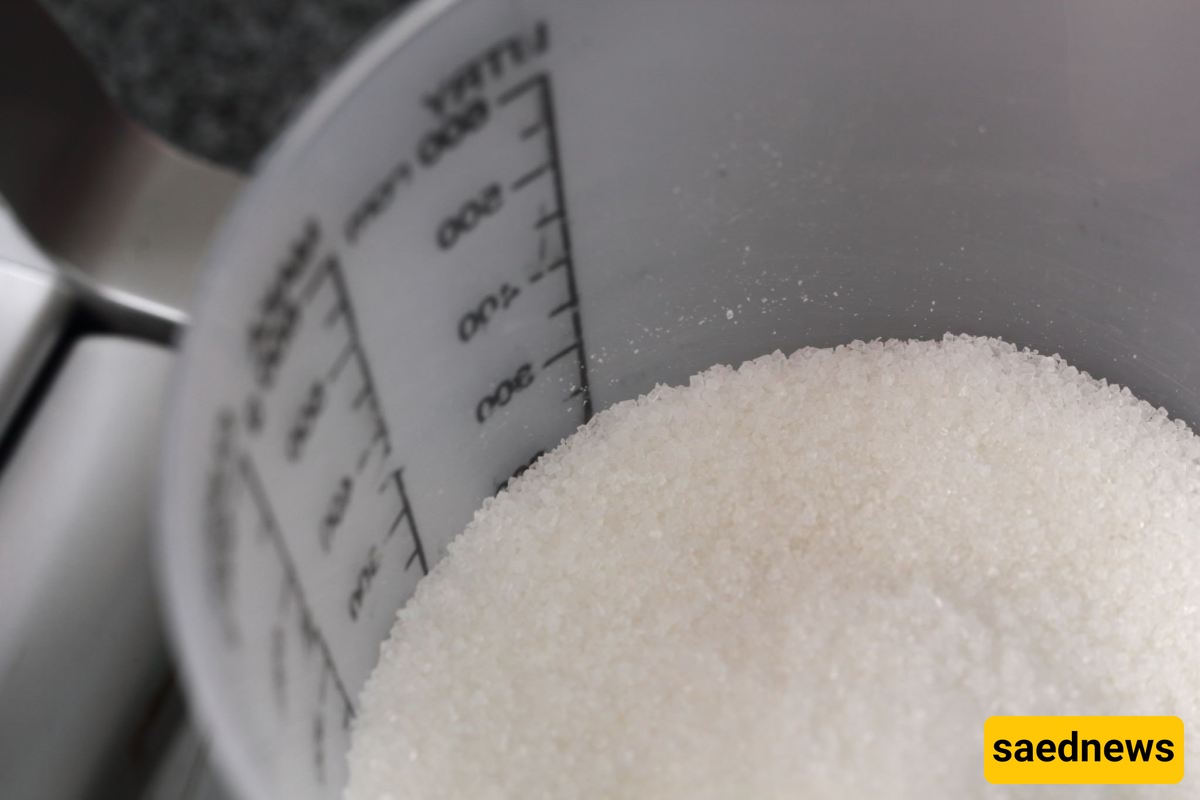
If you are using a standard 250 ml cup filled with granulated white sugar without packing it down, then leveled off, one cup weighs approximately 200–210 grams.
In many home cooking and baking recipes, this amount is rounded to approximately 200 grams.
If your cup has a capacity of 200 ml, one level cup of granulated white sugar weighs approximately 160–170 grams. Similarly, a standard 240 ml measuring cup holds approximately 195–200 grams of granulated white sugar.
The short answer is:
One standard 250 ml cup of granulated white sugar weighs approximately 200 grams.
This measurement applies to granulated white sugar measured without packing. Powdered sugar, brown sugar, and superfine sugar may have different weights.
Although the question "How many grams are in a cup of sugar?" sounds simple, several factors can affect the weight.
The first factor is cup capacity. Household cups may hold 200, 240, or 250 milliliters.
The second factor is the type of sugar. Granulated white sugar, powdered sugar, brown sugar, and superfine sugar have different densities.
The third factor is the measuring technique. Sugar poured loosely into a cup and leveled off weighs less than sugar packed firmly into the same cup.
Humidity and moisture content can also slightly affect sugar weight. Brown sugar, because of its higher moisture content and sticky texture, generally weighs more than granulated white sugar in the same volume.
Powdered sugar is lighter because its fine particles leave more air pockets between them. For this reason, professional bakers recommend using a digital kitchen scale when precise measurements are essential.
The following table provides approximate weights for different types of sugar based on cup capacity. These measurements assume the sugar is leveled off and not compressed. Actual weights may vary slightly depending on the brand, moisture content, and measuring technique.
Type of Sugar | 200 ml Cup | 250 ml Cup | 240 ml Measuring Cup |
|---|---|---|---|
Granulated white sugar | 160–170 g | 200–210 g | 195–200 g |
Superfine or caster sugar | 160–170 g | 200–210 g | 195–200 g |
Unsifted powdered sugar | 100–110 g | 120–130 g | About 120 g |
Packed brown sugar | 170–180 g | 210–220 g | About 220 g |
According to this chart, if your recipe calls for one 250 ml cup of sugar, you can use approximately 200 grams of granulated white sugar.
If the recipe calls for powdered sugar, the amount will be considerably lighter. Therefore, you should not assume that one cup of powdered sugar weighs the same as one cup of granulated sugar.
To get accurate results when measuring sugar by volume, it is important to follow a consistent method.
Place your measuring cup on a flat surface.
Use a spoon to transfer sugar into the cup. This prevents accidental compression.
Fill the cup without pressing down on the sugar.
Use the back of a knife or another straight edge to level the sugar with the rim of the cup.
Avoid pressing the sugar down with a spoon or tapping the cup against the counter. These actions can compact the sugar and increase its weight.
For highly precise recipes, such as macarons, fondant cakes, or delicate pastries, using a digital kitchen scale is recommended. A scale minimizes measurement errors and helps ensure consistent baking results.
For everyday home recipes, however, the level-cup method is generally accurate enough.
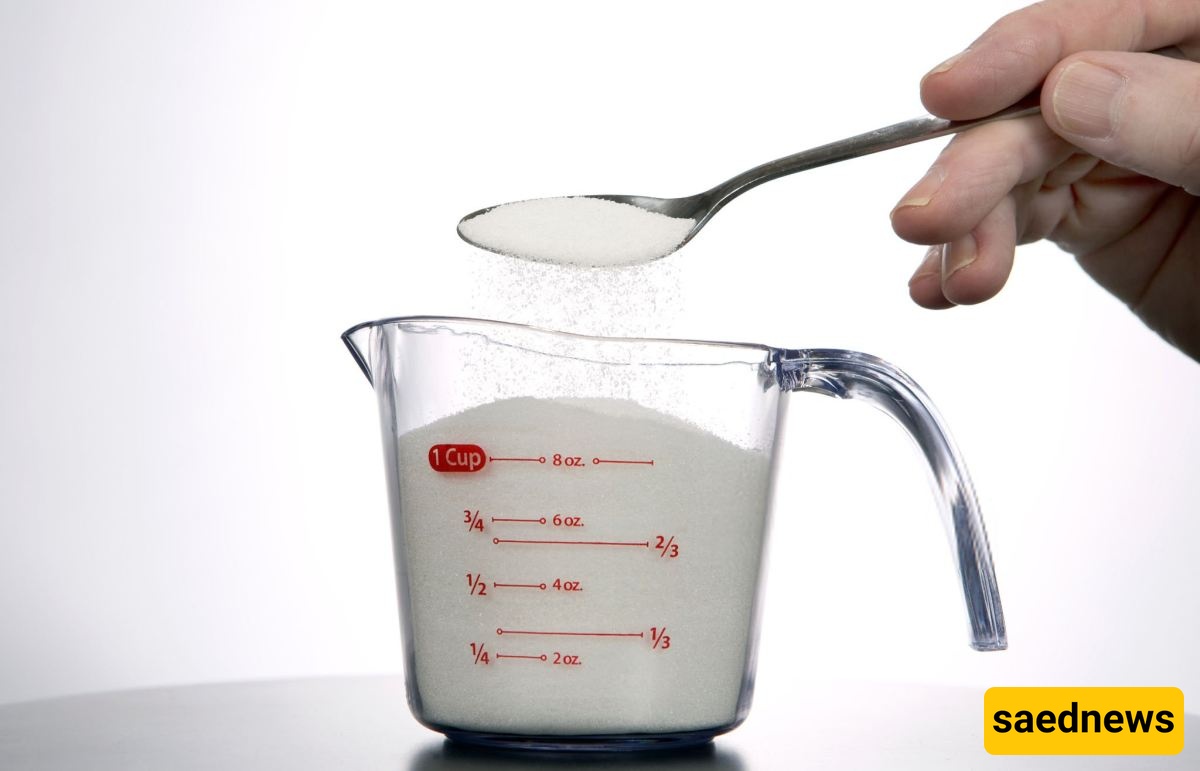
Sometimes a recipe calls for less than a full cup of sugar. In these situations, simple fractions make measuring easier.
If one 250 ml cup of granulated white sugar weighs approximately 200 grams:
Half a cup weighs approximately 100 grams.
One-quarter cup weighs approximately 50 grams.
Three-quarters of a cup weighs approximately 150 grams.
One-third of a cup weighs approximately 65–70 grams.
When measuring with spoons, one level tablespoon of granulated white sugar weighs approximately 12–13 grams, while one level teaspoon weighs approximately 4 grams.
These are approximate values intended for everyday cooking. Powdered sugar weighs less per tablespoon because its finer particles leave more air space.
Assuming one 250 ml cup of granulated white sugar weighs approximately 200–210 grams, the following conversions can be useful:
Cup Measurement | Approximate Weight |
|---|---|
1 full cup | 200–210 g |
3/4 cup | 150–155 g |
2/3 cup | 135–140 g |
1/2 cup | 100 g |
1/3 cup | 65–70 g |
1/4 cup | 50 g |
Spoon measurements:
1 level tablespoon of granulated white sugar: approximately 12–13 grams.
1 level teaspoon of granulated white sugar: approximately 4 grams.
1 tablespoon of powdered sugar: approximately 7–8 grams.
1 tablespoon of packed brown sugar: approximately 13–14 grams.
These measurements are sufficiently accurate for most everyday home recipes. For delicate baked goods, a digital kitchen scale is the better choice.
If your cup is not 250 ml, you can use the following approximate formula to calculate the weight of granulated white sugar.
Weight of granulated white sugar (grams) ≈ Cup volume (ml) × 0.8
For example:
200 ml cup: 200 × 0.8 ≈ 160 grams.
240 ml cup: 240 × 0.8 ≈ 192 grams (approximately 195–200 grams in practical measurements).
250 ml cup: 250 × 0.8 ≈ 200 grams.
300 ml cup: 300 × 0.8 ≈ 240 grams.
Keep in mind that this formula applies to loosely measured granulated white sugar. Powdered sugar is lighter, while packed brown sugar is heavier.
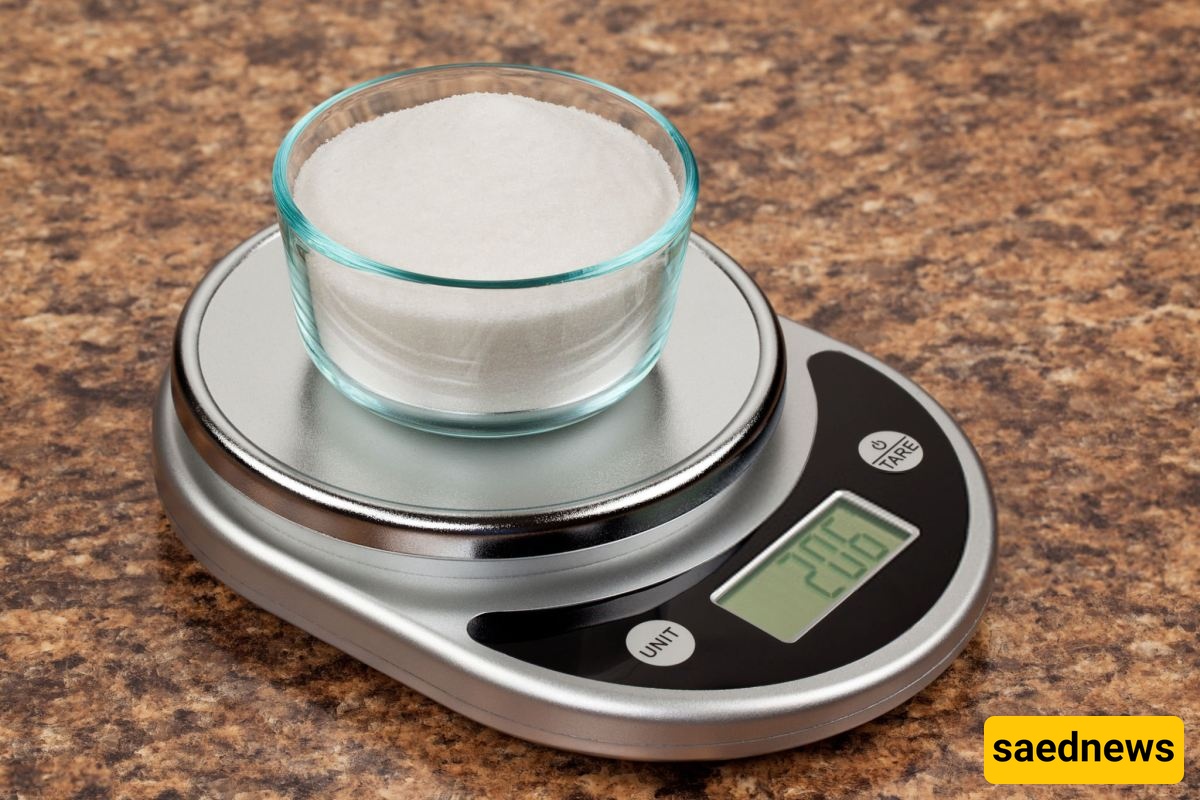
Granulated White Sugar: This is the most commonly used sugar in cooking and baking. One 250 ml cup weighs approximately 200–210 grams.
Superfine or Caster Sugar: Its weight is generally similar to granulated white sugar. However, its smaller crystals may allow it to settle more easily. One 250 ml cup weighs approximately 200–210 grams.
Powdered Sugar: Because of its very fine particles and the air between them, powdered sugar is considerably lighter. One 250 ml cup of unsifted powdered sugar weighs approximately 120–130 grams, while sifted powdered sugar weighs approximately 100–110 grams. Therefore, never assume that one cup of powdered sugar equals 200 grams of granulated sugar.
Brown Sugar: When firmly packed into a measuring cup, one 250 ml cup weighs approximately 210–220 grams. If loosely spooned into the cup and leveled, it will weigh slightly less.
For most home baking recipes, one standard 250 ml cup of granulated white sugar is approximately 200 grams. However, the exact weight depends on the type of sugar, cup size, and measuring technique.
If you want reliable results, use a digital kitchen scale whenever possible. Otherwise, choose a standard measuring cup, fill it without compressing the sugar, and level the surface before using it in your recipe.