SAEDNEWS: Strategic lighting, layout, colors, and carefully arranged displays can create the impression of a larger, more spacious store.
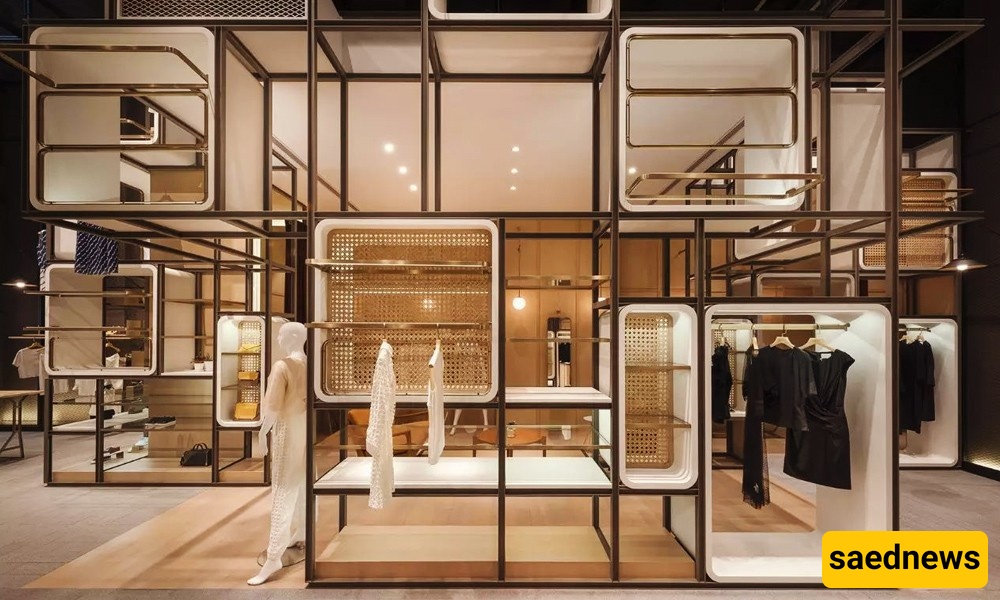
According to SAEDNEWS, a store’s perceived size depends on more than its actual floor area. The way products are displayed, aisles are arranged, and walls and ceilings are designed can significantly influence how spacious a shop feels. Even a relatively small store can appear larger when its interior uses thoughtful visual techniques.
Lighting plays a major role in shaping the appearance of an interior. A well-lit store generally feels more open than a dark or poorly illuminated one. Natural light, when available, can make the space feel more welcoming, while evenly distributed artificial lighting helps reduce dark corners and visual barriers.
Bright surfaces also reflect light and contribute to a more open appearance. However, excessive brightness or harsh contrasts may make the space uncomfortable, so balanced lighting is essential.
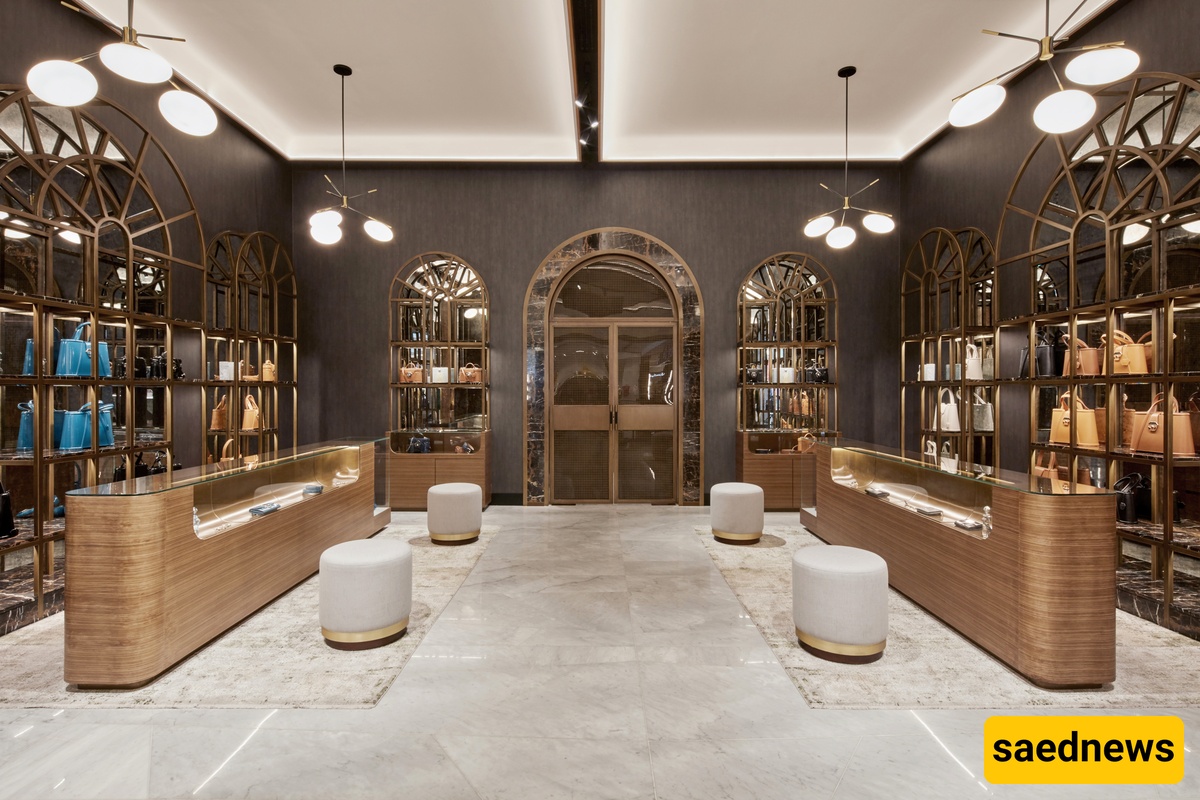
The colors used inside a store can influence how large the space appears. Light shades, such as white, cream, and soft gray, reflect more light and often create an airy atmosphere. They can make walls seem less visually imposing and help the interior feel more spacious.
A lighter ceiling may also create the impression of greater height, particularly when combined with suitable lighting. Darker colors are not necessarily unsuitable, but using them across a small interior can make the space feel more enclosed.
The arrangement of aisles strongly affects how customers perceive the size of a store. Narrow, crowded walkways can make even a large shop feel cramped, while open and clearly defined paths create a stronger sense of space.
Retailers can improve the visual openness of a store by:
Keeping main walkways free of unnecessary obstacles
Avoiding excessive product displays near entrances
Leaving enough space between important display areas
Organizing shelves to create clear lines of sight
When customers can see farther into the store, the interior may appear deeper and more expansive.
Mirrors can create the illusion of additional space by reflecting light and parts of the interior. When placed carefully, they may make a store seem wider or deeper than it actually is.
However, mirrors work best when they reflect attractive, uncluttered areas. If they reflect crowded shelves or confusing displays, they may increase the feeling of visual disorder rather than improve the atmosphere.
A store filled with too many products, signs, and promotional materials can appear smaller because customers have more visual information to process. Organized displays, on the other hand, create a cleaner and more spacious impression.
Grouping similar products together, maintaining consistent shelf arrangements, and avoiding unnecessary clutter can make the interior easier to navigate. A well-organized store does not necessarily contain fewer products; it simply presents them more effectively.
A store’s perceived size is shaped by the relationship between its physical dimensions and its visual design. Lighting, color, aisle width, mirrors, and product organization can work together to create a more open environment. Although these techniques cannot increase the actual floor area, they can improve the shopping experience and make a smaller store feel more comfortable and spacious.