SAEDNEWS: Not every grocery item needs to be refrigerated immediately after shopping. Some foods can benefit from resting at room temperature, while others should be prepared, cooled, or properly packaged before being stored. Knowing the right storage method can help preserve freshness, texture, and quality while keeping the refrigerator organized.
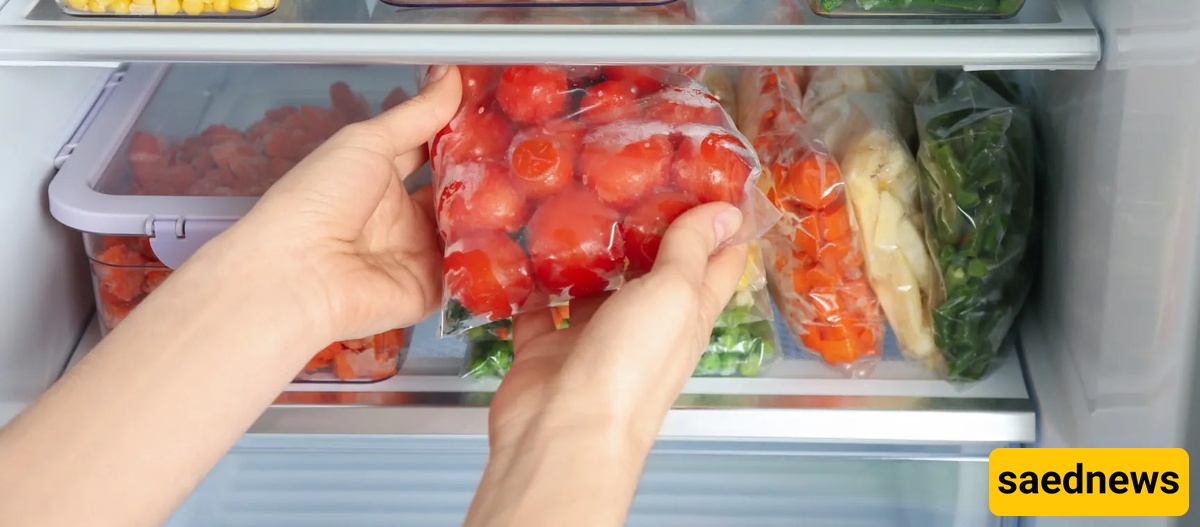
According to SAEDNEWS, putting every newly purchased food directly into the refrigerator is not always the best approach. Certain fruits and vegetables are better kept at room temperature until they reach the desired ripeness. Refrigerating them too early can affect their texture, flavor, or natural ripening process.
Some fruits are commonly purchased while they are still firm or unripe. Items such as bananas, peaches, pears, and avocados can usually remain at room temperature while they ripen. Once they become sufficiently ripe, they can be moved to the refrigerator if longer storage is needed.
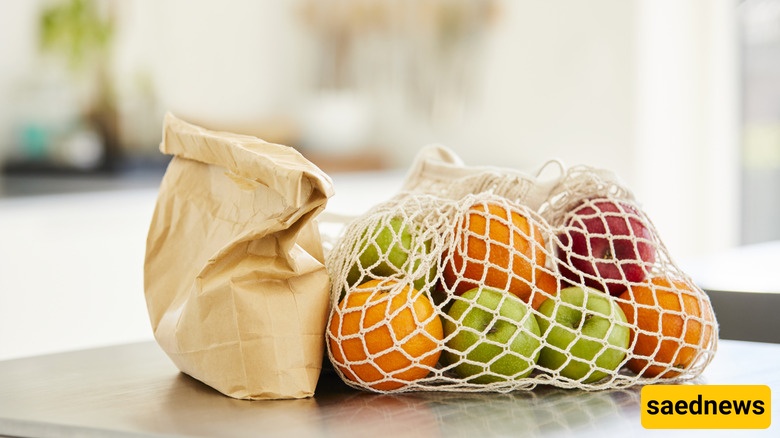
Certain vegetables do not need immediate refrigeration. Potatoes, onions, garlic, and similar produce are generally better stored in a cool, dry, and well-ventilated place. Keeping them in unsuitable refrigerator conditions can encourage moisture buildup and may affect their quality.
Freshly prepared foods that are still hot should not simply be placed in a crowded refrigerator. Allowing large amounts of hot food to cool appropriately before refrigeration can help prevent the refrigerator temperature from rising. Once cooled sufficiently, foods should be transferred into suitable covered containers and refrigerated promptly.
Food packaging should also be inspected before items are placed in the refrigerator. Damaged packages, leaking containers, excess moisture, or spoiled produce should be handled separately. Organizing groceries according to their storage requirements makes it easier to maintain freshness and avoid unnecessary food waste.