SAEDNEWS: Children may hear what adults say but fail to respond because they are distracted, deeply focused on an activity, tired, or still developing their ability to follow instructions. Understanding the reason behind this behavior can help parents communicate more effectively and encourage cooperation without unnecessary conflict.
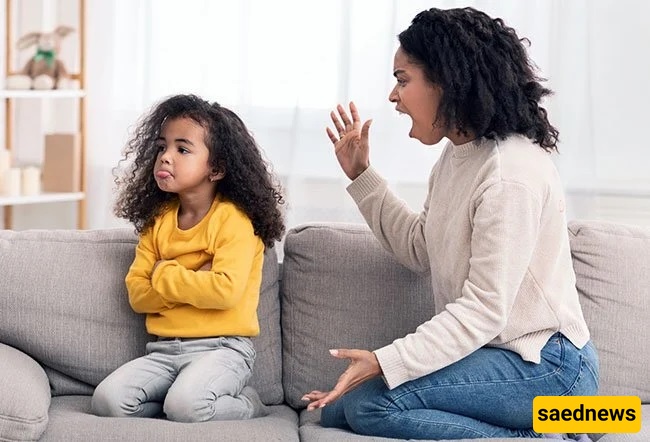
According to SAEDNEWS, hearing an instruction does not always mean a child is ready to act on it. Children can become absorbed in play, television, schoolwork, or their own thoughts and may not fully process what an adult has said. Younger children, in particular, are still developing attention, memory, and the ability to shift quickly from one activity to another.
A child may appear to ignore a request simply because their attention is somewhere else. Calling the child’s name, making eye contact, and giving the instruction when they are paying attention can make communication easier. Short and clear sentences are often more effective than giving several instructions at once.
Children sometimes understand individual words but struggle to remember a sequence of tasks. For example, asking them to put away several things, wash their hands, and prepare for another activity may be difficult to manage at once. Breaking the request into smaller steps can help the child understand what is expected.
Moving from a preferred activity to another task can be challenging. A child may hear a parent asking them to stop playing but need a little time to shift their attention. Giving a brief warning before a transition, such as saying that playtime will end soon, can make the change easier.
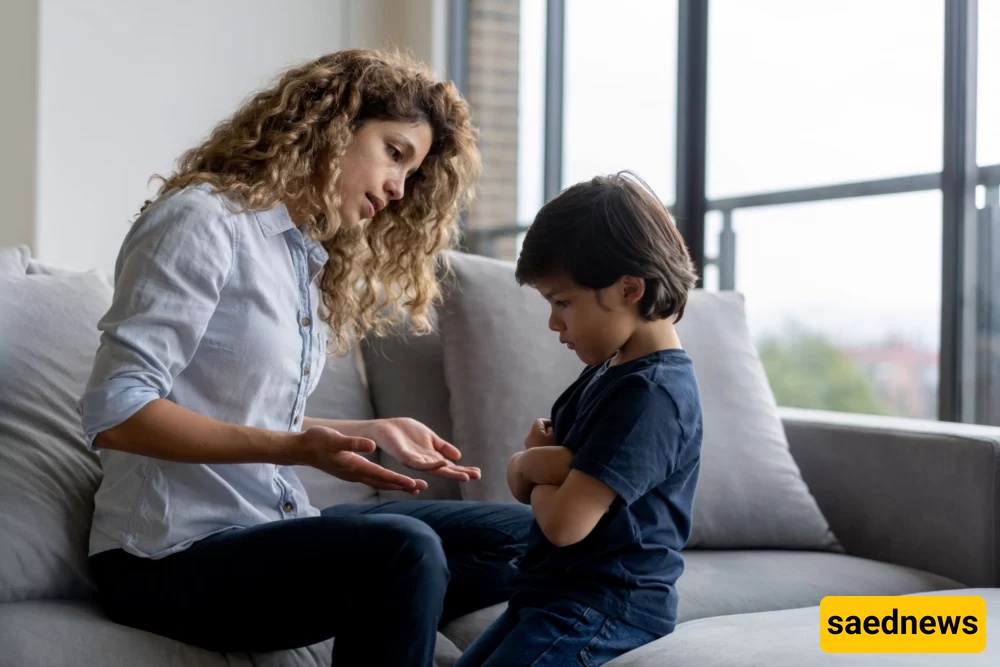
Repeatedly shouting the same instruction may not improve cooperation. A calm tone, clear expectations, and consistent routines can help children learn what is expected of them. Positive feedback when a child follows an instruction can also encourage them to respond more willingly in the future.
Occasional failure to follow instructions is a normal part of childhood, but frequent difficulties may require closer attention. Parents can observe when the behavior happens, whether the child understands the instruction, and whether tiredness, distractions, or changes in routine are involved. Patience and clear communication can help children gradually develop better listening and response skills.