SAEDNEWS: Some children develop a strong attachment to a simple object such as a toy, blanket, or small personal item. Such objects can provide comfort, familiarity, and a sense of security, especially during stressful situations or changes in daily routines.
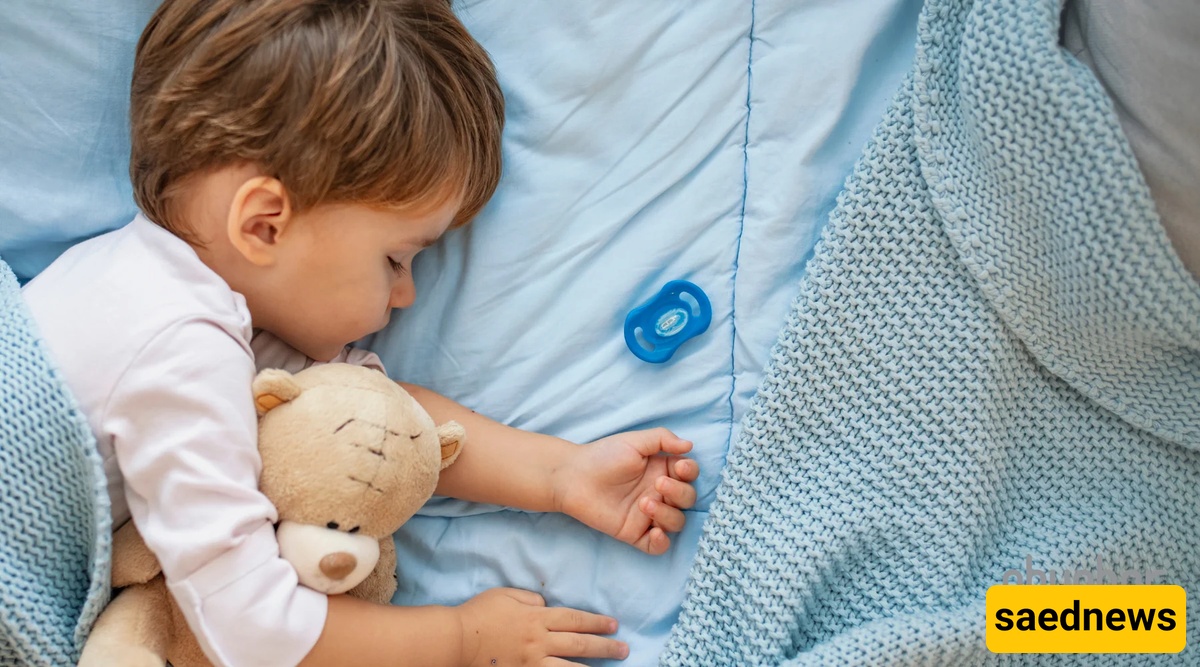
According to SAEDNEWS, children may become attached to familiar objects because these items create a feeling of safety. Holding or carrying a favorite object can help a child feel calmer when facing unfamiliar places, new people, bedtime, or changes in routine. The object becomes associated with pleasant and reassuring experiences.
A simple object can also help children manage difficult emotions. When a child feels tired, worried, lonely, or overwhelmed, touching or holding a familiar item may provide emotional relief. Such attachment is often more noticeable during periods of change, such as starting school, moving to a new home, or welcoming a new family member.
Children often develop routines around objects they frequently use. A particular toy or personal item may become part of bedtime, travel, or playtime. Repeated positive experiences strengthen the child's emotional connection to it. The attachment does not necessarily mean that something is wrong; in many cases, it is a normal part of emotional development.
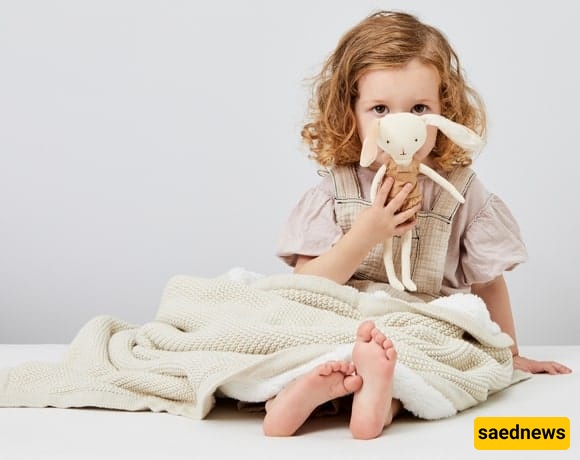
Parents can respond calmly rather than suddenly taking the object away. Setting gentle boundaries can help when the item interferes with school, sleep, or daily activities. Encouraging the child to keep it in a special place at certain times can gradually build flexibility while still respecting the child's need for comfort.
Strong attachment usually becomes less intense as children develop other ways to feel secure. However, parents may want to pay closer attention if a child becomes extremely distressed without the object, refuses normal activities, or shows significant difficulty adapting to everyday situations. Understanding the reason behind the attachment can help families respond with patience and support.