SAEDNEWS: Some children are more sensitive to sounds and environments due to temperament, age, tiredness, stress, or sensory processing. A calm and supportive setting can help them feel more comfortable.
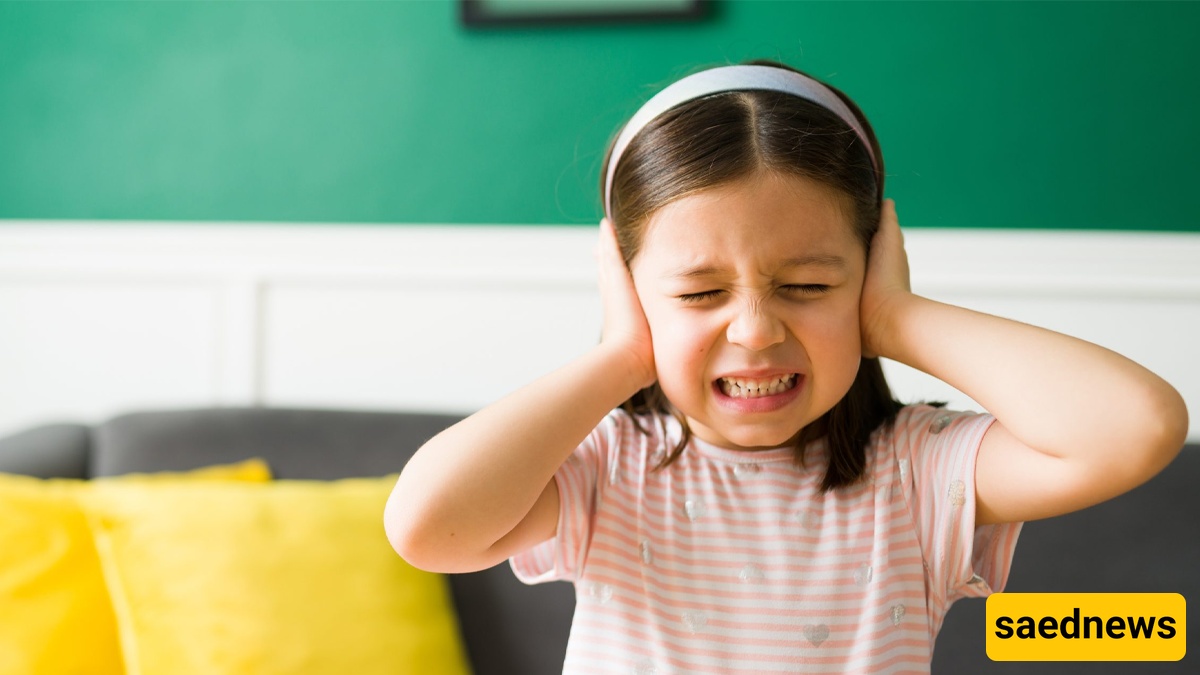
According to SAEDNEWS, children do not all experience sounds, sights, and surroundings in the same way. Some may become uncomfortable with loud voices, sudden noises, busy rooms, or crowded places, while others barely notice them. Such differences can be part of normal individual development, especially when children are still learning how to manage and respond to new sensory experiences.
A child's nervous system gradually learns how to organize information from the environment. Sounds, movement, light, touch, and other sensations can sometimes feel overwhelming when too many things happen at once. Younger children may have more difficulty filtering these sensations, so they may cover their ears, become restless, or ask to leave a noisy environment.
Children often become more sensitive when they are tired, hungry, overwhelmed, or emotionally upset. A sound that seems ordinary during a relaxed moment may feel extremely irritating after a long and exhausting day. Maintaining regular sleep, meals, quiet breaks, and predictable routines can help reduce these reactions.

Unfamiliar places can create additional stress because children do not always know what to expect. Preparing a child before visiting a busy or unfamiliar setting can make the experience easier. Parents can briefly explain where they are going, what the child may hear or see, and what they can do if they feel uncomfortable.
Rather than forcing a child to tolerate an uncomfortable sound or environment immediately, parents can respond calmly and gradually. Moving to a quieter area, reducing unnecessary noise, allowing short breaks, and giving the child time to adjust may help. Listening to the child's concerns also teaches them that their feelings are understood and manageable.
Occasional sensitivity is usually not a reason for concern, but persistent or intense reactions deserve attention when they regularly interfere with sleep, school, social activities, or everyday routines. Parents can discuss repeated difficulties with a pediatrician or qualified child-development professional. Understanding the child's individual needs can help determine whether additional support is appropriate.