SAEDNEWS: Choosing fresh fruits and vegetables becomes easier when you know what to look for. Color, firmness, smell, texture, and appearance can help shoppers select produce that is ripe, nutritious, and likely to stay fresh longer at home.
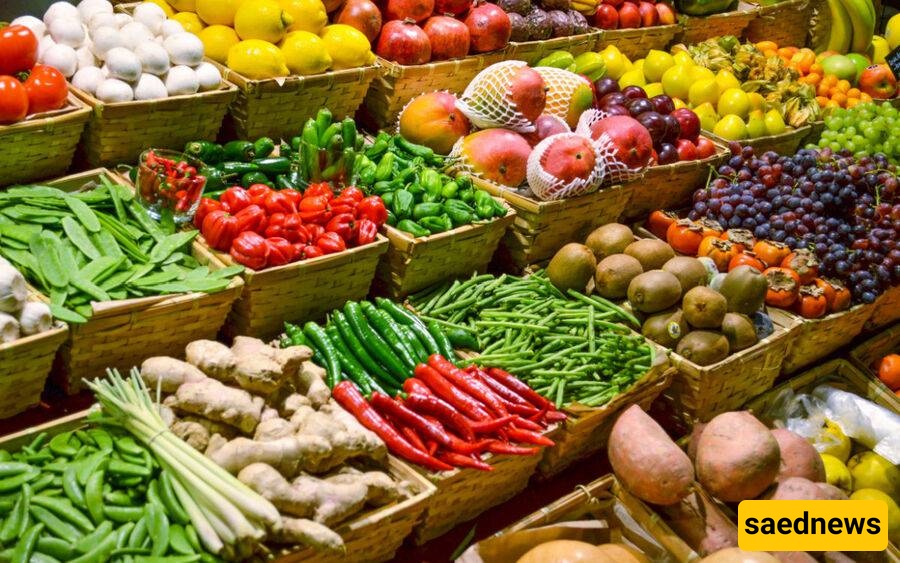
According to SAEDNEWS, selecting fresh produce does not always require special knowledge. A careful look at the color, surface, firmness, and overall appearance can reveal a lot about its freshness. Avoid items that look unusually dull, damaged, or excessively soft, as these may spoil quickly.
Bright and natural colors are often good signs of freshness. Fruits and vegetables should generally have an even appearance appropriate to their type, without large dark spots, excessive discoloration, or visible mold. A healthy-looking surface can indicate that the produce has been stored properly and is still in good condition.
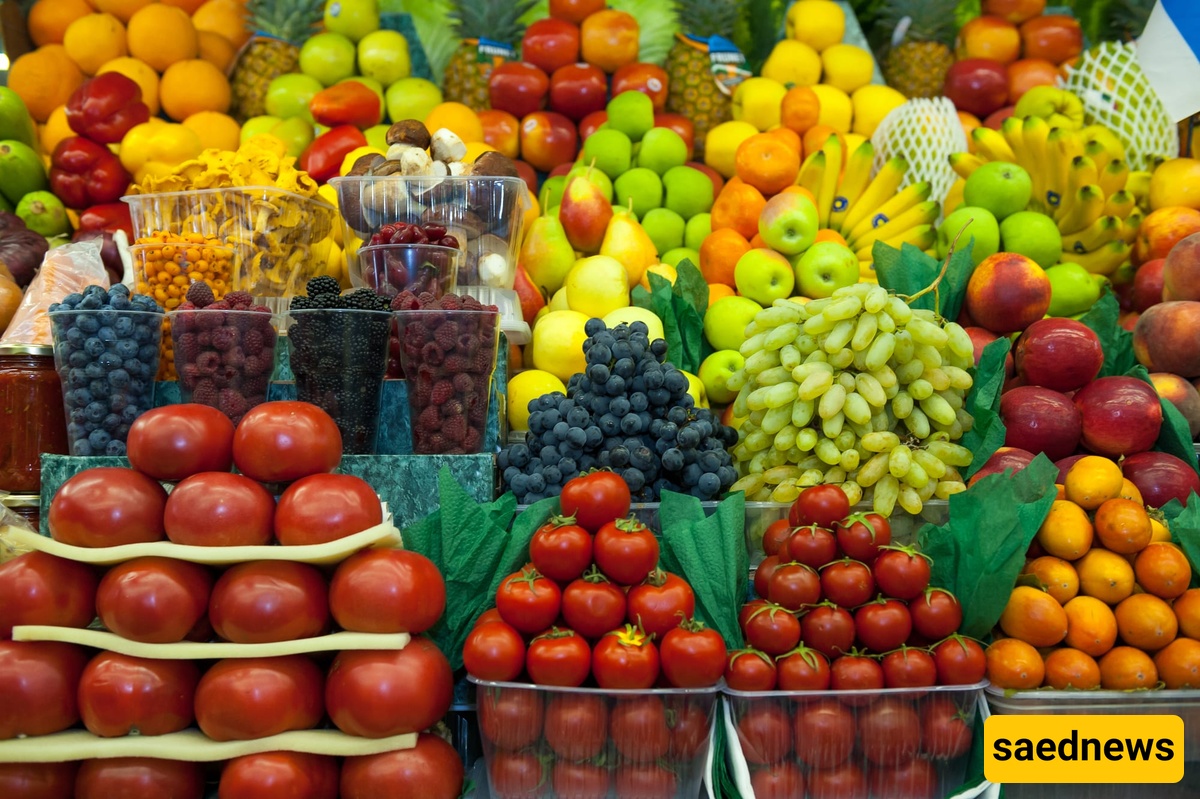
Texture is another useful way to judge freshness. Many vegetables should feel firm and crisp when gently pressed, while fruits should have the appropriate level of softness for their ripeness. Produce that is extremely soft, shriveled, or unusually hard may be overripe, dehydrated, or not yet ready to eat.
Inspect produce carefully for cuts, deep bruises, leaking areas, or broken skin. Small natural marks may not always be a problem, but significant damage can allow spoilage to develop more quickly. Choosing items with intact surfaces can help them remain fresh for longer after bringing them home.
Fresh produce often has a clean, natural smell that suits its type. An unpleasant or fermented odor can be a warning sign. Weight can also provide a useful clue: some fruits and vegetables should feel relatively heavy for their size because they contain plenty of moisture. Comparing similar items can help you identify the better option.
The freshest choice is not always the most ripe one. If you plan to eat produce immediately, selecting ripe fruits can be ideal. For items that will be stored for several days, slightly less ripe produce may last longer. Buying only the amount needed and storing each type appropriately can also reduce waste and preserve quality.