SAEDNEWS: Irregular periods usually do not have a specific cause, but they can sometimes be a sign of an underlying health problem. In this article, you will learn about the factors that can cause irregular periods and the available treatment methods.
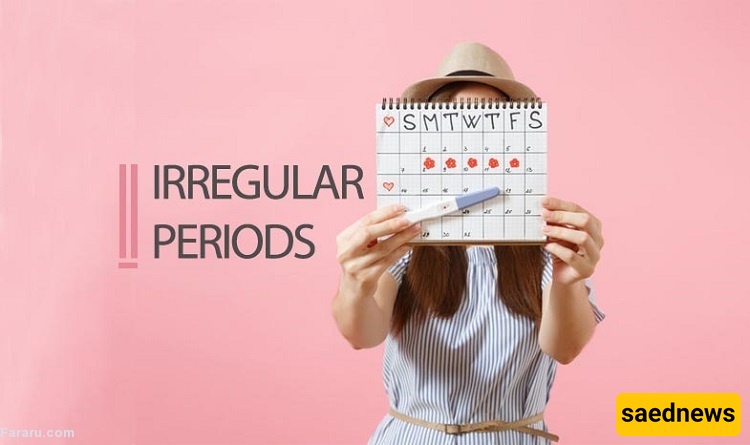
According to Saednews, Irregular periods usually do not have a serious or specific cause, but sometimes they can be a sign of an underlying health problem that should be investigated. In this article, we explore the causes of irregular menstruation and the available treatment and prevention options.
A normal menstrual cycle occurs, on average, every 28 days, plus or minus 7 days. Menstrual bleeding may be considered irregular if periods occur less than 21 days apart or if bleeding lasts longer than 8 days. Periods that come unusually early or late, or periods that are missed altogether, can also be signs of an irregular menstrual cycle.
To determine whether your periods are regular, record your menstrual dates for at least three months. Pay attention to the time between the end of one period and the beginning of the next.
If this interval varies significantly from month to month, your menstrual cycle may be irregular.
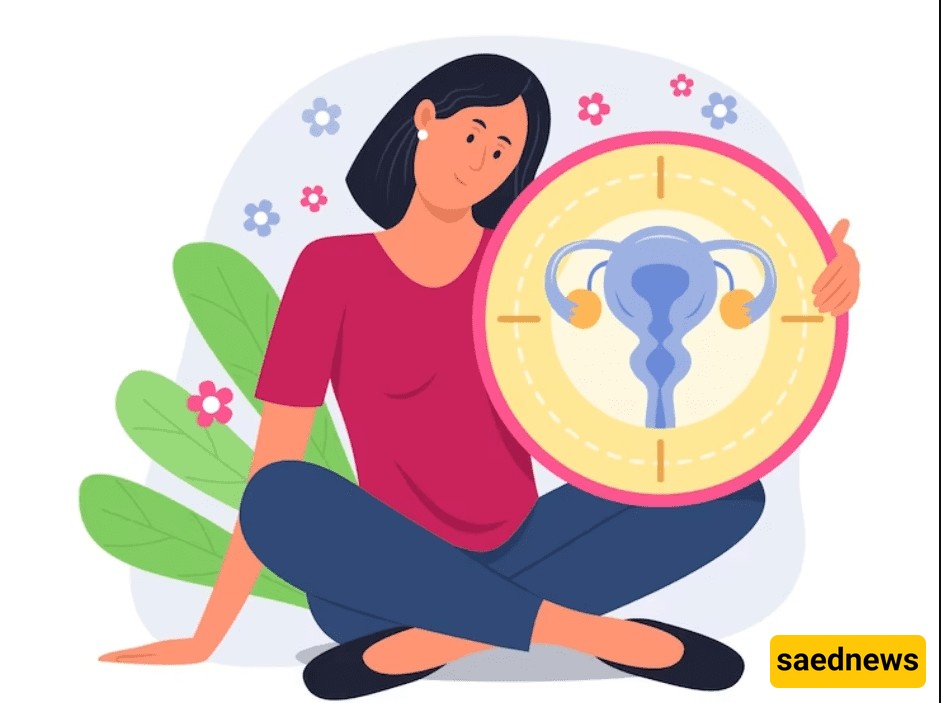
In many cases, irregular periods are related to ovulation problems. Hormonal imbalances can cause ovulation to occur irregularly or not occur during a menstrual cycle. Lifestyle factors and certain medical conditions can also affect the menstrual cycle.
Very intense exercise can delay menstruation or even cause periods to stop. This is relatively common among people who participate in endurance sports.
Being underweight or losing excessive weight because of intense exercise, poor nutrition, disordered eating, or illness can have a similar effect on the menstrual cycle.
High levels of stress, or even short-term anxiety about a particular issue, can disrupt hormonal balance and lead to missed or irregular periods.
Using hormonal birth control pills may reduce menstrual bleeding, shorten or lengthen periods, or sometimes cause periods to stop.

Polycystic ovary syndrome (PCOS) is a hormonal condition that can interfere with normal ovulation. People with PCOS often have a history of irregular periods.
PCOS may also contribute to fertility problems and is associated with an increased risk of conditions such as diabetes and cardiovascular disease.
Thyroid disorders, including an overactive or underactive thyroid, can affect thyroid hormone levels and contribute to irregular periods.
Other conditions that may play a role in irregular menstrual cycles include sexually transmitted infections, diabetes, uterine fibroids, eating disorders, and endometriosis.
When menstruation first begins, periods may not be completely regular. It can take several years for menstrual cycles to become more consistent.
Changes in the menstrual cycle and missed periods are also more common during the years leading up to menopause.
Missed or consistently irregular periods may be a reason to consult a doctor. Frequent irregular periods can sometimes be associated with PCOS or other ovulation problems.
Thyroid disorders and other health conditions related to menstrual irregularities should also be considered. Irregular periods can affect fertility, particularly when ovulation does not occur regularly.
People with irregular periods who are trying to conceive may be prescribed medications that stimulate ovulation. Although pregnancy is still possible with irregular periods, medical guidance can help identify and address any underlying health concerns.
If stress is contributing to irregular periods, stress-management techniques such as meditation, yoga, or tai chi may be helpful. Avoiding excessive exercise and overly restrictive diets may also support a healthier menstrual cycle.
Hormonal birth control pills are sometimes prescribed to help regulate periods. Some people also use herbal remedies such as black cohosh, which has traditionally been used for menstrual irregularities and premenstrual symptoms. However, scientific evidence supporting these uses remains limited.
Black cohosh should not be used without medical advice, particularly if you have other symptoms or a history of liver problems.
If you experience irregular periods only a few times a year, it may not necessarily be a cause for concern. However, if irregular periods happen regularly, it is advisable to see a healthcare professional to check for ovulation problems or other underlying conditions.