SAEDNEWS: The buildup of Saudi-backed forces and equipment across several areas of Yemen has raised expectations of possible ground operations, but Ansarullah has responded with missile and drone attacks while maintaining pressure on multiple fronts.
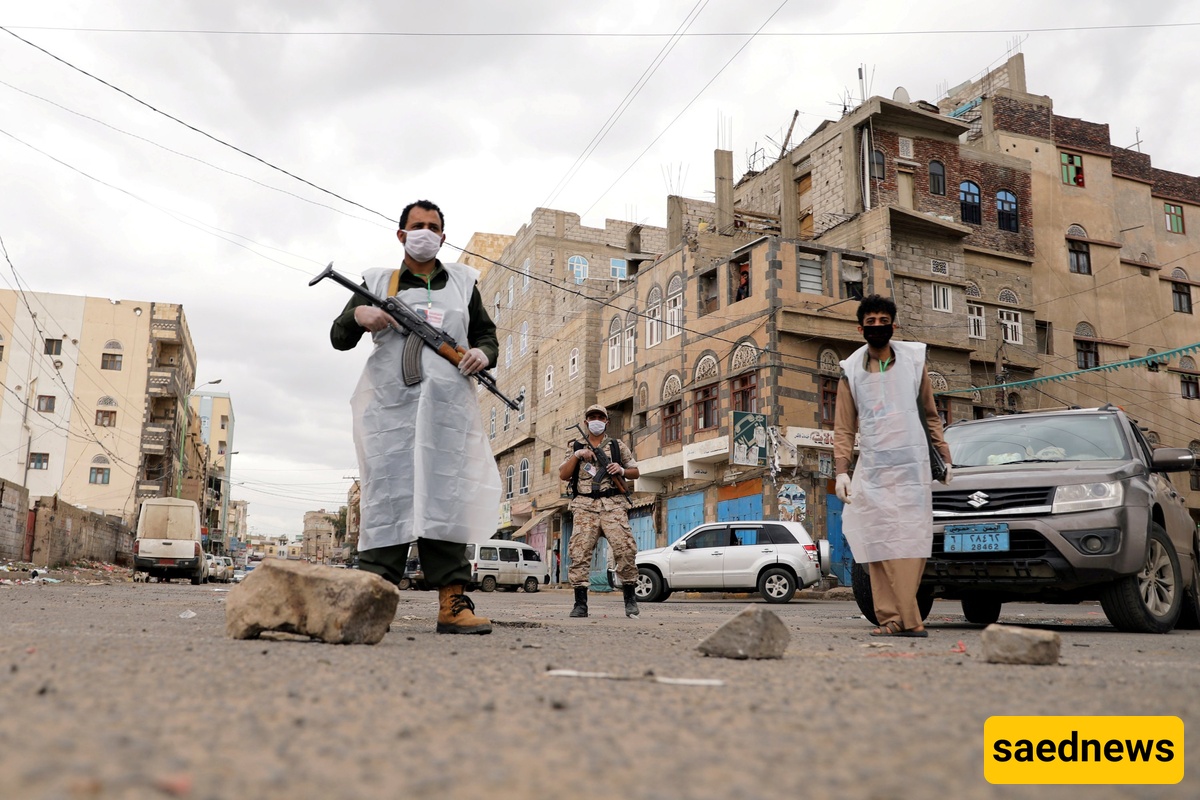
According to SaedNews: The recent concentration of Saudi-backed fighters and military equipment in different parts of Yemen appears to be an effort to prepare for possible ground operations against Ansarullah. The movements have taken place across several fronts, but Sana’a forces have not been caught off guard. Instead, they have used a series of missile and drone attacks to increase pressure on Saudi-backed forces before any potential ground offensive begins.
The geographic spread of the latest operations is also significant. The attacks have not been confined to a single battlefield. In the east, particularly around Marib, attacks have increased, while on the western coast, the port of Mokha and surrounding areas have come under attack. In the south, gatherings of Saudi-backed forces in Lahij province have also been targeted. The pattern indicates that Ansarullah’s response is not focused on one specific axis and that several positions used by the opposing forces are being pressured at the same time.
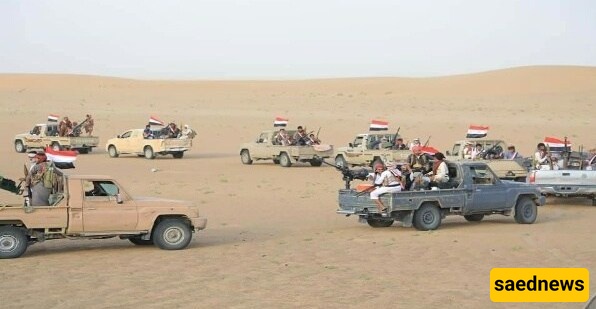
The effectiveness of these attacks is another important factor. Ansarullah’s current security superiority has reportedly given Sana’a forces a strong ability to detect concentrations of troops and equipment belonging to Saudi-backed forces. That capability has, in turn, increased the effectiveness of missile and drone strikes. A buildup of forces intended for a ground offensive can only become an advantage if those forces can be protected and supplied. Under the current circumstances, however, a significant portion of these concentrations is coming under attack before they can be transformed into ground operations.
For this reason, the larger deployment of troops and equipment by Saudi-backed forces has not yet succeeded in changing the battlefield balance in their favor. Instead, the rapid response from Sana’a has turned the opposing side’s military movements into an opportunity for Ansarullah to increase pressure across several fronts. This becomes particularly important because a possible ground offensive would require troops and equipment to be concentrated at specific locations, something that carries greater costs and risks under the current security conditions.
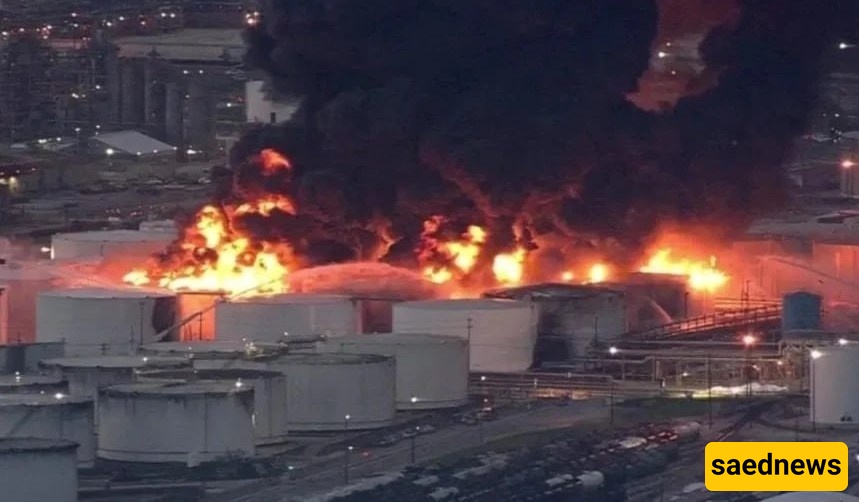
More important than the direct missile and drone strikes, however, is the equation Ansarullah has created around Saudi Arabia’s oil industry. So far, that pressure has prevented Saudi Arabia from resuming its air campaign against Sana’a forces in Yemen. Saudi-backed ground forces are therefore preparing for possible operations without having regained the benefit of renewed Saudi air support.
This factor is central to assessing the current situation. If Saudi Arabia resumed its air strikes, a ground operation by forces aligned with it could receive direct aerial support. The continuation of the present situation, however, means Saudi ground forces and their mercenaries would, at least for now, have to enter a possible offensive while facing pressure from Sana’a without the return of that air cover. As a result, a larger concentration of troops and equipment by itself cannot be considered evidence that the battlefield balance has changed.
Taken together, these developments have created a different position for Ansarullah. On one side, Sana’a forces have responded to Saudi-backed military movements on several fronts with missile and drone attacks. On the other, pressure on Saudi Arabia’s oil industry has prevented the return of Saudi air strikes. The initiative therefore remains with Sana’a forces under the current circumstances, while the opposing side has not yet managed to alter that situation through its increased deployments.
Against this backdrop, the possibility that a ground offensive could lead not to an advance by Saudi-backed forces but to a rapid Ansarullah response and advances along several axes has grown. That possibility becomes more significant when the situation in Marib is taken into account. Marib is one of the most important areas where Saudi-backed forces are present, and increased pressure from Sana’a there has also intensified concerns over the possible fall of the city.
Those concerns have now extended beyond military calculations to political activity and regional mediation efforts. It has been reported that Islah Party forces based in Marib, fearing that the city could fall to Sana’a forces, have sought to use regional intermediaries to prevent such an outcome. In the same context, reports say the Islah Party has asked Hamas to mediate between the party and Ansarullah forces.
The significance of this request lies less in the possible outcome of the mediation than in what it suggests about conditions on the ground. When one side of a conflict seeks mediation to prevent the possible loss of one of its most important positions while simultaneously increasing its military activity, it indicates that concerns about a rapid shift in the battlefield situation have become serious. In Marib, this is taking place as Sana’a forces have increased attacks in the area while continuing to apply pressure elsewhere.
Overall, Yemen’s current situation cannot be assessed solely by looking at the quantity of troops and equipment deployed across the different fronts. Saudi-backed forces are increasing their readiness for a ground operation, but Ansarullah retains a security advantage, has been able to identify and target opposing troop concentrations in various areas, and has placed significant pressure on them through missile and drone operations. At the same time, the pressure placed on Saudi Arabia’s oil industry has so far prevented the resumption of Saudi air strikes.
The overall direction of events therefore points less to a shift in the balance in favor of Saudi-backed forces than to the continuation of Ansarullah’s military and security superiority. The growing concern among Islah Party forces in Marib and their reported efforts to seek regional mediation are among the clearest indications of this situation. At present, Sana’a forces retain the decisive battlefield advantage, meaning that the start of a Saudi-backed ground operation could, rather than opening the way for their advance, create the conditions for a rapid Ansarullah response and advances along several fronts.