SAEDNEWS: Cheese paired with dates and nuts is a popular traditional Iranian snack. In this article, we explore the health benefits and nutritional value of this delicious and wholesome combination.

According to Saednews, Combining cheese with dates and nuts is a popular traditional snack in Iran. It is commonly enjoyed at breakfast or as an afternoon snack in many households. This combination offers a variety of flavors, textures, and nutritional benefits. Cheese provides protein and calcium, dates are a source of natural energy and fiber, while nuts supply healthy fats and essential minerals.
But how healthy is the combination of cheese, dates, and nuts? What benefits does it offer, and can it be considered a nutritious snack? The answer depends on portion size, ingredient quality, and individual health conditions.
In this article, we explore the nutritional value, potential health benefits, and important consumption tips for this traditional food combination.
To understand the health benefits of this combination, it is important to look at the nutritional properties of each ingredient.
Cheese is particularly nutritious when made naturally and with reduced salt. It provides high-quality protein, calcium, phosphorus, B vitamins, and, in some varieties, beneficial probiotic bacteria.
The protein in cheese supports tissue repair and helps maintain muscle mass, while calcium contributes to healthy bones and teeth. However, some cheeses contain significant amounts of saturated fat and sodium. Choosing low-sodium varieties and eating moderate portions is therefore recommended.
Dates are a natural source of energy. They contain carbohydrates, dietary fiber, potassium, magnesium, and antioxidant compounds such as polyphenols. Their natural sugars provide readily available energy, while their fiber content helps moderate the rate of sugar absorption.
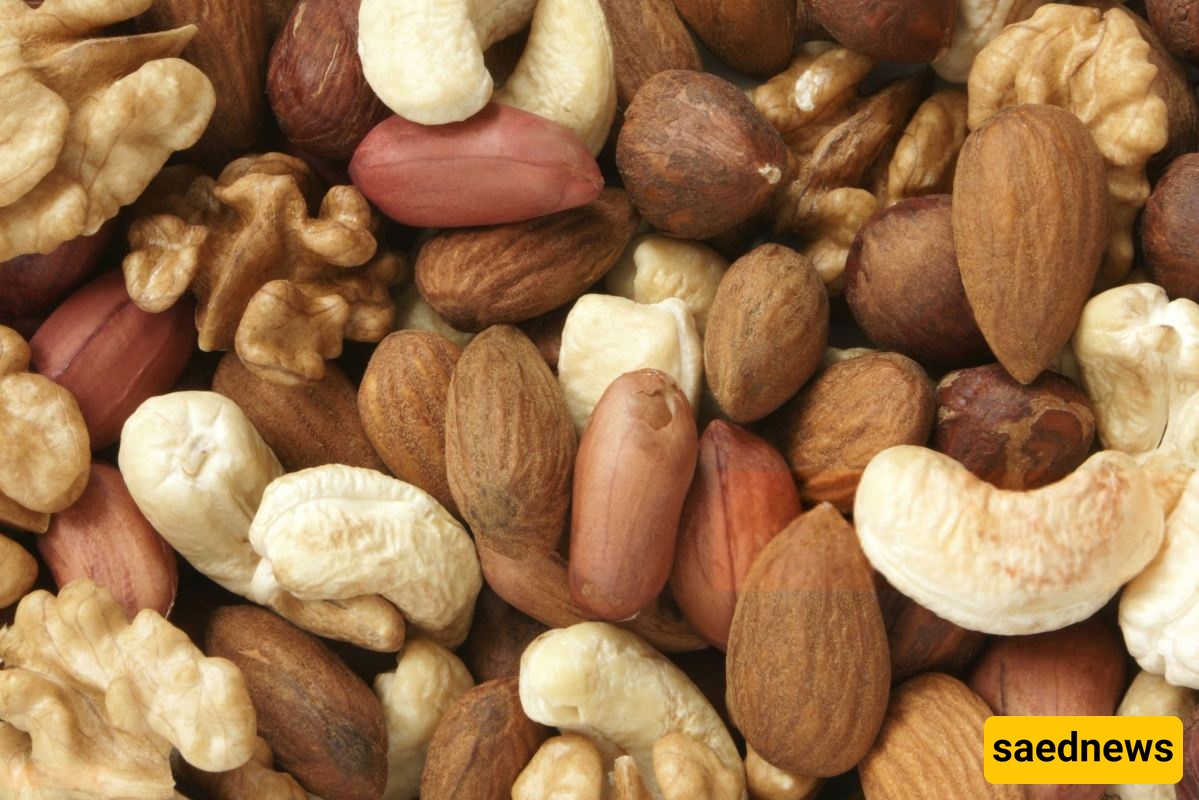
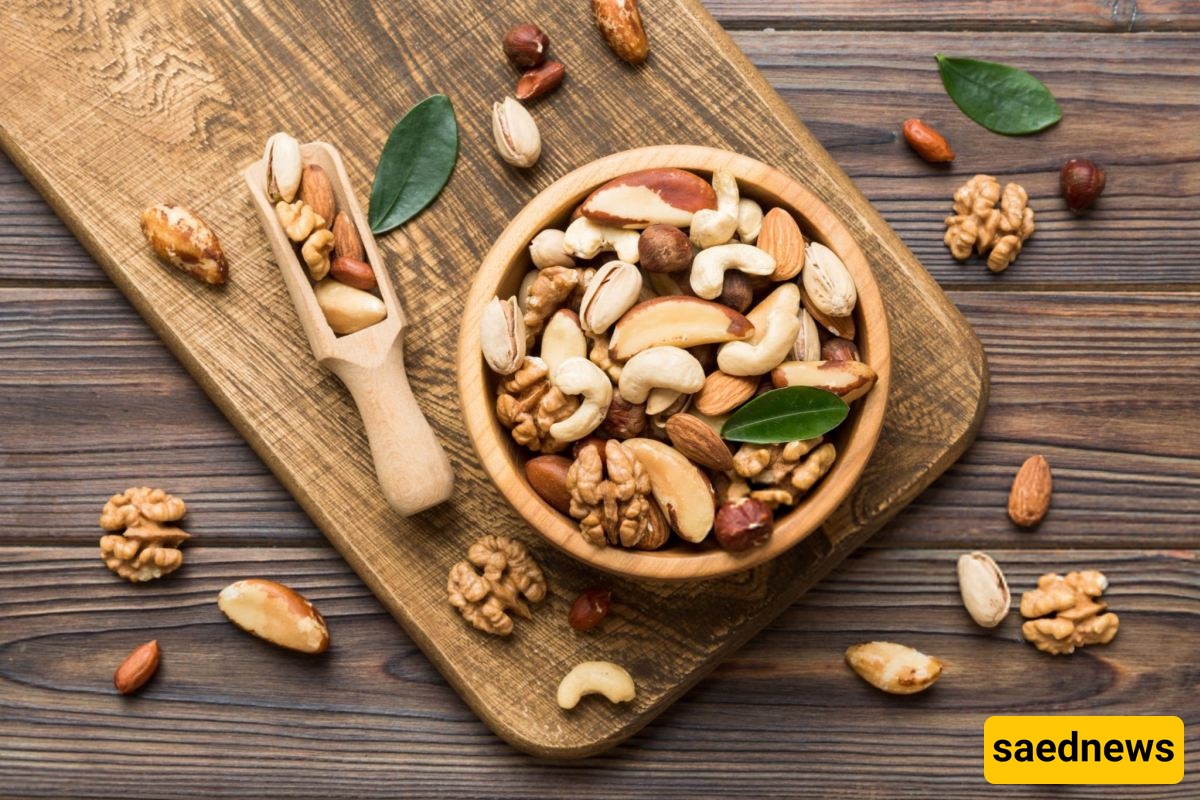
Nuts, including walnuts, almonds, pistachios, and hazelnuts, provide unsaturated fats, plant-based protein, fiber, vitamin E, magnesium, zinc, and, in certain varieties, omega-3 fatty acids.
Together, these ingredients offer a combination of energy, protein, healthy fats, fiber, and essential micronutrients.

One of the main advantages of combining cheese with dates and nuts is the balance between the carbohydrates in dates and the protein and fats found in cheese and nuts.
Dates alone may cause blood sugar levels to rise relatively quickly. However, eating them alongside cheese and nuts may slow gastric emptying and the absorption of sugar due to their protein, fat, and fiber content.
This does not mean that eating large quantities of dates is safe for people with diabetes. Individuals with diabetes should manage their portions according to the advice of their doctor or dietitian.
Cheese, dates, and nuts can make a satisfying snack that helps you feel full for longer.
Cheese provides protein, nuts supply healthy fats, and both dates and nuts contain dietary fiber. These nutrients can slow digestion and help reduce hunger between meals.
This makes the combination a convenient option for people looking for a filling snack during the day.
However, cheese and nuts can be relatively high in calories, particularly when full-fat cheese is used. Eating large portions may contribute to weight gain. Portion control is therefore essential.
Cheese is an excellent source of calcium and phosphorus, while dates and nuts provide magnesium and other essential minerals.
Calcium is necessary for building and maintaining strong bones, while magnesium plays an important role in bone metabolism and vitamin D activation.
Combining these foods can make a nutritious snack for people who want to support their bone health.
Nevertheless, preventing osteoporosis requires more than a single food combination. Regular physical activity, adequate vitamin D intake, and a balanced diet are also important.

Nuts contain unsaturated fats, fiber, potassium, and magnesium, all of which can contribute to cardiovascular health as part of a balanced diet.
Dates also provide potassium and antioxidant compounds that may help support healthy blood pressure regulation and reduce oxidative stress.
Low-sodium cheese can also be included in a heart-conscious eating pattern.
However, consuming salty cheese and salted nuts can increase sodium intake, which may be unsuitable for people with high blood pressure. Choosing low-sodium cheese and unsalted nuts is a better option.
Combining cheese, dates, and nuts can be a practical snack before or after physical activity.
Dates provide readily available carbohydrates for energy, while cheese and nuts supply protein and fats that contribute to recovery and satiety.
This combination can be particularly useful for people who engage in moderate physical activity and want a convenient, nutritious snack.
Portion sizes should be adjusted according to individual energy needs and activity levels. Professional athletes may benefit from a more specialized nutrition plan.
Dates contain phenolic compounds and antioxidants that may help protect the body against oxidative damage.
Nuts are also important sources of antioxidants, including vitamin E, selenium, and various plant compounds.
These nutrients contribute to cellular health and may help reduce inflammation as part of an overall healthy diet.
However, no single snack can prevent or cure diseases. Its benefits should be considered within the context of a varied and balanced eating pattern.
Both dates and nuts contain dietary fiber, which supports normal bowel function, helps prevent constipation, and contributes to a healthy gut microbiome.
Some types of cheese, particularly fermented varieties, may also contain beneficial bacteria.
Combining these ingredients can be useful for people who do not consume enough dietary fiber.
However, individuals with digestive conditions such as irritable bowel syndrome (IBS) should adjust their intake of dates and nuts carefully, depending on their tolerance.
Despite its nutritional benefits, this combination should be consumed in moderation.
A reasonable snack portion may include:
Approximately 30 grams of low-sodium cheese
Two to three dates
A small handful of unsalted nuts
Eating too much of this combination may increase overall calorie intake because of the natural sugars in dates, the fat content of nuts, and the saturated fat found in some cheeses.
People with dairy allergies, lactose intolerance, or nut allergies should take appropriate precautions and avoid ingredients that trigger their symptoms.
Individuals with kidney disease should also consult their healthcare provider, as they may need to monitor their potassium and phosphorus intake.
Ingredient quality matters as well. Consider choosing:
Low-sodium cheese
Fresh, properly washed dates
Raw or unsalted nuts
Adding vegetables such as cucumber and tomatoes can further improve the nutritional value of this snack while increasing portion size without adding many calories.
This combination is particularly suitable for breakfast or as a daytime snack. It may be preferable to avoid eating a large portion shortly before bedtime.
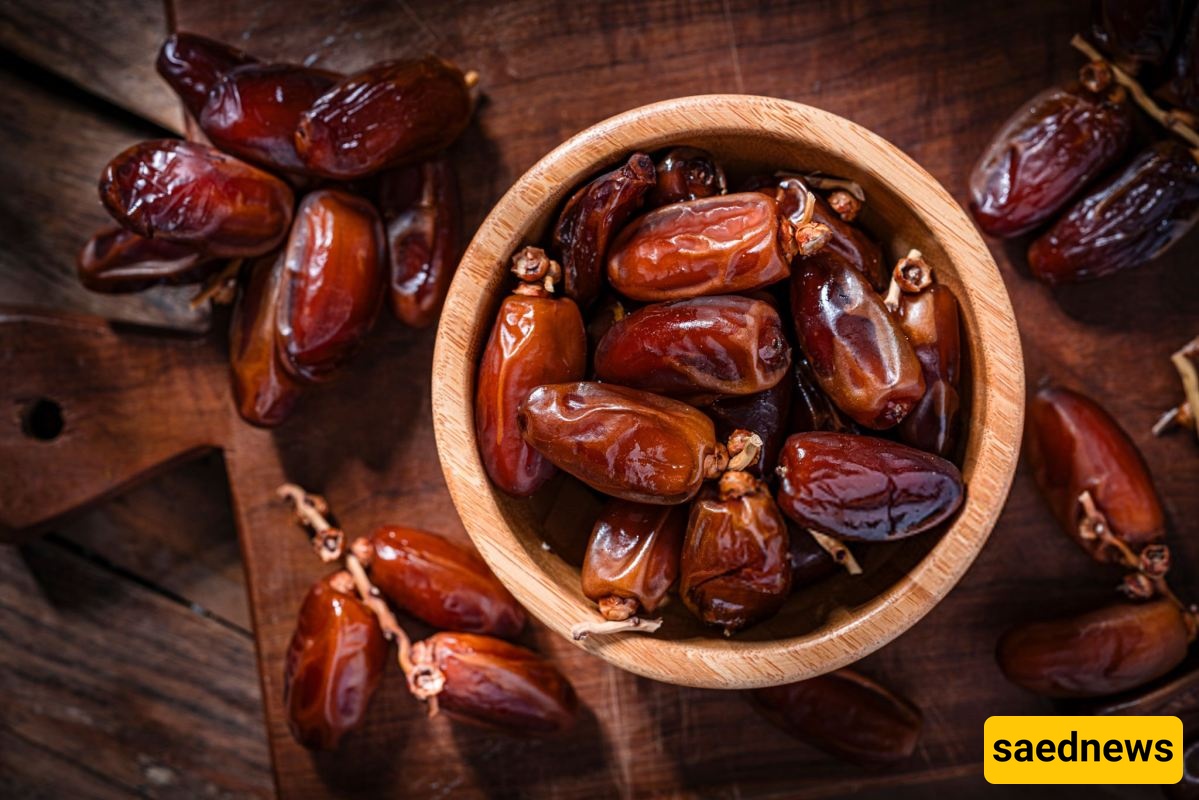
Combining cheese with dates and nuts is a delicious and nutritious traditional snack that provides protein, calcium, dietary fiber, healthy fats, and essential minerals.
It may help promote fullness, provide energy, support bone health, and improve overall nutrient intake.
However, no single food combination is a miracle solution for good health. Overall well-being depends on dietary habits, physical activity, and individual health needs.
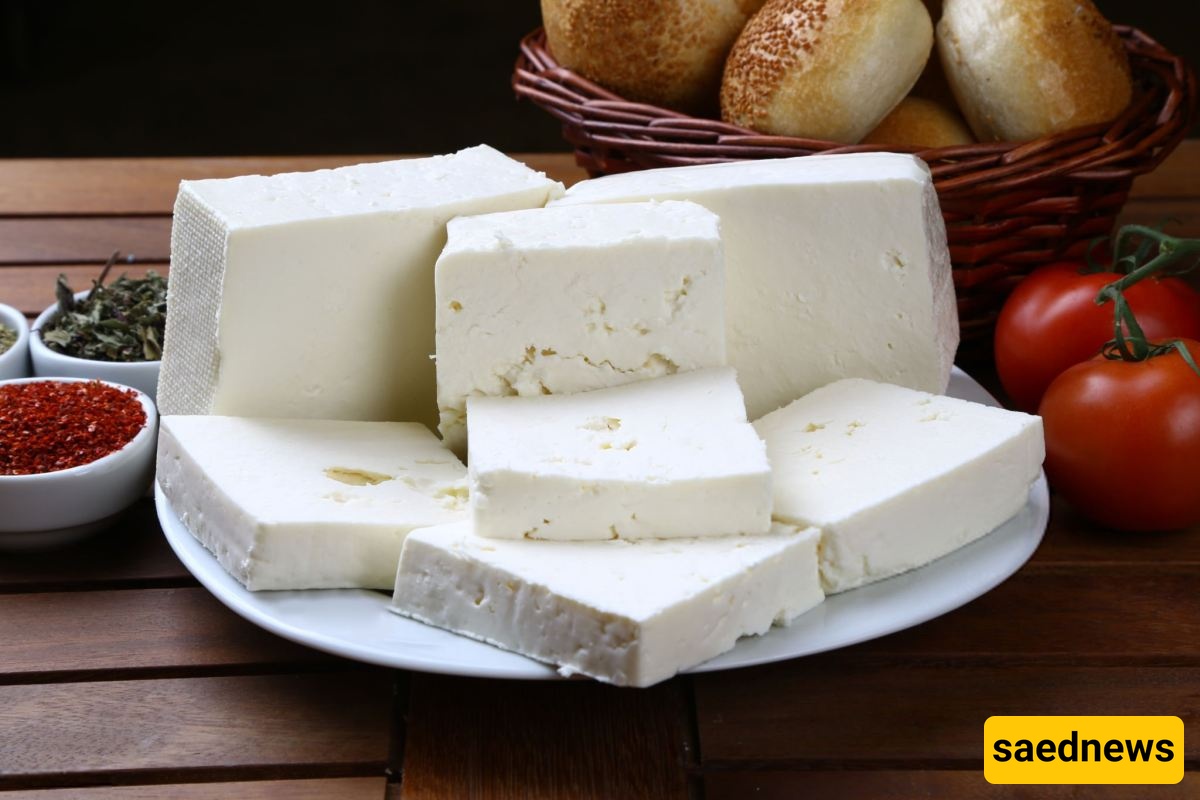
To enjoy the benefits of cheese, dates, and nuts, pay attention to portion sizes, choose low-sodium ingredients and avoid added sugars. People with specific health conditions, such as diabetes, kidney disease, or food allergies, should consult a healthcare professional before making significant dietary changes.
Ultimately, this traditional trio can be a delicious part of a balanced and enjoyable diet, provided that moderation and dietary variety remain priorities.