SAEDNEWS: 5 Effective Ways to Reduce Dryness, Frizz, and Hair Breakage and Protect Color-Treated and Bleached Hair from Further Damage
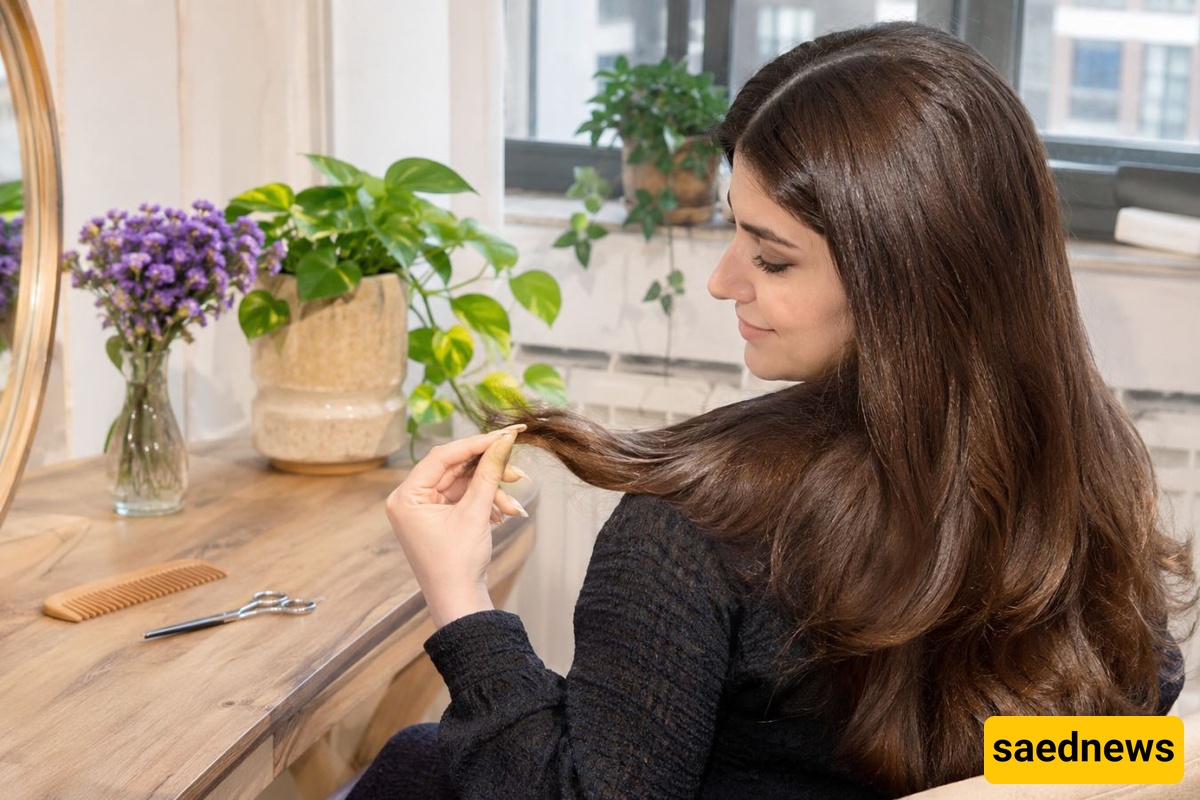
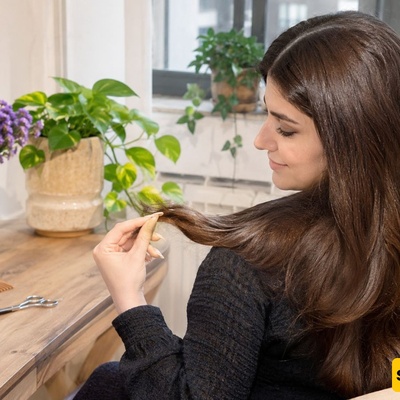
According to Saednews, Dry, rough, frizzy, and brittle hair does not necessarily mean your hair is beyond repair. If your hair has been damaged by hair dye, bleaching, flat irons, blow-drying, or improper washing habits, making a few simple changes to your hair care routine can improve its appearance and help prevent further breakage.
However, there is one important thing to understand: the hair shaft is not living tissue, so severe structural damage cannot be completely or permanently reversed. Hair care products can make your hair softer, smoother, easier to manage, and less prone to friction, but existing split ends cannot be permanently repaired with hair masks or oils.
In this guide, we will explore five practical steps to caring for damaged hair.
Signs | Possible Causes |
|---|---|
Dryness and rough texture | Loss of protective oils, improper washing, or heat damage |
Excessive frizz | Damage to the hair's outer layer and increased friction |
Split ends | Wear and splitting of the hair shaft |
Stretchy, breaking bleached hair | Severe chemical damage to the hair structure |
Frequent tangling | Rough hair texture, dryness, and cuticle damage |
Breakage while brushing | Heat, chemical, or mechanical damage |
To get started, you will need a gentle shampoo suitable for your scalp, a conditioner, an appropriate hair mask, a wide-tooth comb, a soft towel, and, if necessary, a leave-in conditioner.
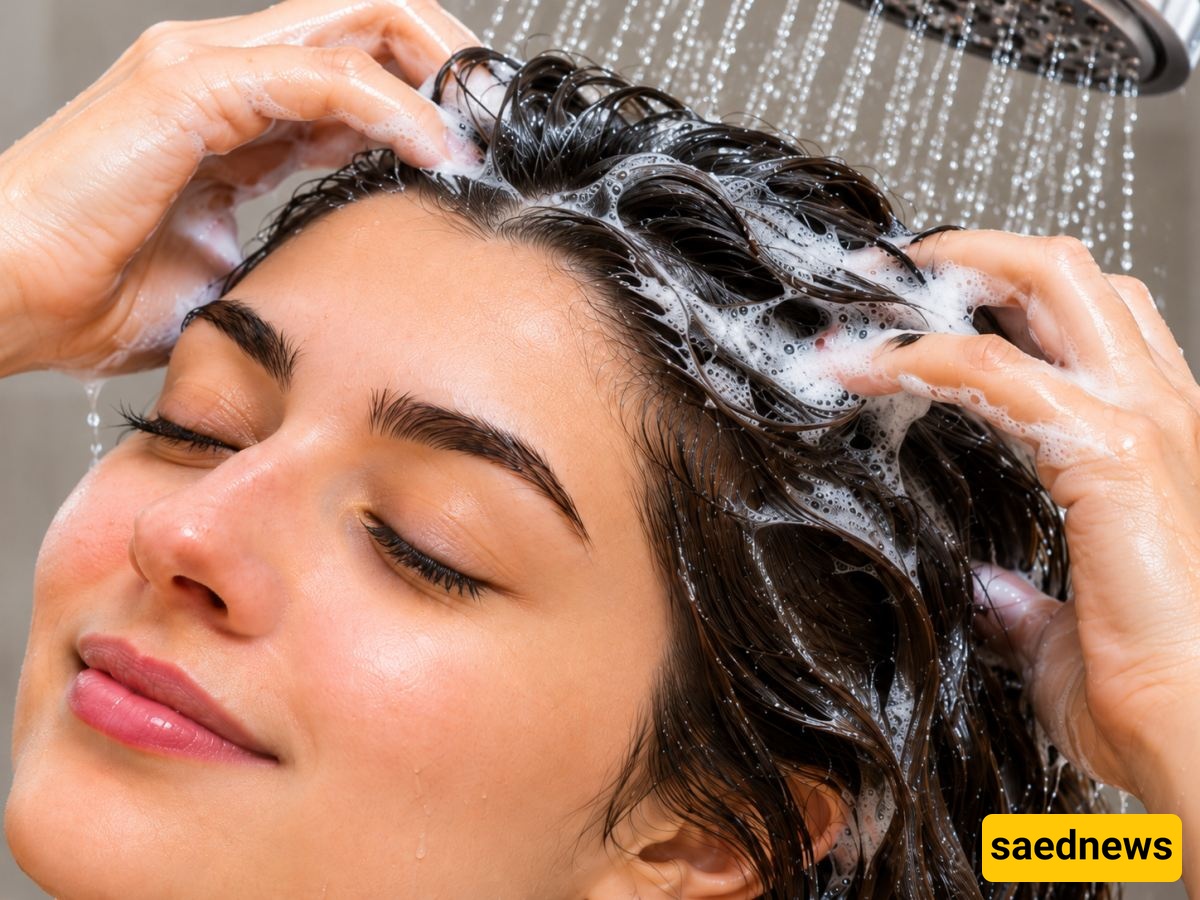
One of the main reasons dryness and hair breakage become worse is improper washing. Very hot water, aggressive rubbing, and excessive shampoo use can further damage already weakened hair.
How to do it:
Thoroughly wet your hair with lukewarm water.
Apply an appropriate amount of shampoo to your palms and gently massage your scalp.
Allow the shampoo foam to run through the lengths of your hair while rinsing. There is no need to scrub the hair shaft.
Rinse your hair thoroughly.
After shampooing, apply a conditioner suitable for your hair type.
Helpful tip: Choose your washing frequency based on your scalp's oil production and hair type. Very dry hair generally requires less frequent washing than an oily scalp.
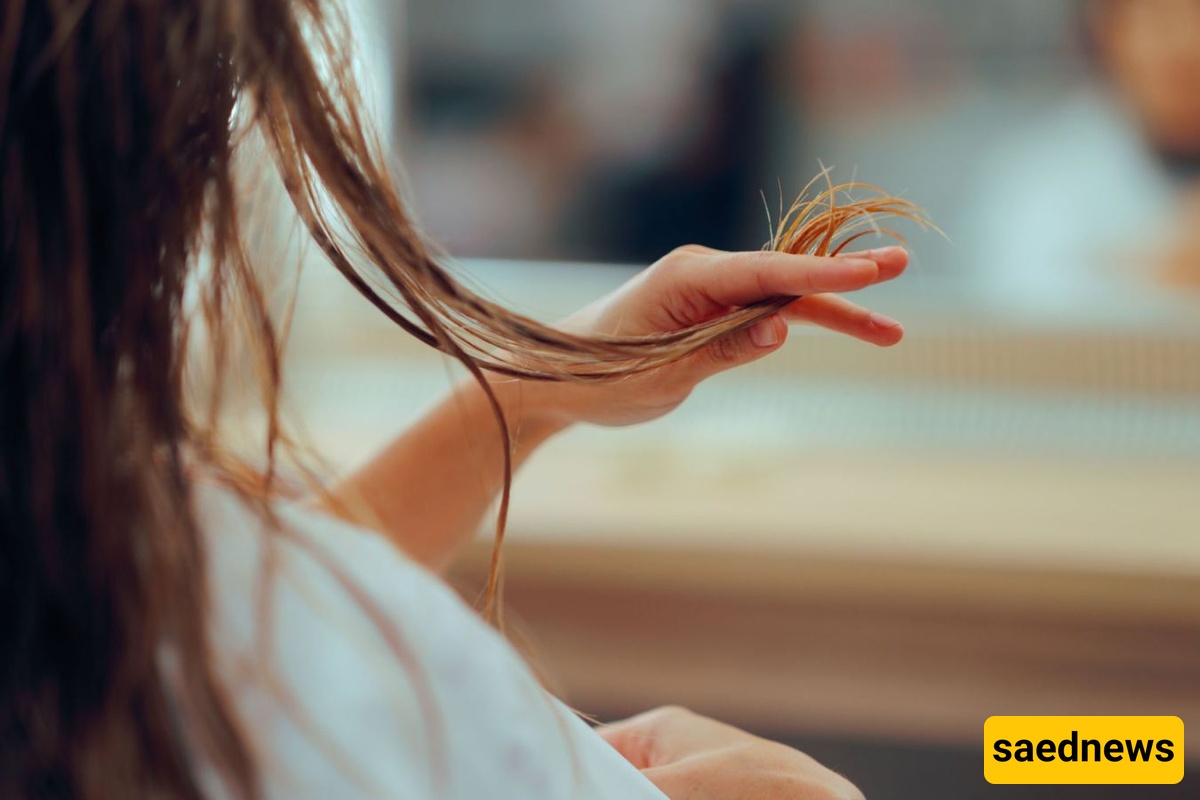
Damaged hair often has a rough surface and becomes tangled more easily when brushing. Conditioners reduce friction between hair strands, improve manageability, and can help minimize breakage.
How to do it:
After shampooing, gently squeeze out excess water.
Apply conditioner along the lengths of your hair, especially to the ends.
Leave it on according to the product instructions, then rinse.
If your hair is extremely dry, use a suitable rinse-out hair mask. Follow the recommended application time and frequency on the label.
If your hair still tangles after showering, apply a small amount of leave-in conditioner to the lengths and ends.
Important note: Hair masks and products containing proteins or conditioning ingredients may improve your hair's appearance and texture, but they cannot replace trimming severely damaged sections.
Wet hair is more vulnerable to stretching and damage from improper handling. Rough towel-drying or pulling a brush through tangled strands can cause breakage.
How to do it:
After showering, gently press your hair with a soft towel or cotton T-shirt to absorb excess water.
Avoid vigorously rubbing your hair with a towel.
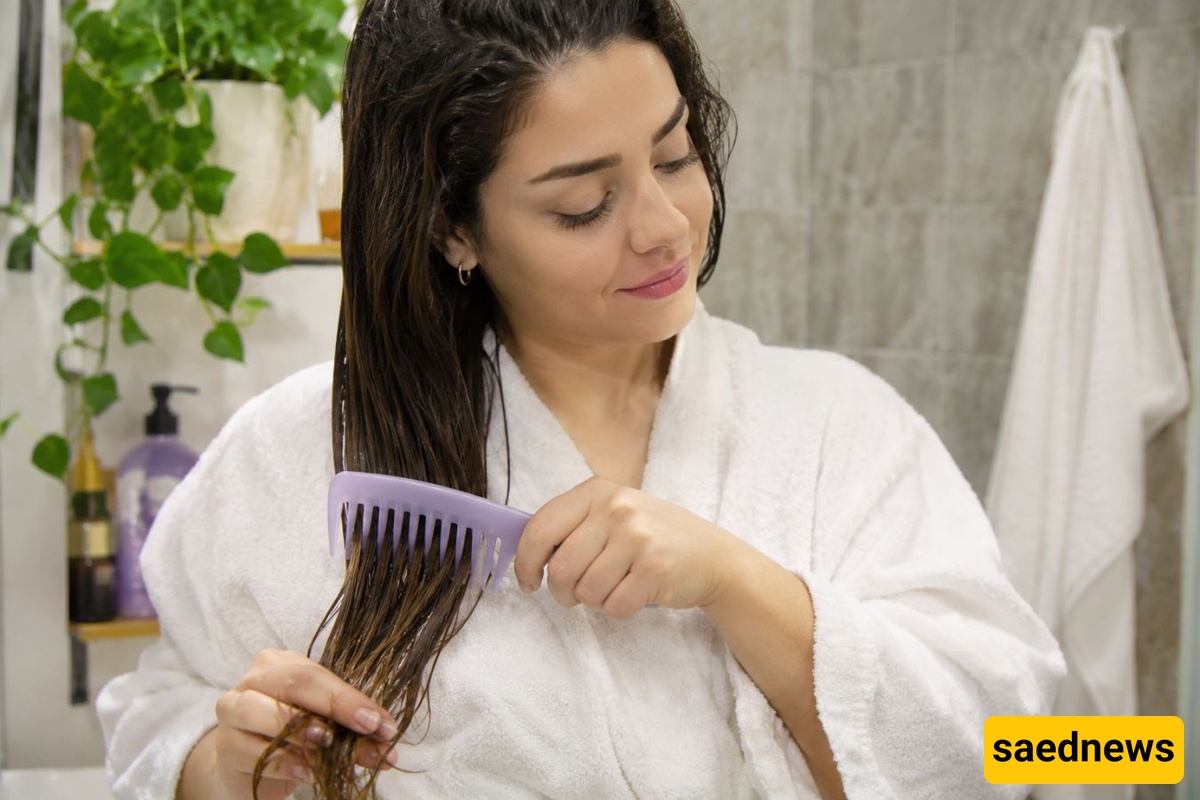
Start detangling from the ends and gradually work your way upward.
For straight hair, gentle brushing when it has partially dried is generally a good option.
Curly and wavy hair can be detangled with a wide-tooth comb while conditioner is still in the hair.
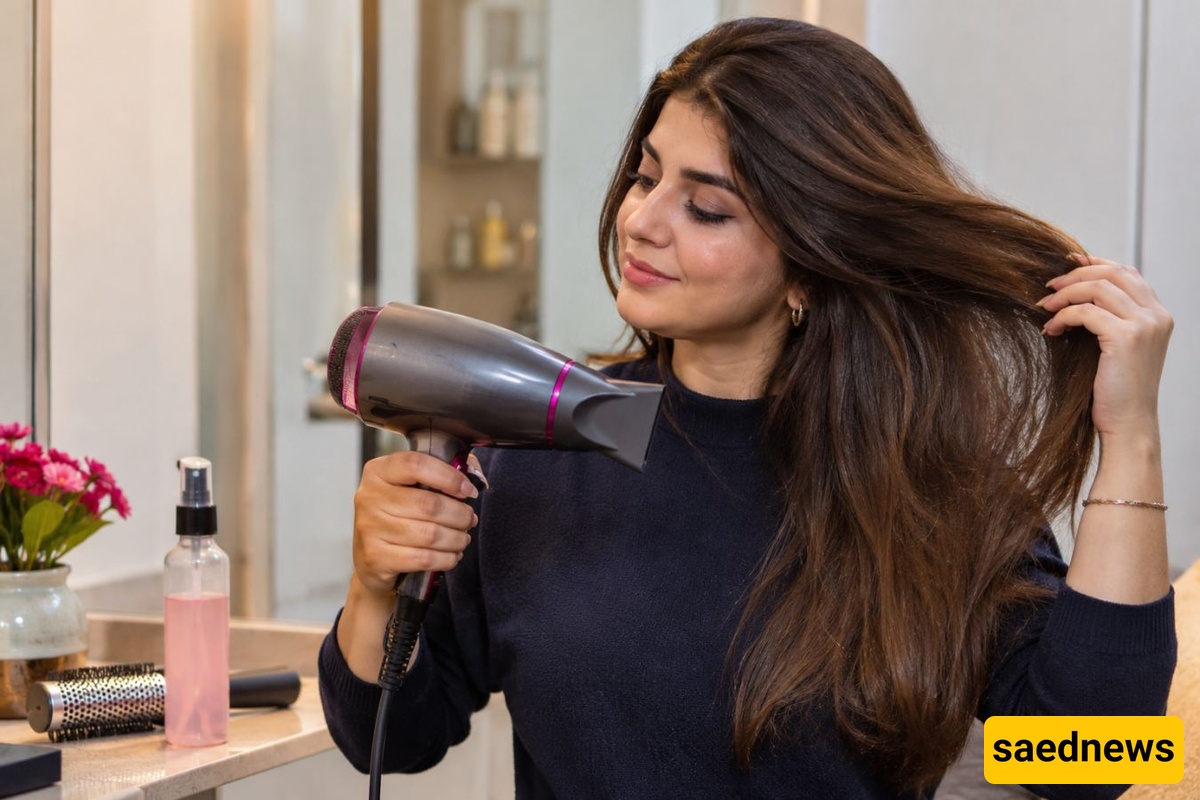
If you use a blow-dryer, select a low or moderate heat setting and keep the dryer moving.
If you regularly use flat irons, curling irons, bleach, or chemical hair dyes, even the best hair care products cannot prevent all additional damage.
How to do it:
Reduce your use of flat irons and curling irons as much as possible.
Apply a heat-protectant product before using heated styling tools, following its instructions.
Use flat irons only on completely dry hair and choose the lowest effective temperature.
Avoid bleaching previously bleached or fragile sections again.
If your hair is extremely weak, postpone further chemical treatments until it has been assessed by a professional.
Warning: If your hair becomes stretchy, gummy, or elastic when wet and breaks easily, it may have severe chemical damage. Continuing to bleach or apply excessive heat can make the condition worse.

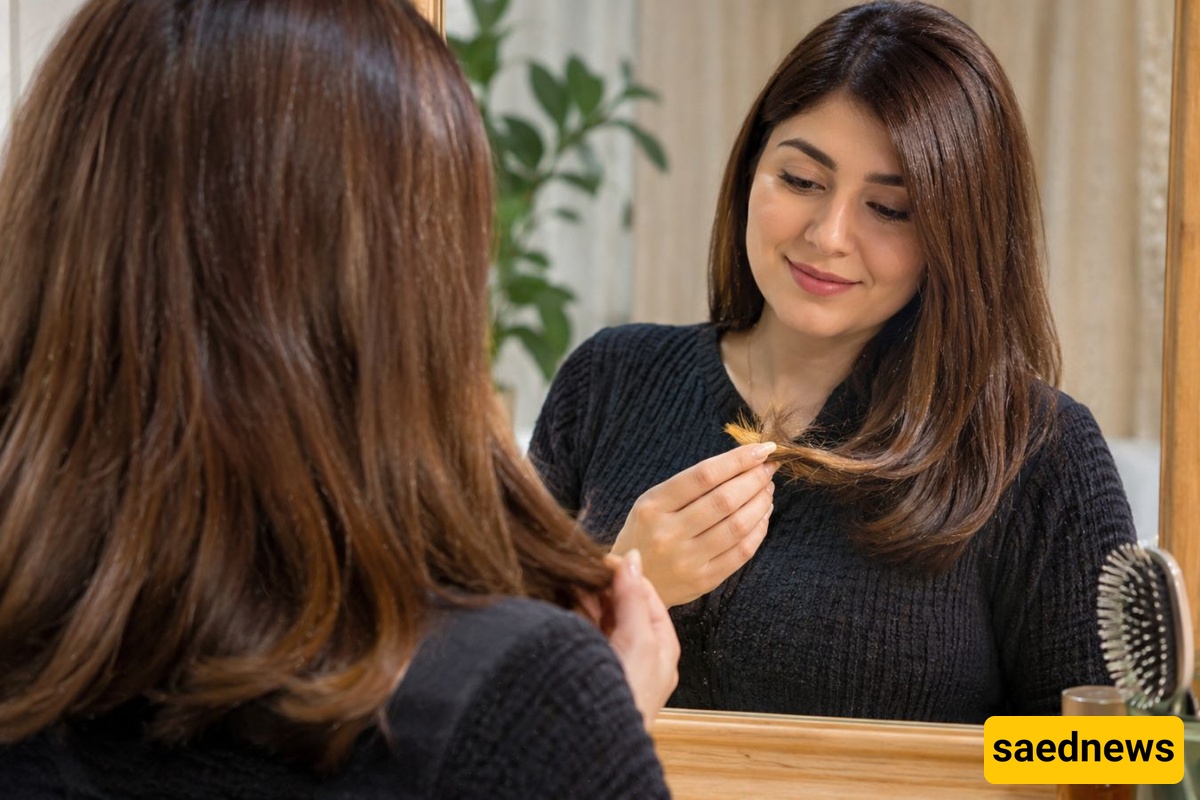
The final step is removing sections that cannot be restored and preventing further damage. If your ends have become split, extremely thin, or brittle, trimming the damaged sections can give your hair a healthier and neater appearance.
How to do it:
Examine your hair ends under good lighting.
Have split ends trimmed by a hairstylist when necessary.
Avoid tying your hair too tightly with unsuitable hair ties.
To reduce friction while sleeping, leave your hair loose or wear it in a very loose braid.
Continue following a gentle washing routine, using conditioner, and protecting your hair from heat.
What results can you expect?
Improved softness, easier detangling, and reduced frizz may become noticeable after the first few conditioning treatments. Reducing breakage and improving your hair's overall appearance depend on consistent care and the extent of the original damage.
Existing split ends cannot be permanently repaired with hair care products.
Using too much hair oil: Oils may reduce friction and the appearance of dryness, but they are not a permanent solution for split ends or chemical damage.
Applying irritating homemade remedies: Ingredients such as lemon juice and baking soda may irritate your scalp or worsen your hair's condition.
Straightening your hair every day: Frequent heat exposure causes cumulative damage.
Using too many heavy products: Excessive product use can cause buildup and make your hair feel weighed down.
Ignoring hair loss: Hair breakage along the shaft is different from hair shedding at the roots. Sudden hair loss, noticeable thinning, scalp inflammation, or pain should be evaluated by a dermatologist.
Damaged hair may become softer and easier to manage with suitable hair care products. However, severely damaged hair structures cannot return to their original condition. New, healthy hair grows from the hair follicles.
These oils may help reduce the appearance of dryness, friction, and tangling in certain hair types. Start by applying a small amount to a section of your hair and avoid treating them as permanent solutions for structural damage.
The ideal frequency depends on your hair type, the severity of dryness, and the product's formulation. Once a week may be suitable for some people, but always follow the product instructions and pay attention to how your hair responds.
Hair may feel softer and become easier to detangle relatively quickly. However, severely structurally damaged hair does not gradually turn into healthy hair on its own. It may need to be trimmed over time.
You do not need to buy dozens of expensive products to care for damaged hair. Gentle washing, a suitable conditioner, reduced heat exposure, proper detangling, and trimming split ends can be the most effective parts of a hair care routine.
The main goal is to improve the appearance of existing hair, reduce breakage, and protect newly growing hair—not to promise complete restoration of severely damaged hair shafts.