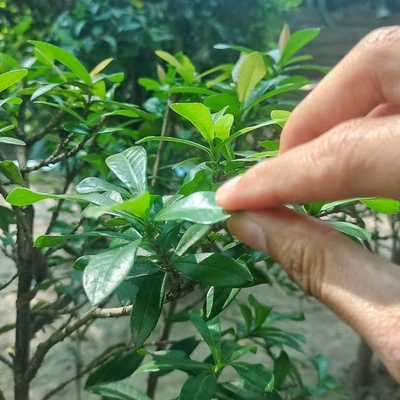
SAEDNEWS: Sticky plant leaves are usually a sign of honeydew secretions produced by sap-sucking insects, such as aphids. However, they can also result from natural plant secretions, guttation, plant injuries, or fungal diseases.
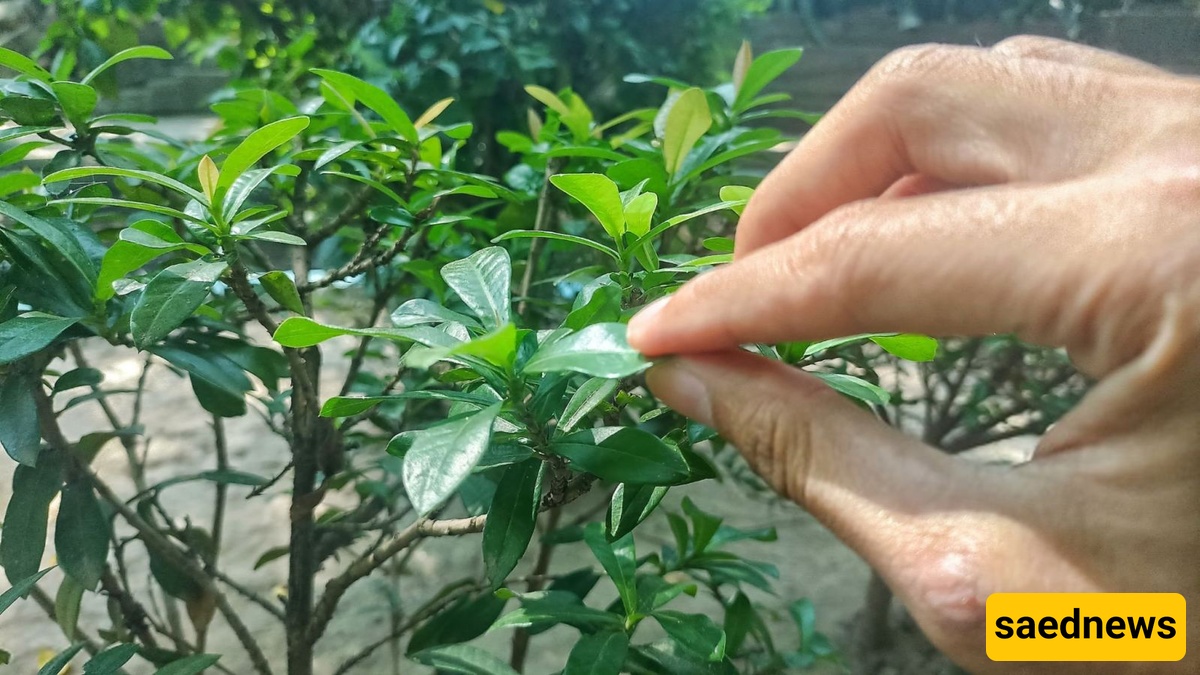
According to Saednews, If you have ever touched the leaves of a houseplant or garden plant and noticed that their surfaces feel sticky, glossy, or syrup-like, you may have encountered one of the most common yet important signs of plant health problems. Sticky leaves are not simply a cosmetic issue. In most cases, they indicate the presence of pests, diseases, or unsuitable growing conditions. If the underlying cause is not identified in time, the problem can lead to leaf drop, stunted growth, and even the death of the plant.
In more than 90% of cases, sticky plant leaves are caused by sap-sucking insects. These pests insert their mouthparts into leaf or stem tissues and feed on the plant's sap.
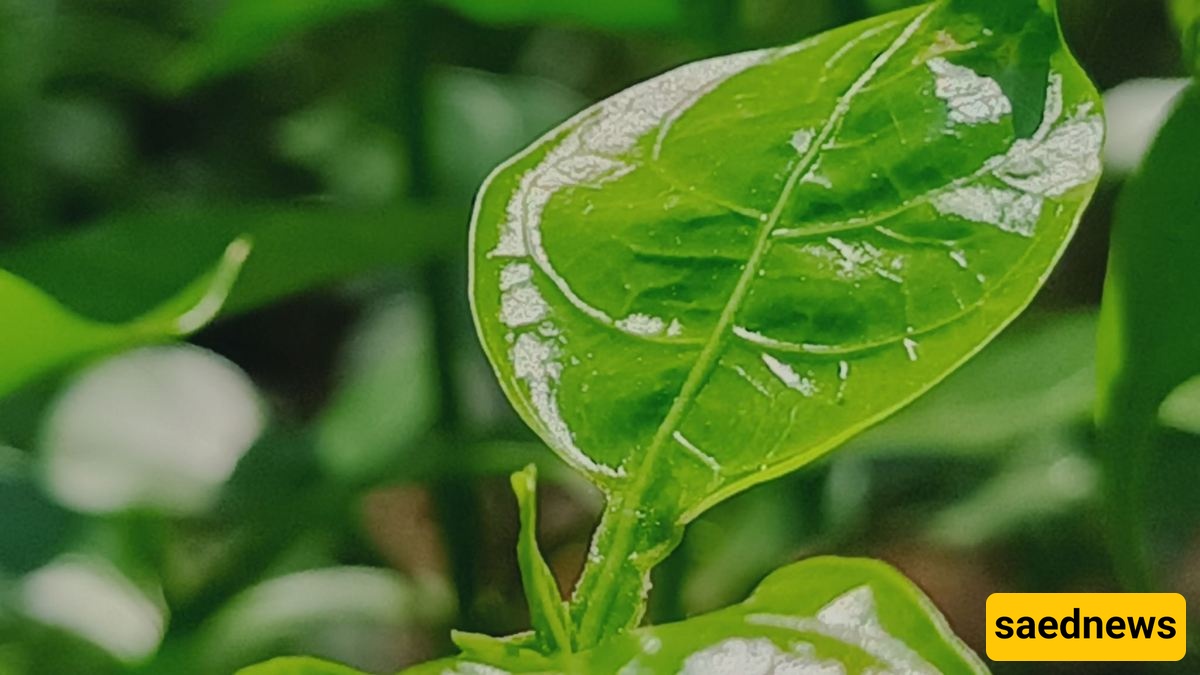
Because plant sap contains large amounts of sugar but insufficient protein to meet their nutritional needs, these insects consume considerable quantities of sap. They then excrete the excess sugar as a clear, shiny, sticky substance known as honeydew.
This honeydew accumulates on leaves, stems, and sometimes even the soil beneath the plant, creating the characteristic sticky surface.
Aphids are among the most common pests responsible for sticky leaves. These tiny insects are usually green, black, yellow, or pink and tend to gather on the undersides of leaves, young shoot tips, and around flowers.
Aphids reproduce rapidly and can form large colonies in a short period.
If the upper leaves of your plant become sticky and you notice small green or black insects nearby, there is a strong possibility that aphids are responsible.
Scale insects, including armored and soft scales, also feed on plant sap. They often appear as cotton-like clusters, small scales, or brown bumps on stems and the undersides of leaves.
Whiteflies are tiny white insects that fly away when the plant is disturbed. They produce significant amounts of honeydew, which can make leaves particularly sticky.
Psyllids are another group of sap-feeding insects that affect fruit trees and ornamental plants. Their feeding activity can cause honeydew production and leaf curling.
When sticky leaves are caused by sap-sucking insects, several additional symptoms may appear:
Tiny insects on the undersides of leaves or around leaf joints.
Yellow or white spots and scorched-looking patches on leaf surfaces.
Curling, distorted, or undersized young leaves.
Black sooty mold growing on honeydew, making leaves appear dark and dull.
Leaf drop and general plant weakness.
No. Although sap-sucking insects are the most common cause, sticky plant leaves can also result from natural processes and environmental factors.
Some plants, including certain types of ficus, geraniums, ferns, and carnivorous plants, have structures called extrafloral nectaries on their leaves.
These structures produce nectar naturally, which can attract beneficial insects such as ants and bees.
In this situation, stickiness is generally limited to specific areas of the leaf and is not necessarily a sign of disease or pest damage.
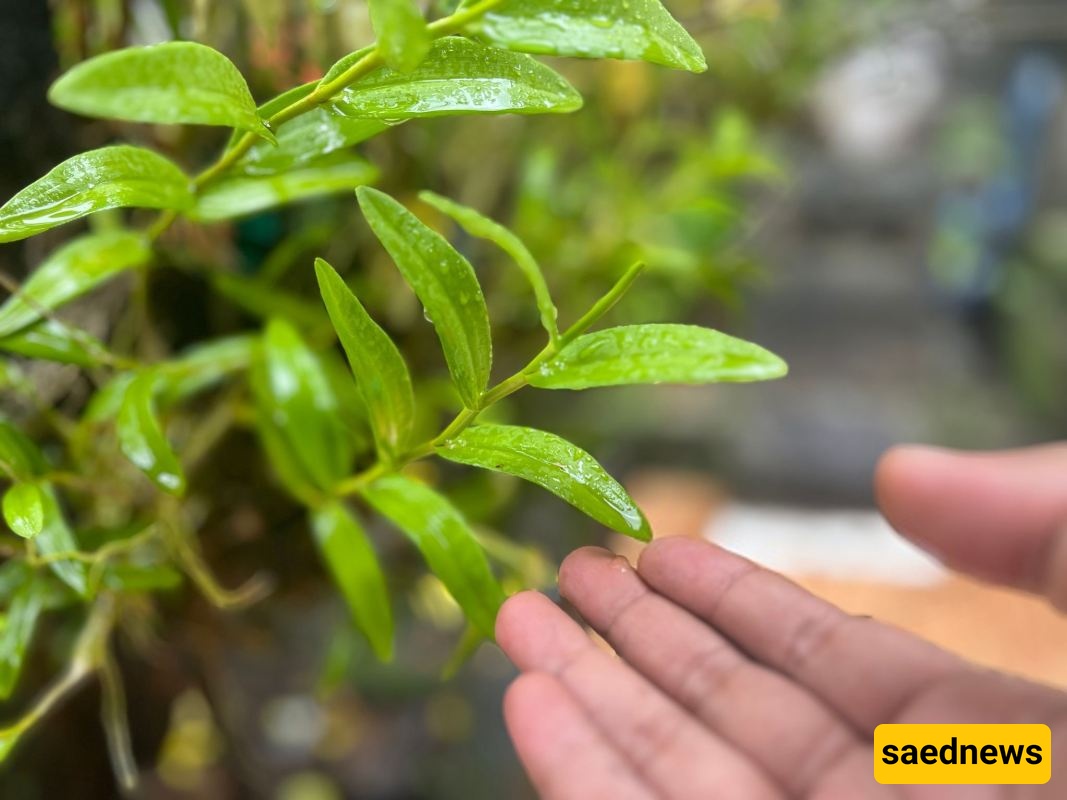
Guttation is a process in which plants release excess water through specialized pores called hydathodes, usually located along leaf edges.
The resulting droplets are generally watery. However, when the water evaporates, dissolved sugars and other substances may remain, sometimes creating a slightly sticky residue.
Guttation is most commonly observed in the early morning, particularly after heavy watering or during periods of high humidity.
When a leaf or stem is damaged by breakage, cuts, sunburn, or physical injury, plant sap may leak from the affected area.
Once the sap dries, it can leave behind a sticky coating.
This is relatively common in plants such as rubber trees (Ficus elastica), cacti, and certain sap-producing trees.
Some fungal and bacterial infections can cause slimy or sticky substances to develop on leaf surfaces.
In these cases, other symptoms may also appear, including:
Brown, yellow, or gray spots.
Unpleasant odors.
Softening or rotting plant tissues.
Bacterial diseases such as fire blight and bacterial leaf spot are examples of conditions that may cause these symptoms.
Sometimes sticky leaves are caused by environmental conditions or external substances rather than pests or diseases.
Common factors include:
Hard water: Mineral deposits left behind after spraying can create a shiny, sometimes sticky-looking layer on leaves.
Fertilizer and pesticide residues: Chemicals applied during foliar feeding or spraying may leave deposits on leaf surfaces.
Dust and air pollution: In urban environments, dust combined with moisture can create a sticky film on leaves.
Resin secretion in succulent plants: Water stress or extreme heat may cause certain plants to release resinous substances.
To determine why your plant leaves have become sticky, follow these simple inspection steps:
1. Examine the undersides of the leaves: Use a magnifying glass to look for tiny insects, cotton-like clusters, scale-like bumps, or webbing. These may indicate a pest infestation.
2. Identify where the stickiness appears: If the entire leaf surface is sticky, honeydew is a likely possibility. If the residue is concentrated along the leaf edges, guttation may be responsible.
3. Check for unusual odors: A sweet or fermented smell may indicate honeydew accumulation.
4. Look for black sooty mold: This fungus grows on sugary honeydew deposits. Its presence is a strong indication that honeydew-producing insects have been active.
5. Review your watering and fertilizing routine: Excessive fertilizer, unsuitable spraying practices, or improper watering may contribute to the problem.
6. Consider when the stickiness appears: Morning droplets may indicate guttation, while persistent or increasing stickiness is more suggestive of a pest infestation.
Sticky leaves are not usually fatal on their own, but the underlying causes can trigger a chain of problems.
Honeydew creates an ideal environment for sooty mold, which grows over leaf surfaces and interferes with light absorption and gas exchange. This reduces photosynthesis and weakens the plant.
At the same time, sap-sucking insects continuously remove essential nutrients, causing yellowing, leaf drop, reduced flowering, and general decline.
In severe cases, the combined effects of pest damage and fungal growth can seriously weaken a plant within just a few weeks.
Immediately separate an infested plant from other plants to prevent pests from spreading.
Clean affected leaves using a cotton pad dipped in water with mild soap or an appropriate diluted cleaning solution to remove honeydew and surface insects.
For minor infestations, insecticidal soap or horticultural oil can be effective options.
For more severe infestations, an appropriate systemic insecticide may be necessary. Always follow the product instructions and observe the recommended waiting period before harvesting or consuming edible crops.
For scale insects, manually removing them with a cotton swab dipped in rubbing alcohol can be particularly effective. Test a small area first to avoid damaging sensitive foliage.
Good air circulation, sufficient light, balanced watering, and avoiding excessive fertilization are important preventive measures.
Avoid spraying leaves with hard water. If necessary, use filtered water or boiled water that has been allowed to cool.
Weak and stressed plants are generally more vulnerable to pest infestations.
Providing balanced nutrition, including appropriate amounts of potassium and essential micronutrients, can help improve overall plant health and resilience.
Check the undersides of leaves and young stems at least once a week.
Early detection makes pest control much easier, more effective, and less expensive.
Sticky leaves are often an early warning sign that something is affecting your plant's health. Although aphids, scale insects, and whiteflies are the most common causes, natural processes such as guttation and nectar secretion can also produce sticky residues.
The most important step is to identify the actual cause before choosing a treatment. Regular inspection, proper watering, suitable growing conditions, and early pest management can help keep your indoor and outdoor plants healthy and prevent further damage.