SAEDNEWS: Mold growth on jam is a common problem caused by several factors. However, by following a few simple tips, you can prevent mold from developing and keep your homemade jam fresh for longer.
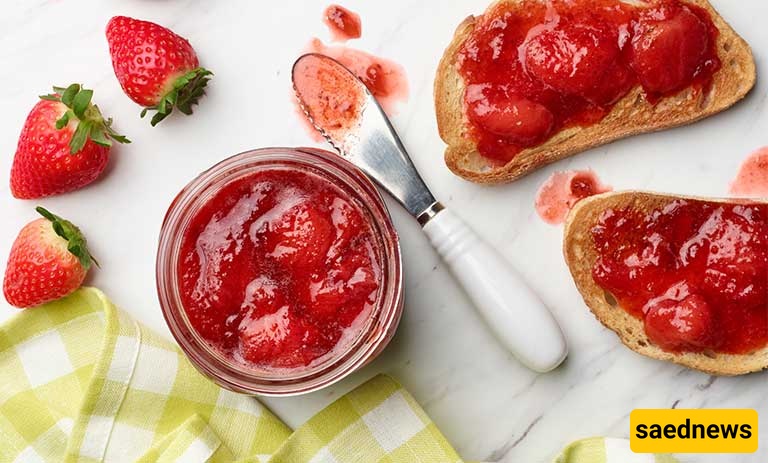
According to Saednews, Making jam is one of the traditional ways of preserving fruit. In the past, people used to boil summer fruits with sugar so they could enjoy them during other seasons of the year. Today, jam is a popular sweet treat around the world, commonly served at breakfast and used to decorate breakfast tables and welcome guests.
If you enjoy making homemade jam but are unsure about the proper preparation techniques, or if your jam develops mold after a while, read on to learn about the main causes of mold growth and practical ways to prevent it.
Mold growth is a common problem with homemade jam. The main reasons include:
One of the main reasons jam develops mold is improper cooking. If the jam is too thin, watery, or has not been cooked sufficiently to reach the proper consistency, it can develop mold much more quickly.
Another cause of mold growth is the container used to store the jam. If air and oxygen can easily enter the jar, mold is more likely to develop.
If you do not use a clean, dry spoon to take jam out of the jar, you may introduce moisture and contaminants that encourage mold growth.
It is recommended to use a clean, dry spoon whenever serving jam.
The storage jar must be completely dry. Excess moisture is one of the factors that can contribute to mold growth.
Always pour jam into a clean, dry container and use a clean, dry spoon when serving it.
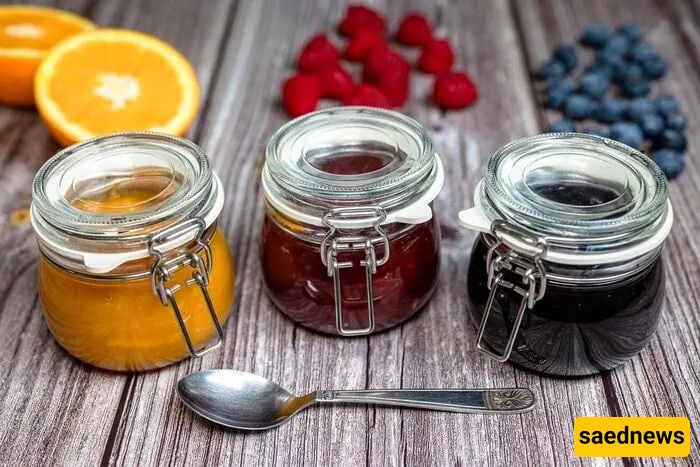
Here are some useful methods to help prevent mold from growing in homemade jam.
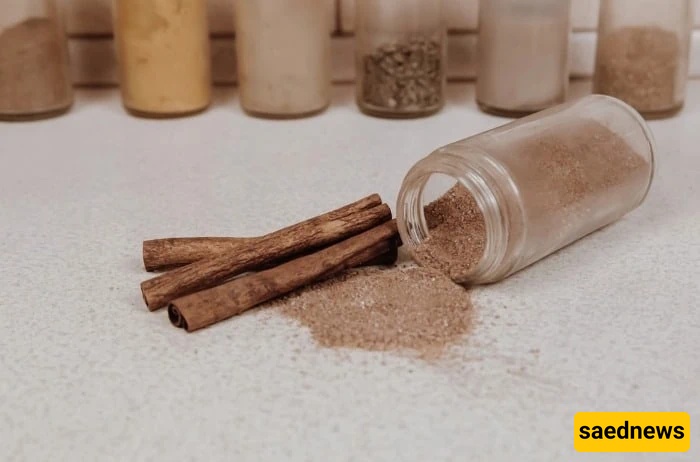
Adding a little cinnamon to jam is traditionally suggested as a way to help prevent mold. Cinnamon has antimicrobial properties that may help inhibit microbial growth.
Another suggested method is to cover the opening of the jam jar with cinnamon-treated paper before tightly closing the lid.
However, cinnamon is not a substitute for proper preservation and sterilization methods.
As mentioned earlier, watery jam is more likely to spoil.
To help prevent mold, cook the jam until it reaches the appropriate consistency. Proper cooking and the correct sugar concentration help improve its preservation.
It is best to store jam in clean, properly sterilized glass jars.
The jars should have tightly fitting lids and must be clean and dry.
To prepare jars, wash them thoroughly and dry them. The original article recommends placing them in an oven at 50°C (122°F) for 10 minutes. However, this temperature is not sufficient for reliable jar sterilization. Use a tested food-preservation method instead.
To reduce exposure to air, place the jam in a suitable jar and close the lid tightly.
The original article also suggests covering the jar opening with plastic wrap or aluminum foil before securing the lid.
Properly sealed, sterilized jars and appropriate storage conditions are more important than simply covering the opening.
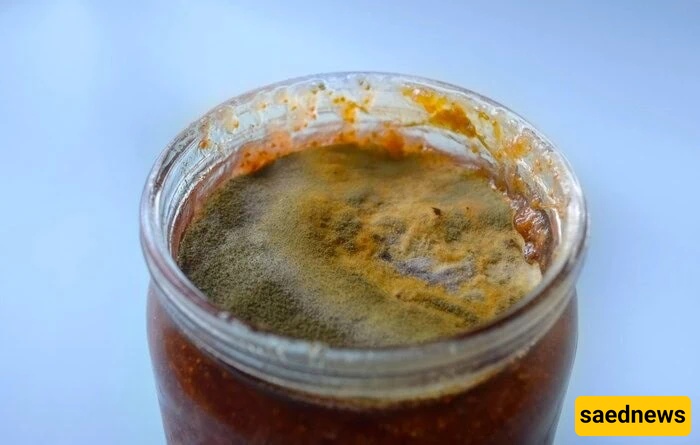
If you are wondering whether moldy jam should be discarded, the answer is yes.
It is best to throw away the entire jar of moldy jam rather than remove the visible mold and eat the remaining contents.
Mold can spread beyond the visible surface, and some molds may produce harmful substances.
Contrary to popular belief, simply boiling moldy jam does not make it safe to eat.
Although high temperatures can kill many molds, certain toxins produced by molds may remain even after heating.
Therefore, never try to save moldy jam by boiling it. Discard the entire jar.
Consuming mold-contaminated jam may cause food poisoning or other adverse health effects.
Possible symptoms include:
Vomiting
Nausea
Loss of appetite
Weakness
Some molds can also produce mycotoxins, which may pose longer-term health risks depending on the type and level of exposure.
Important food safety note: Never taste moldy jam to check whether it is safe. Discard the entire jar.