SAEDNEWS: If your espresso machine won't turn on, fails to heat water, cannot maintain sufficient pressure, or no longer produces coffee of its usual quality, you may be experiencing one of the most common espresso machine problems.
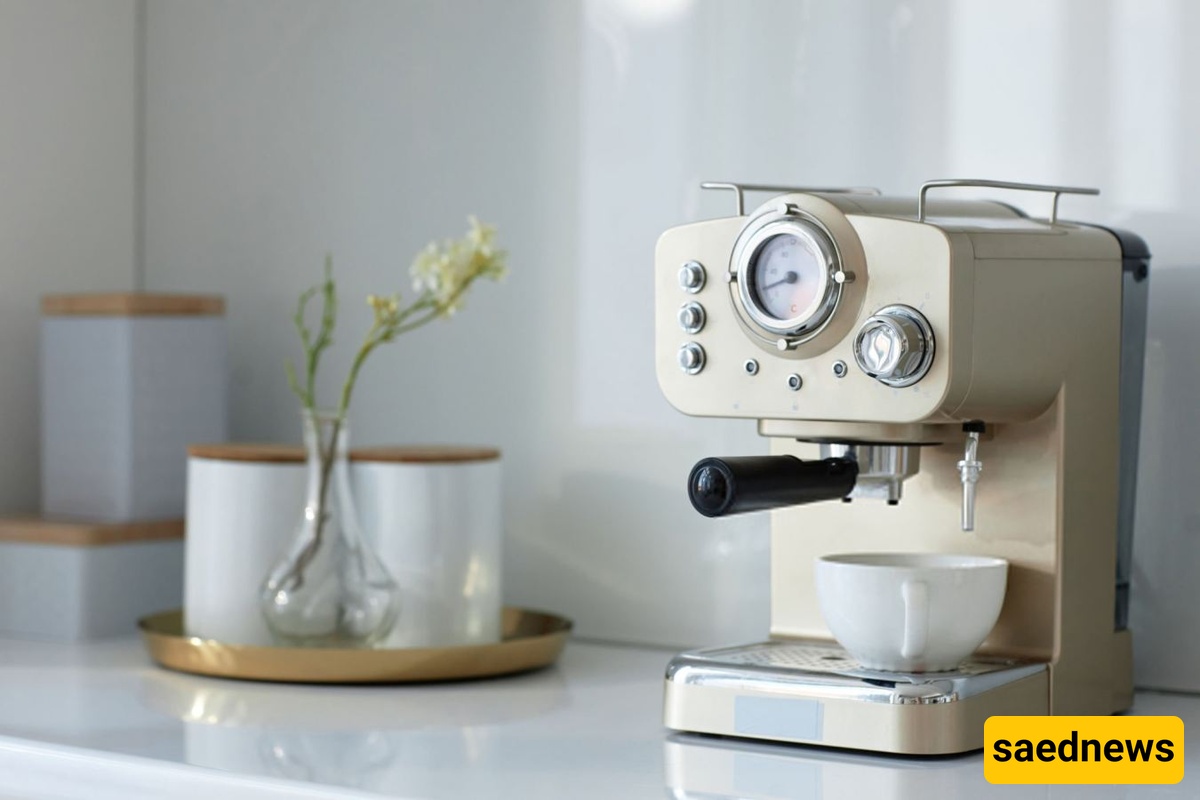
According to Saednews, If your espresso machine won't turn on, fails to heat water, struggles to maintain sufficient pressure, or no longer produces coffee of its usual quality, you may be experiencing one of the most common espresso machine problems. The question, "Why is my espresso machine not working?" rarely has a single answer. The issue could range from a simple electrical connection problem to limescale buildup, pump failure, or a malfunctioning control board.
An espresso machine consists of several components, including a water reservoir, pump, heating element, thermostat, thermal fuse, solenoid valve, group head, portafilter, steam system, and control board.
A malfunction in any of these components can lead to similar symptoms, such as the machine turning on but not dispensing coffee or failing to heat water.
Therefore, the first step in troubleshooting is to identify the exact symptoms. Is the indicator light off? Can you hear the pump running without water coming out? Is the pressure too low? Is there a water leak?
Answering these questions can help narrow down the possible causes and make troubleshooting easier.
One of the simplest and most common reasons an espresso machine stops working is a problem with its power supply.
If the machine does not turn on, start by checking the electrical outlet, power cord, on/off switch, and power strip. A faulty extension cord or an outlet with an electrical connection problem may prevent the machine from operating.
Inspect the power cord for visible damage, burns, or loose connections. If your machine has multiple operating modes, make sure the correct setting is selected.
Some machines with rotary or touch-sensitive controls may require you to hold the power button for several seconds. If the machine is connected to a timer or surge protector, check that these devices are functioning properly.
In many cases, replacing a faulty outlet or damaged power cable can resolve the issue.
Espresso machines are equipped with thermal fuses and thermostats to prevent damage caused by excessive heat.
If the machine receives power but fails to heat water, the thermal fuse may have blown or the thermostat may not be working correctly. These components are designed to interrupt the electrical circuit when temperatures become dangerously high.
A possible sign of a blown thermal fuse is that the machine's indicator light remains on while no hot water or steam is produced.
However, accurately diagnosing this problem requires a multimeter and knowledge of the machine's electrical circuit.
A replacement thermal fuse must have the same specifications as the original. Using a fuse with an incorrect temperature rating can create serious safety risks.
If you do not have sufficient technical experience, have a qualified espresso machine technician inspect these components.
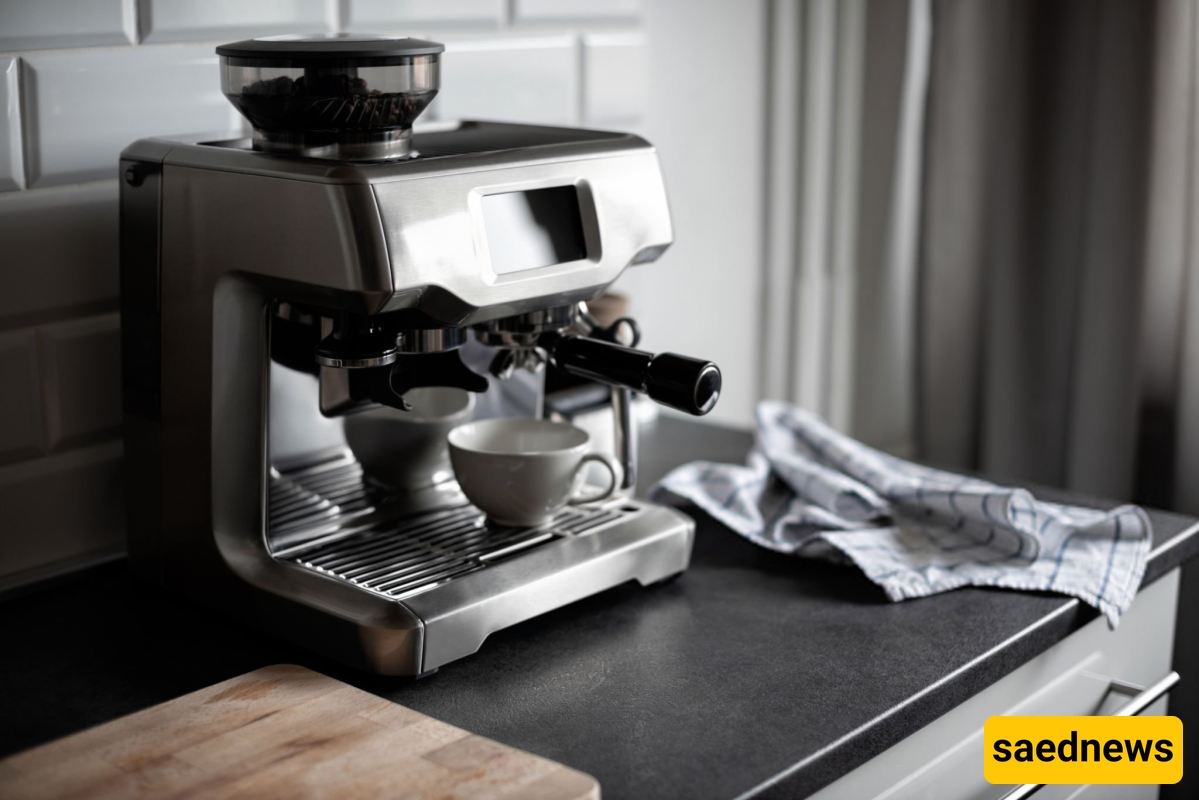
If your espresso machine turns on and makes noise but no water comes out of the group head, begin by checking the water reservoir.
Some machines have water-level sensors that prevent the pump from operating when the reservoir is empty. The tank may also be incorrectly positioned, or its outlet valve may be blocked.
In machines equipped with vibration pumps, allowing the water tank to run completely empty can cause air to enter the pump. This may require a process known as priming.
Priming generally involves opening the steam valve and allowing water to flow from the reservoir through the pump. However, the exact procedure varies depending on the machine model.
If water still does not flow after priming, the pump may be blocked or damaged.
Limescale buildup is one of the major causes of espresso machine malfunctions, particularly in areas with hard water.
Over time, calcium deposits accumulate inside the water lines, group head, solenoid valve, and steam nozzle, restricting water flow.
Common signs of limescale buildup include:
Reduced water pressure.
Irregular water flow.
Unusual pump noises.
Excessive machine heating.
Changes in coffee taste.
To prevent these problems, descale your espresso machine regularly according to the manufacturer's recommendations and your local water hardness.
Using filtered water can also help slow down mineral accumulation.
However, if the internal water passages are completely blocked, the machine may require professional disassembly and cleaning.
Always follow the manufacturer's instructions when using descaling solutions. Excessive exposure to acidic cleaning products can damage internal seals and components.
The pump is one of the most important components of an espresso machine. It generates the pressure required to extract espresso properly.
If the pump becomes weak, the machine may turn on and dispense water but fail to produce sufficient pressure for proper extraction.
As a result, coffee may flow slowly or unevenly, and the crema may be thin or poorly developed.
You may also notice changes in pump noise or intermittent operation.
Pump failure can result from limescale buildup, prolonged use, air entering the system, or general component wear.
Some pumps are adjustable, meaning their output pressure may not be correctly configured.
If your machine has a pressure gauge, check the pressure during extraction. Keep in mind that inaccurate or faulty pressure gauges can provide misleading readings.
Replacing a pump generally requires opening the machine's housing and working with its internal connections, so professional assistance may be necessary.
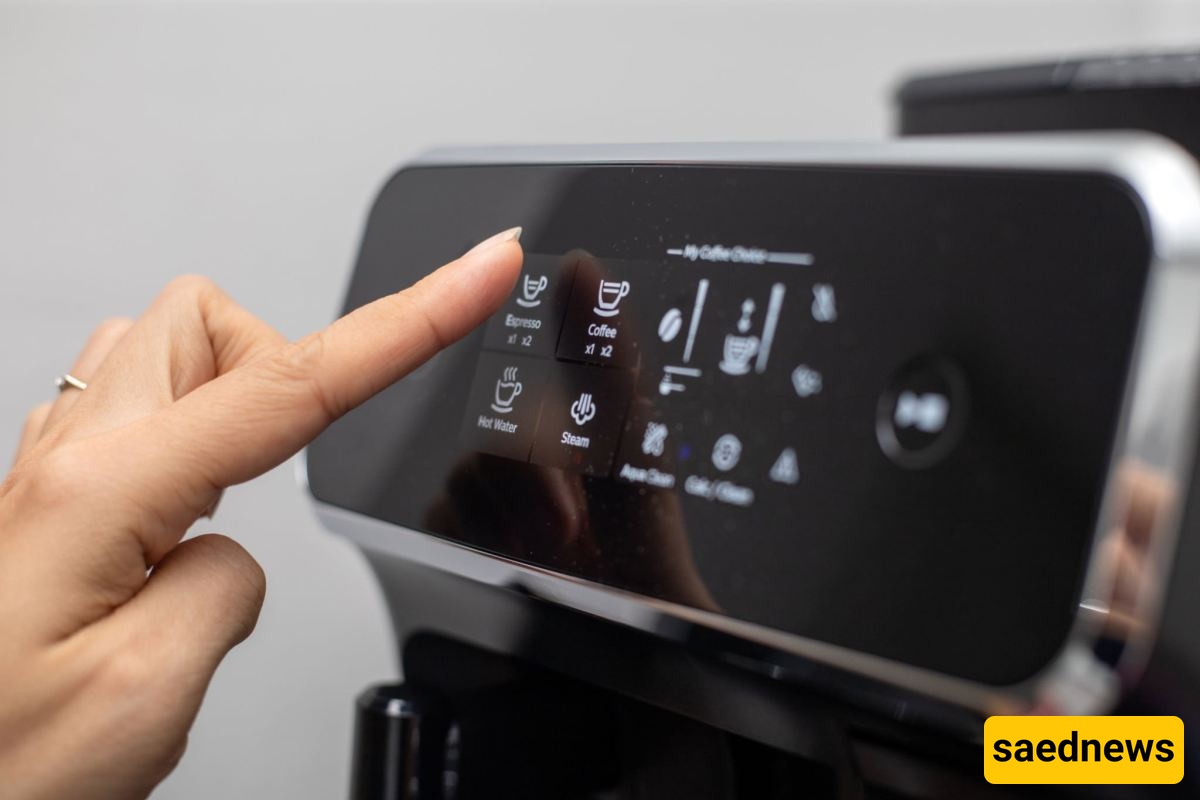
Sometimes the problem is not related to the machine's main internal components but rather to the group head or portafilter.
If the portafilter basket is overfilled, the coffee grind is too fine, or the group head gasket is worn, water may struggle to pass through the coffee.
In this situation, the espresso machine may appear to be malfunctioning even though the actual problem is related to the coffee extraction process.
Inspect the group head gasket for cracks, hardening, or signs of leakage.
Keep the portafilter basket clean and prevent coffee oils from accumulating inside it.
If water leaks around the portafilter or the pressure suddenly drops, the gasket or group head connections may need attention.
Regular backflushing, if supported by your machine, can help prevent many of these problems.
If your espresso machine turns on but does not heat water, the heating element, thermostat, or heating circuit may be faulty.
On some machines, the heating indicator light turns on even though the actual water temperature does not increase.
Possible causes include:
A burned-out heating element.
A disconnected or damaged wire.
A faulty temperature sensor.
A malfunctioning thermostat.
Weak steam production is another common problem.
If the machine does not produce enough steam, the steam nozzle may be blocked, the steam valve may be damaged, or mineral deposits may have accumulated inside the steam system.
Inspecting these components requires caution because hot steam and boiling water can cause serious burns.
Never disconnect or open internal fittings while the machine is operating.
In modern espresso machines, the control board manages essential functions such as pump operation, heating, solenoid valves, and error notifications.
If the machine experiences a power surge, moisture exposure, or water leakage, the control board may stop sending or processing commands correctly.
Some espresso machines display error codes when a malfunction occurs. In these situations, the manufacturer's user manual is the best reference for understanding the displayed message.
The solenoid valve may also become stuck due to mineral deposits or component wear.
Common signs of a faulty solenoid valve include:
No water coming out of the group head.
Water continuing to flow after the pump stops.
Internal water leakage.
Diagnosing these problems generally requires technical knowledge and specialized tools.
If your machine has a digital display and shows an error message, check the meaning of the code before attempting repairs.
Water leaks can damage an espresso machine's electronic components, internal connections, and housing.
If you notice water collecting underneath the machine or moisture around the group head, do not ignore the problem.
Leaks may originate from:
Worn or damaged gaskets.
Loose or damaged hoses.
Faulty internal connections.
A cracked or incorrectly installed water reservoir.
In some cases, internal water leakage can activate the machine's safety protection system and prevent it from turning on.
Before inspecting a leak, disconnect the machine from the electrical supply and dry any accumulated water.
If the leak originates inside the machine's housing, do not turn it on again until it has been properly inspected.
Moisture can cause electrical connections to corrode and damage the control board. Addressing leaks early is generally less expensive than replacing damaged electronic components.
Not every espresso machine problem is caused by hardware failure.
Sometimes the machine is functioning correctly, but the coffee extraction settings are unsuitable.
If the coffee grind is too fine, water may struggle to pass through the coffee bed, making it appear that the machine has insufficient pressure.
On the other hand, if the grind is too coarse, water may flow too quickly, resulting in poorly extracted espresso.
Other factors that influence extraction quality include:
The amount of ground coffee used.
Tamping pressure and consistency.
The freshness of the coffee beans.
The coffee-to-water ratio.
The quality and temperature of the water.
An empty water reservoir can also prevent the machine from operating correctly.
Some espresso machines are sensitive to water quality and mineral content, so using the recommended type of water is important.
Always consult your machine's user manual and maintain the correct coffee-to-water ratio to avoid mistaking extraction problems for mechanical failures.
An espresso machine that stops working may have anything from a minor electrical issue to a more serious mechanical or electronic failure.
Checking the power supply, water reservoir, pump, water lines, heating system, and group head can help identify many common problems.
Regular cleaning, proper descaling, using suitable water, and maintaining the correct coffee grind are essential for keeping your espresso machine in good working condition.
For problems involving internal electrical components, heating elements, control boards, or persistent water leaks, professional repair is the safest option.