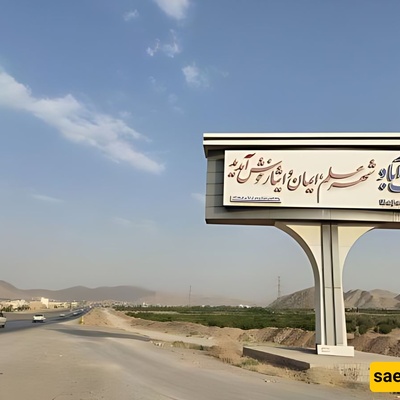
SAEDNEWS: Najafabad, the fourth most populous city in Isfahan Province, is located 27 kilometers west of Isfahan. With a rich history dating back to the Safavid era and an urban design attributed to Sheikh Bahai, the city is home to numerous historical, cultural, and natural attractions.
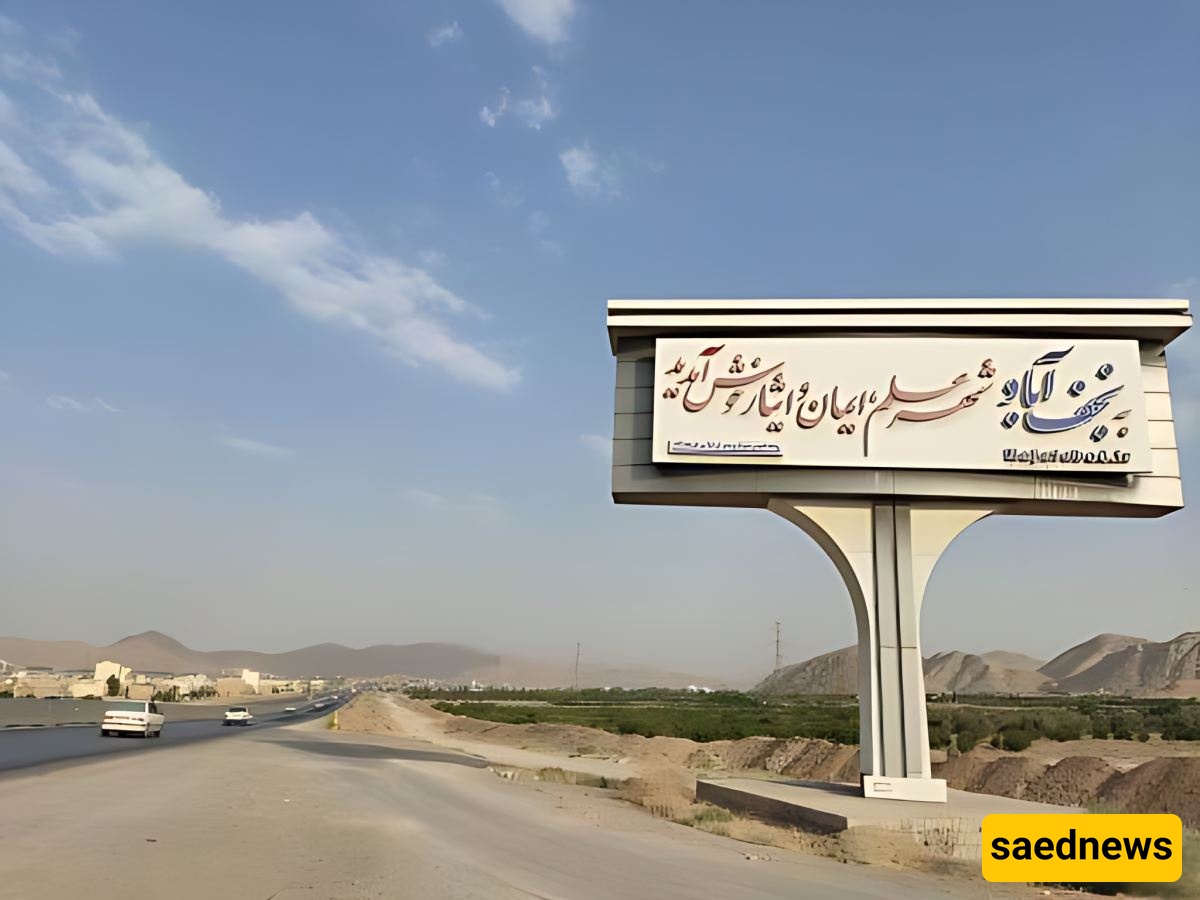
According to Saednews, Najafabad is one of the most populous cities in Isfahan Province, located approximately 25–27 kilometres west of Isfahan. Situated on a wide plain surrounded by mountains, the city covers an area of approximately 2,780 square kilometres.
Najafabad County consists of two administrative districts, Central and Mehrdasht, and six cities: Najafabad, Goldasht, Jowzdan, Alavijeh, Dehagh and Kahrizsang.
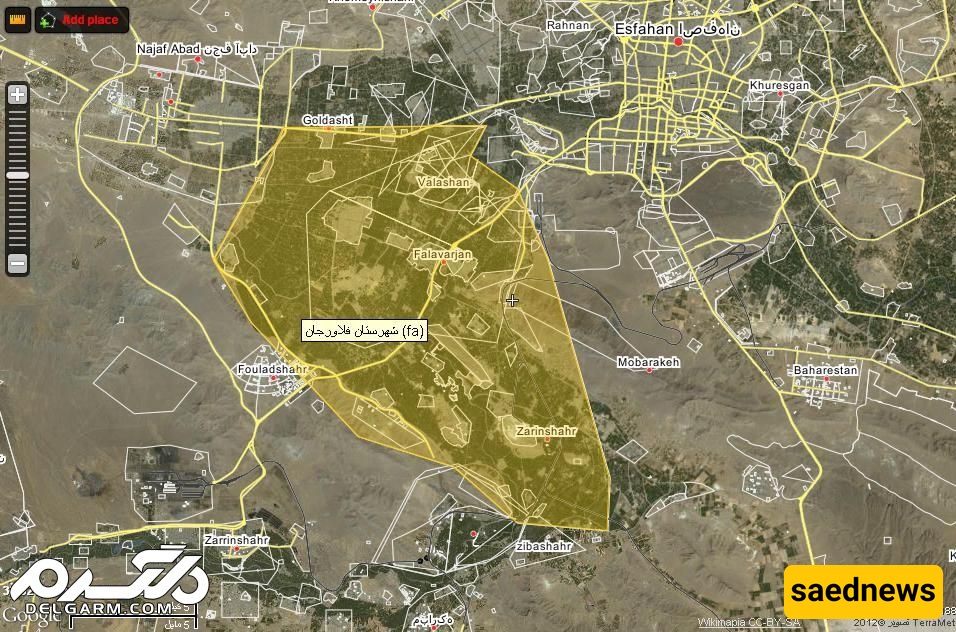
It is bordered by Borkhar and Meymeh to the north, Isfahan and Khomeini Shahr to the east, Falavarjan and Lenjan to the south, and Tiran and Karvan to the west. Its average elevation is approximately 1,655 metres above sea level.
Najafabad was established during the Safavid period, traditionally associated with the plans of the famous scholar and architect Sheikh Baha'i under Shah Abbas I.
According to a popular historical account, the city was founded using money and valuable goods originally intended for the shrine of Imam Ali in Najaf, Iraq. Instead, these resources were reportedly used to establish a new settlement near Isfahan, which was named Najafabad.
Another explanation links its foundation to agricultural development and the expansion of military industries during the Safavid era.
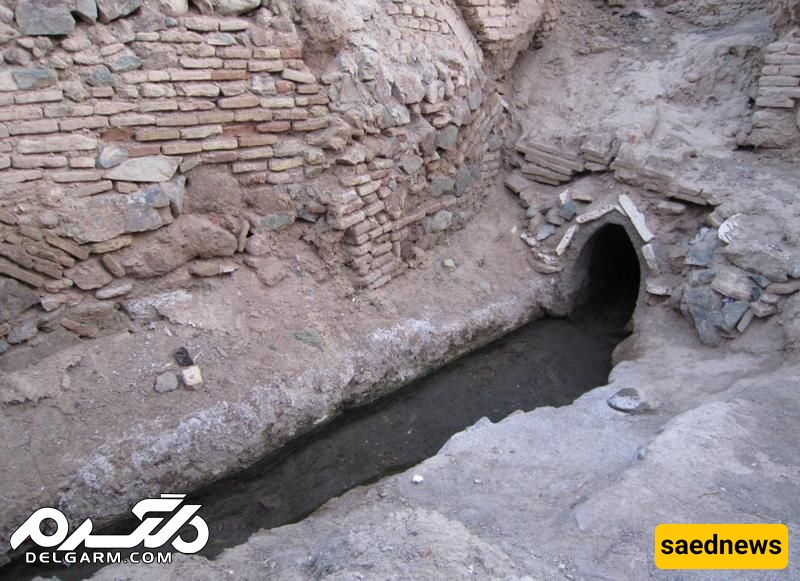
Sheikh Baha'i is also traditionally credited with designing the city's organised street network and developing extensive irrigation systems, including the historic Zarin-Kamar Qanat.
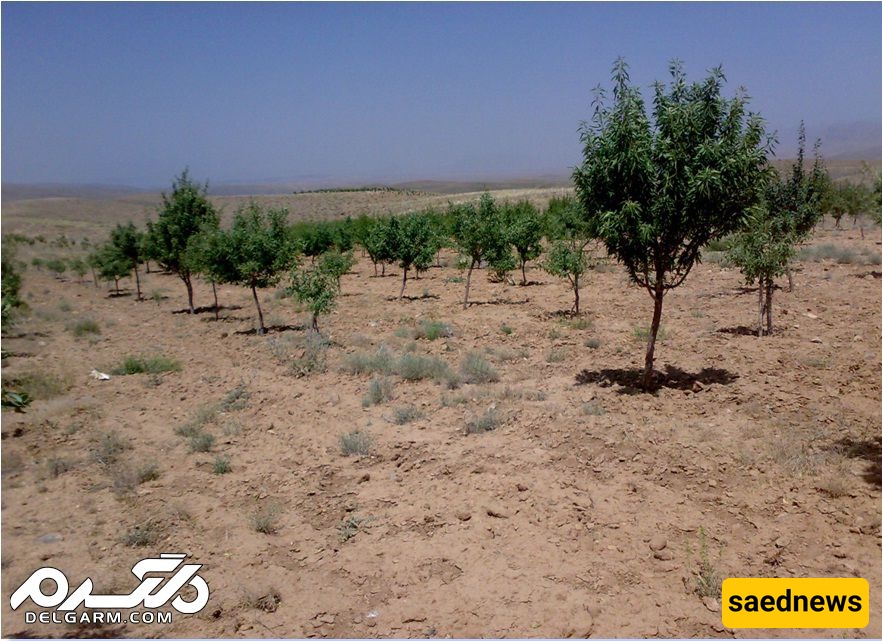
Najafabad has a warm, dry climate with relatively low annual rainfall. Historical meteorological records indicate average annual precipitation of approximately 150.6 mm and an average temperature of 14.9°C.
January is generally the coldest month, while July is the warmest. Rainfall mainly occurs between October and May, and frost is common during winter.
The surrounding region forms part of the Zagros foothills, with Dalan Kuh being one of its highest mountains, reaching approximately 3,450 metres.
The area's natural environment includes desert vegetation, drought-resistant plants and wildlife habitats.
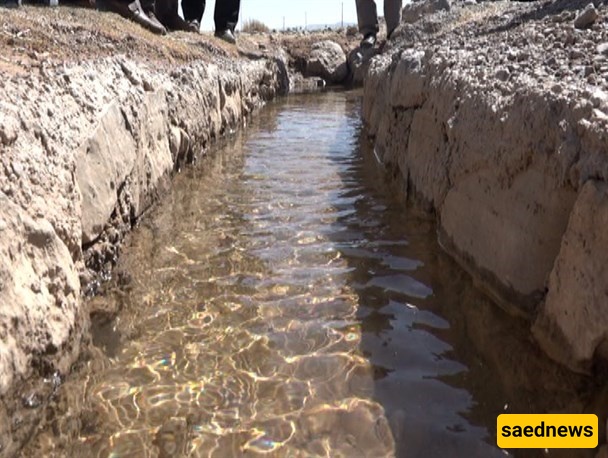
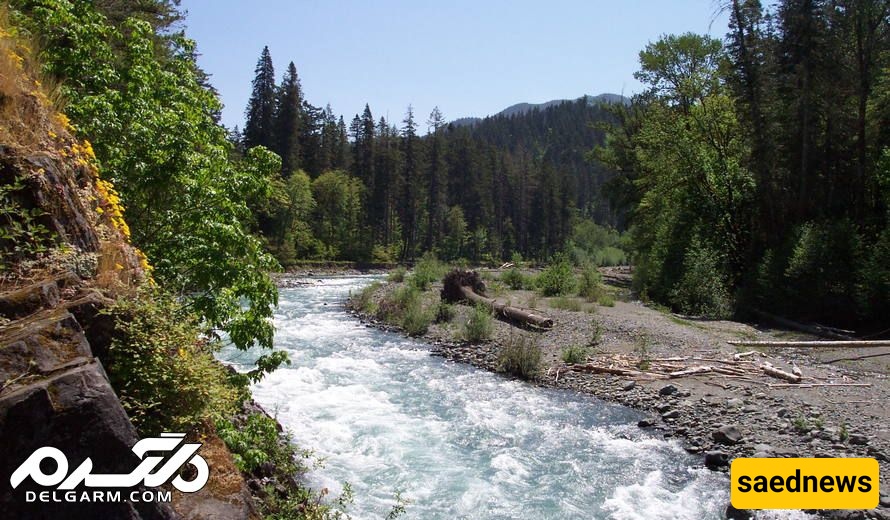
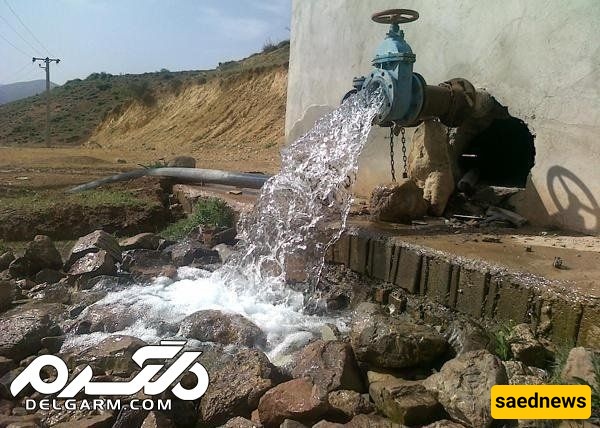
The main water resources include the Morghab River, Cheshmeh Morghab Spring and Zayandeh Rud Reservoir, as well as underground wells and traditional qanats.
Cheshmeh Morghab is particularly important for agriculture and groundwater replenishment.
Historically, numerous qanats supplied water to the region. However, excessive groundwater extraction and prolonged droughts have significantly reduced underground water reserves.
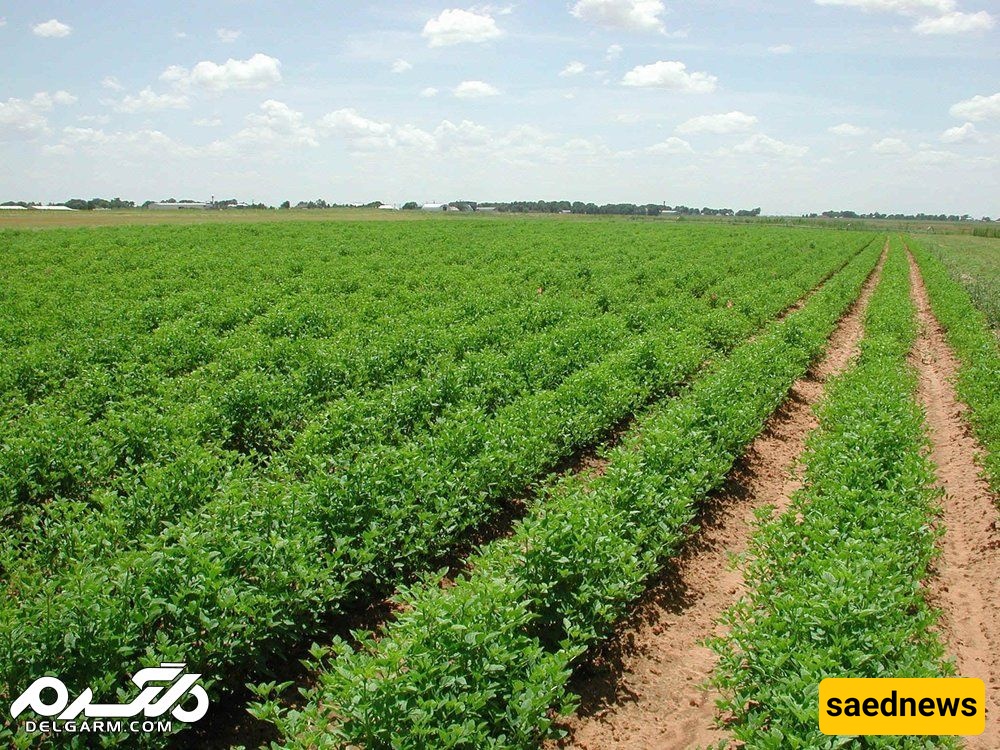
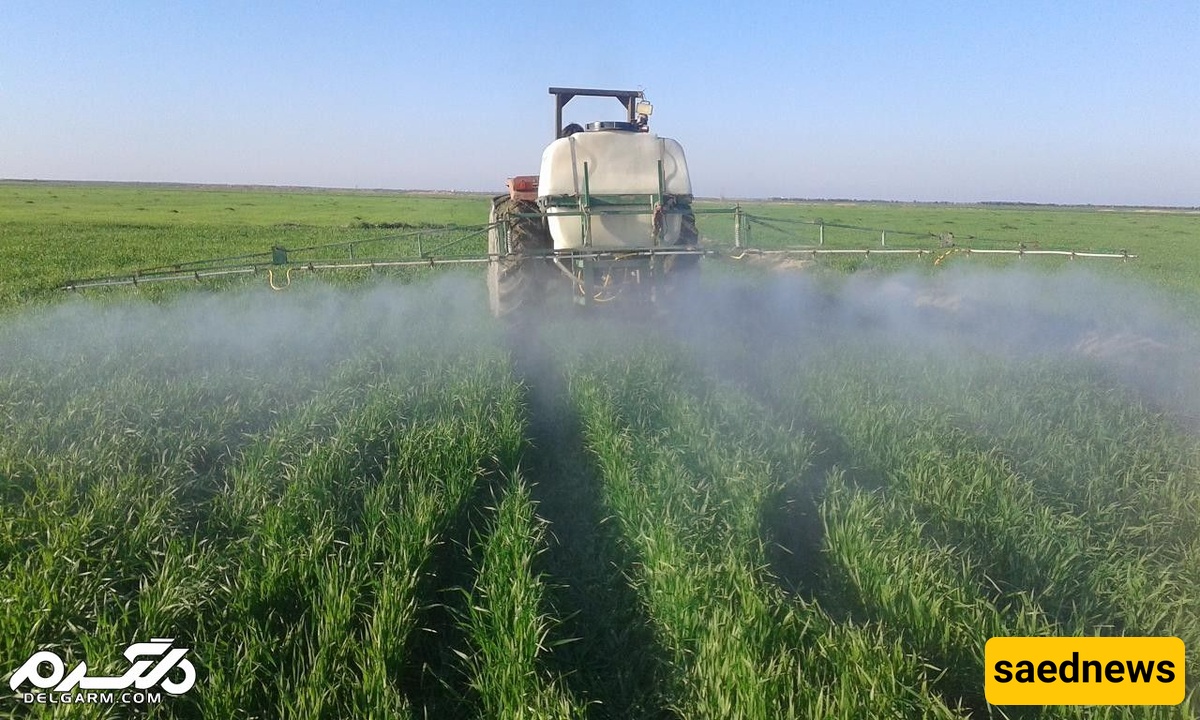
Agriculture has traditionally been an important part of Najafabad's economy.
The main agricultural products include:
Almonds and walnuts
Grapes and pomegranates
Apricots, peaches and plums
Apples, pears, figs and cherries
Wheat, barley, lentils and beans
Various vegetables and aromatic herbs
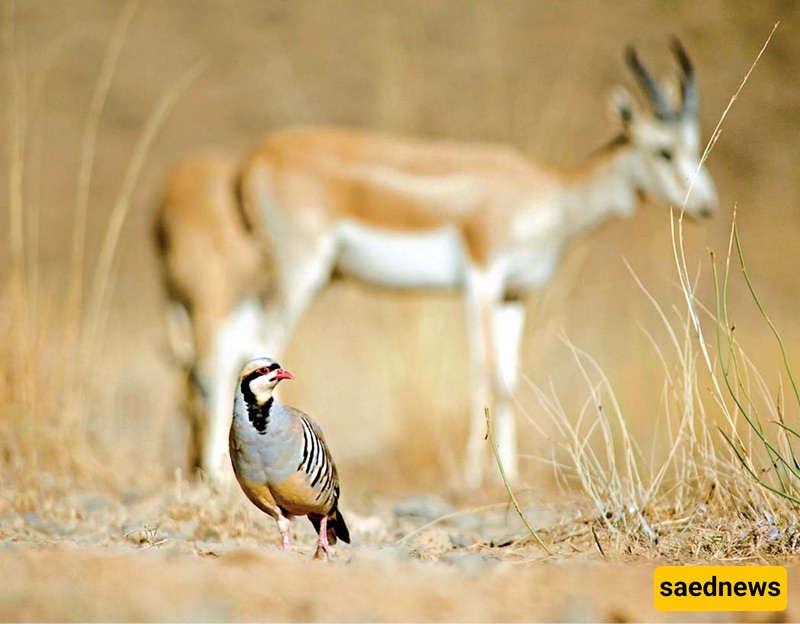
The region's vegetation consists mainly of drought-resistant desert plants, grasses and shrubs. The Ghamishloo Protected Area also provides habitats for gazelles, wild sheep, goats, wolves, hyenas and numerous bird species.
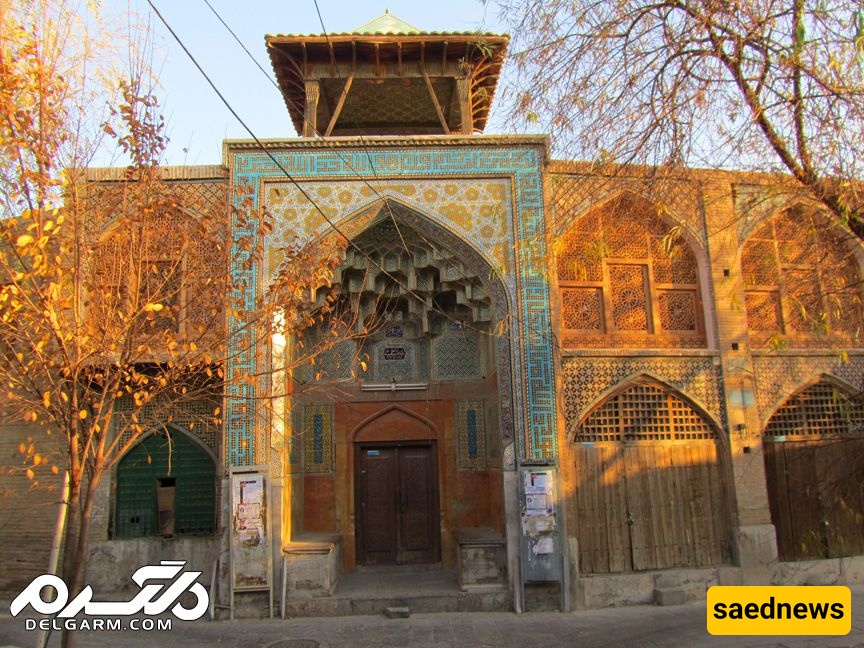
Although Najafabad has a relatively limited number of surviving ancient monuments, it contains several important historical and cultural sites.
Alavijeh Stone Fortress
An ancient fortress believed to date back to the pre-Islamic period.
Jowzdan Grand Mosque
A historic religious building containing several traditional graves.
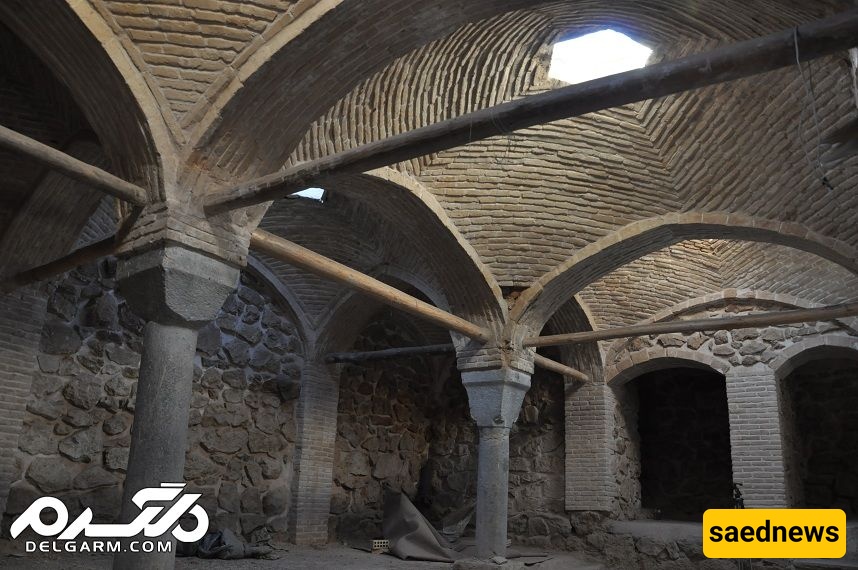
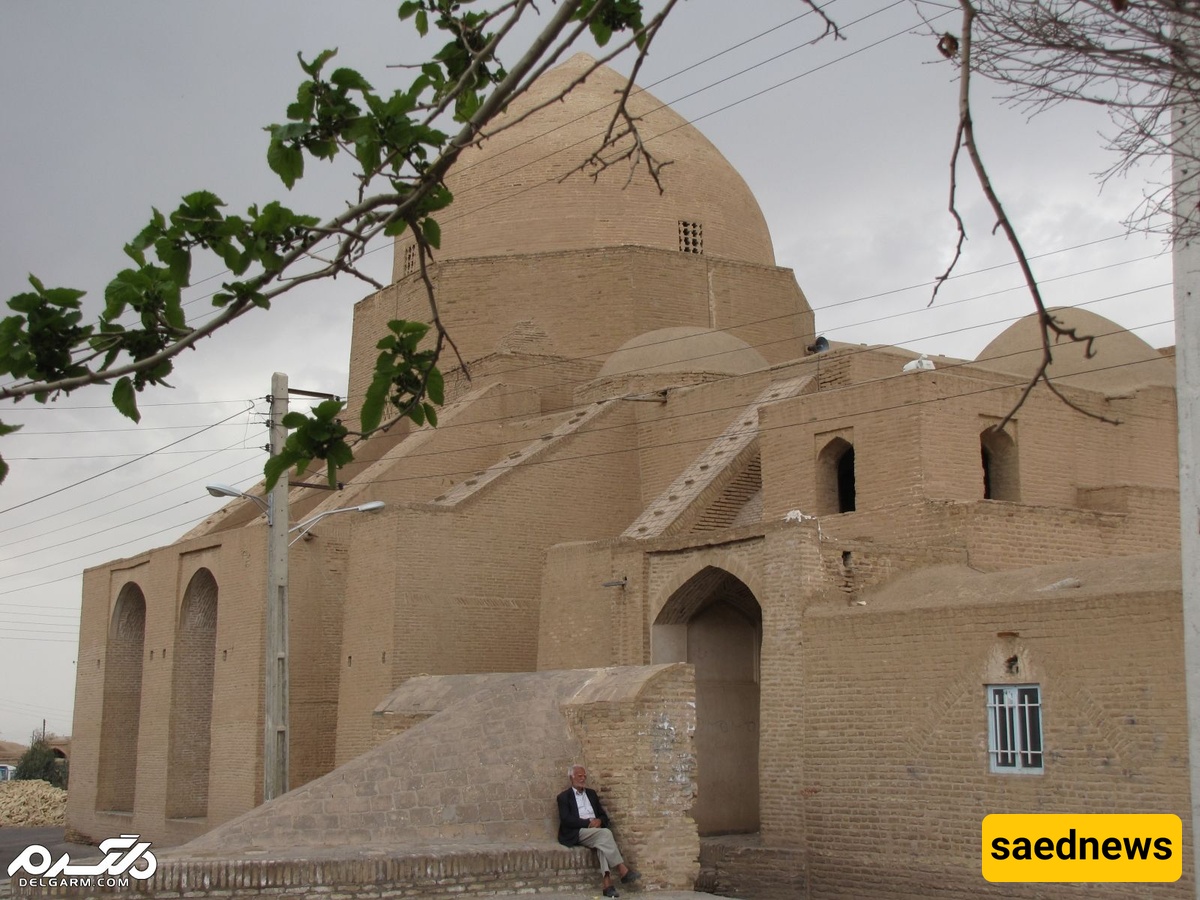
Dehagh Grand Mosque
A historic mosque traditionally attributed to the Seljuk period.
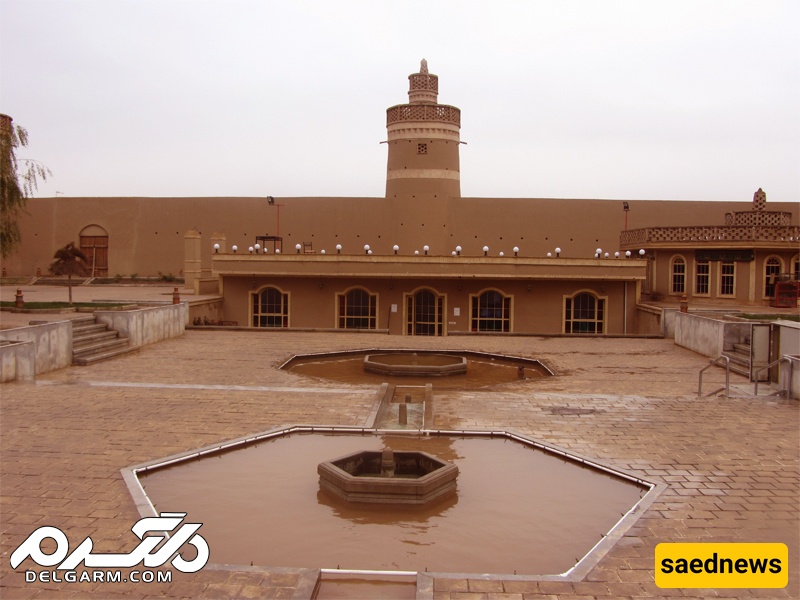
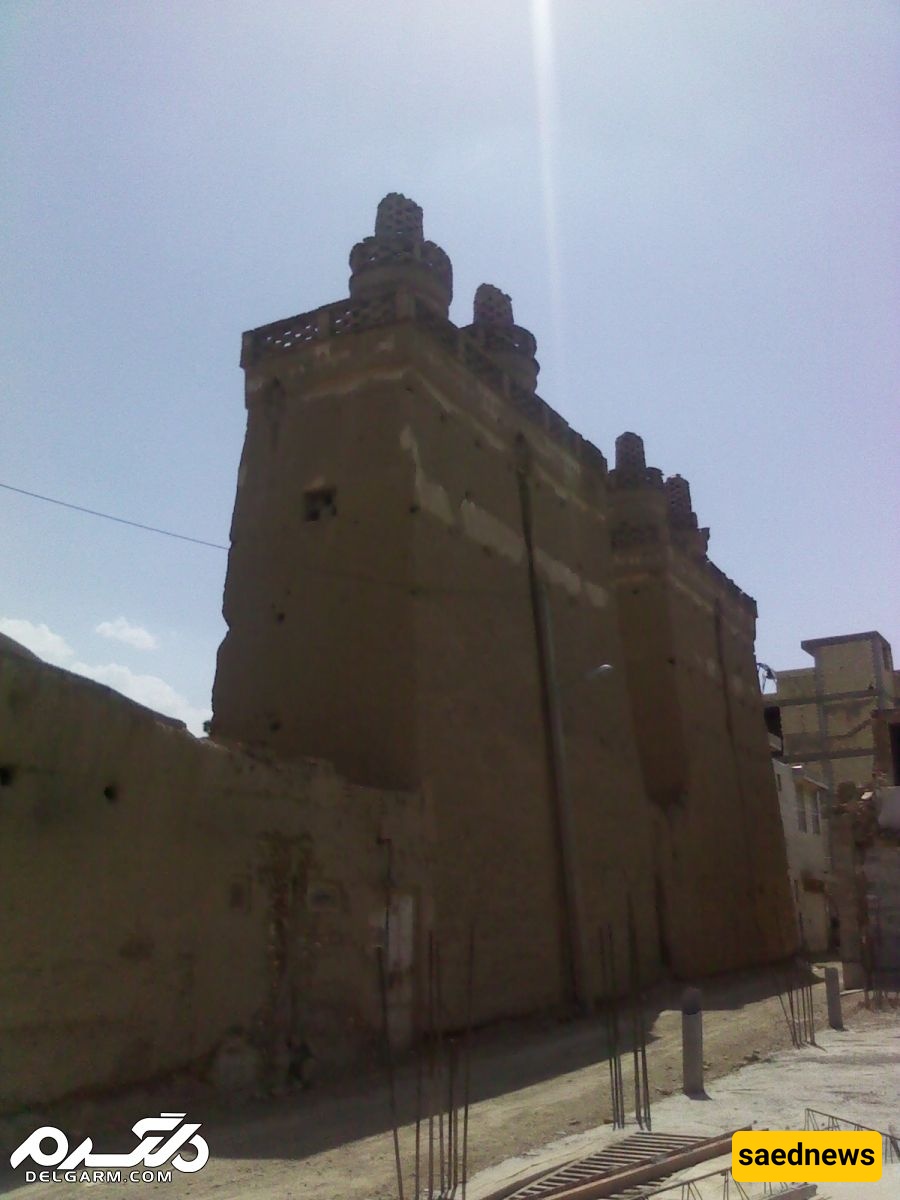
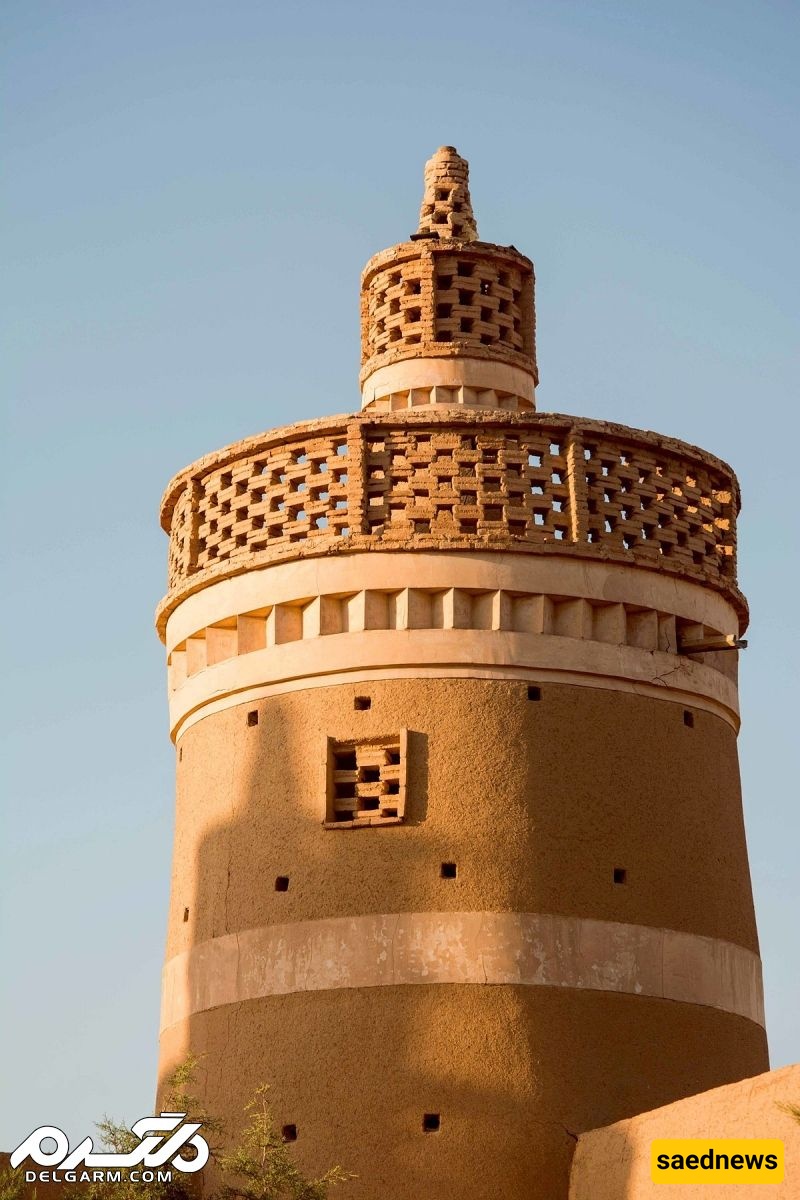
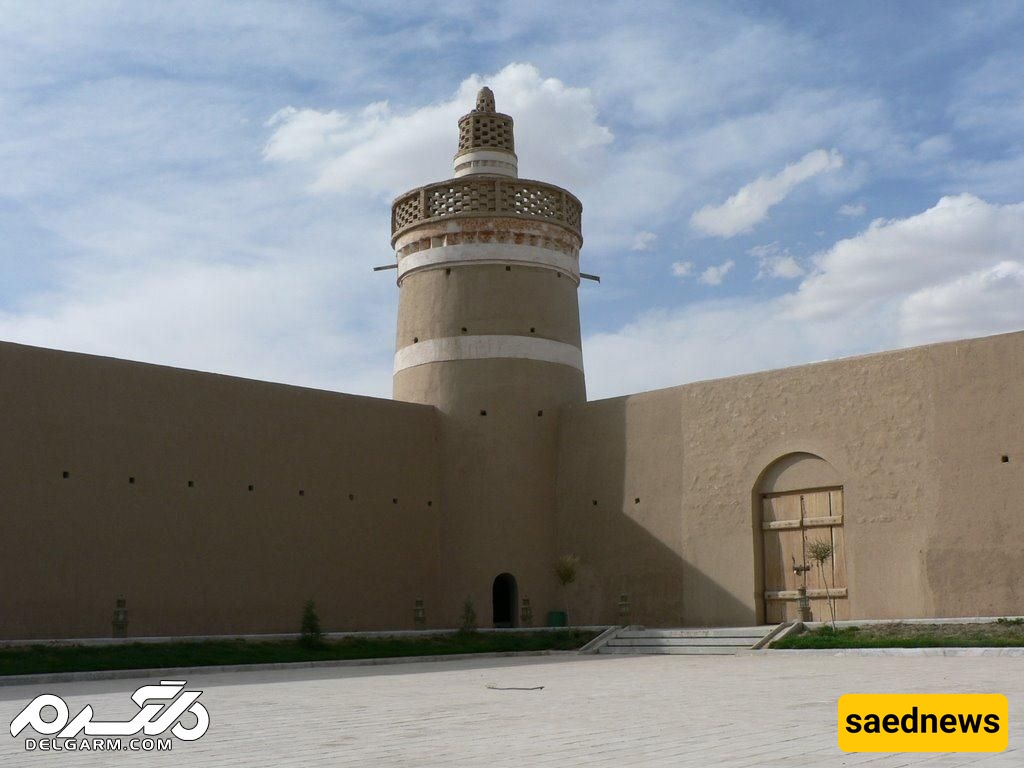
Juy Kharoun Towers
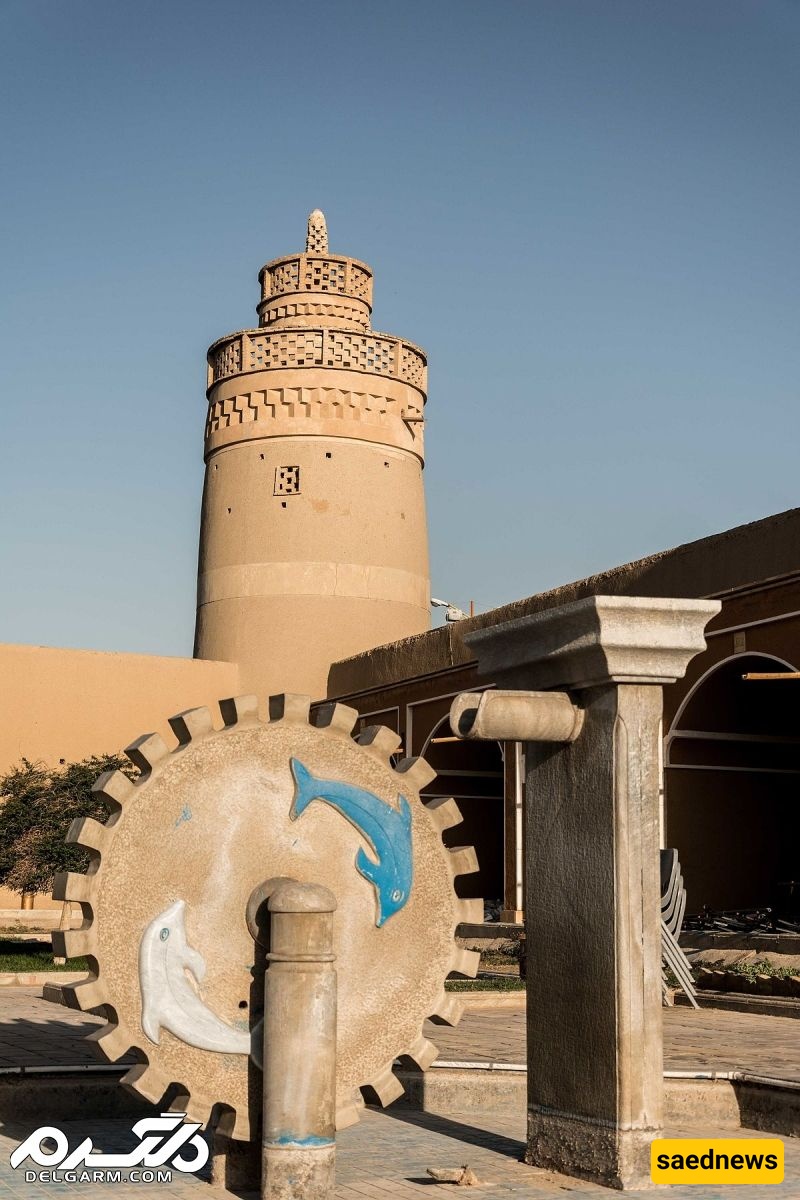
A distinctive complex of seven traditional pigeon towers connected by a high wall.
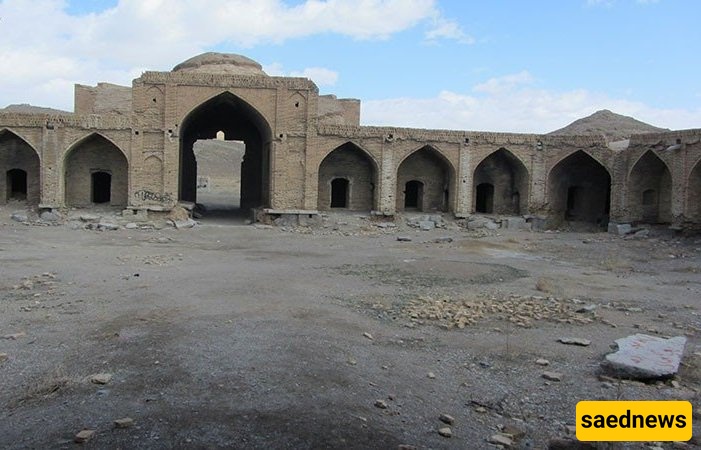
Hasnijen and Jelogir Caravanserais
Safavid-era roadside inns that once served travellers and merchants.
Ghamishloo Protected Area
A natural wildlife reserve known for its diverse animal and bird species.
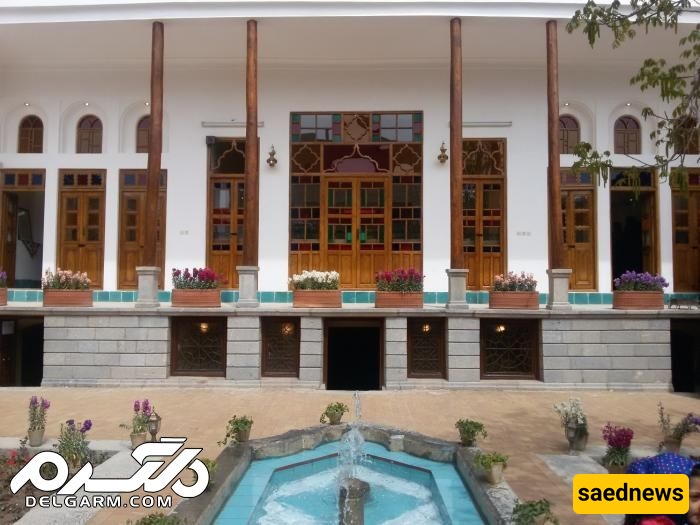
Other historical attractions include the Agha Oil-Press House, Najafabad Qanat, Kahriz Qanat and several religious shrines and pilgrimage sites.
According to historical census records, Najafabad had approximately 188,453 residents in 1996, increasing to around 277,068 by 2004.
Persian is the main language, although Turkish, Luri, Arabic and Georgian are also spoken by some communities.
The majority of the population follows Twelver Shia Islam, while Christian and Zoroastrian minorities have also historically lived in the region.
Najafabad has a rich cultural heritage, reflected in its traditional wedding ceremonies, mourning rituals and folk games.
Traditional weddings included matchmaking, engagement celebrations, the marriage contract ceremony, ceremonial gifts and family gatherings.
Funeral customs traditionally involved Quran recitations, special food preparations and memorial ceremonies on the seventh and fortieth days after burial.
Popular traditional games included Gav Jofti, Pol Cheftak, Alak Dolak and Yek Ghol Do Ghol.
Najafabad has produced several notable Iranian figures in politics, religion, literature, military service and cinema, including:
Ahmad Kazemi, military commander.
Mostafa Moeen, former Minister of Science.
Mahmoud Hojjati, former government minister.
Hossein-Ali Montazeri, religious scholar.
Ebrahim Amini, religious scholar and former Deputy Chairman of the Assembly of Experts.
Bahram Sadeghi, contemporary writer.
Kiumars Pourahmad, film and television director.
Abolghasem Payandeh, writer and translator.
Najafabad is a historically and culturally significant city in western Isfahan Province. Its Safavid heritage, traditional architecture, agricultural history, qanat systems, wildlife reserves and distinctive local customs make it an important destination for understanding the history and culture of central Iran.
It is also widely recognised by the title City of Knowledge and Sacrifice, reflecting its cultural identity and contributions to Iranian society.