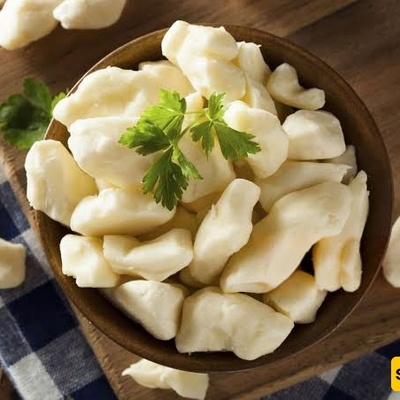
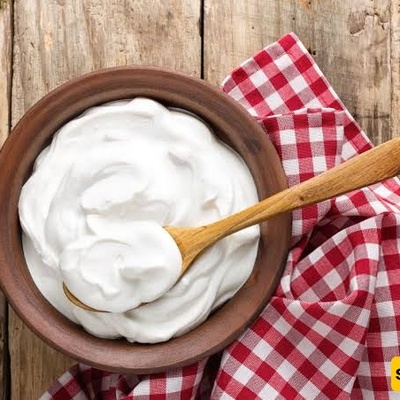
SAEDNEWS: Kashk is a traditional dairy product that holds a special place in Iranian cuisine. But is consuming it beneficial for liver health, or could it pose potential risks?
According to Saednews,
Types of Kashk
Liquid Kashk: Diluted and ready to use in traditional soups and local dishes.
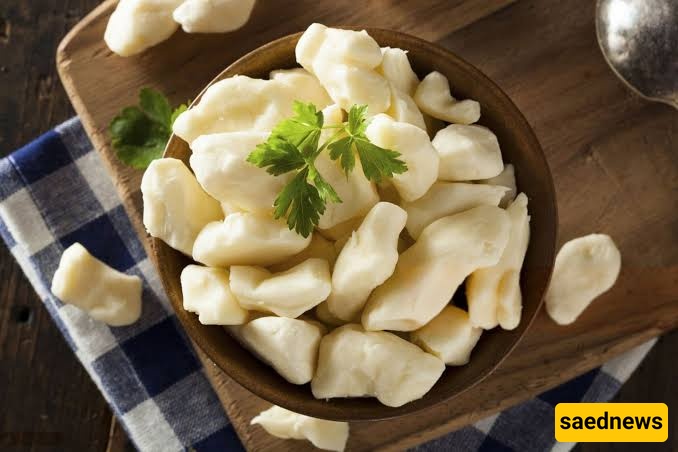
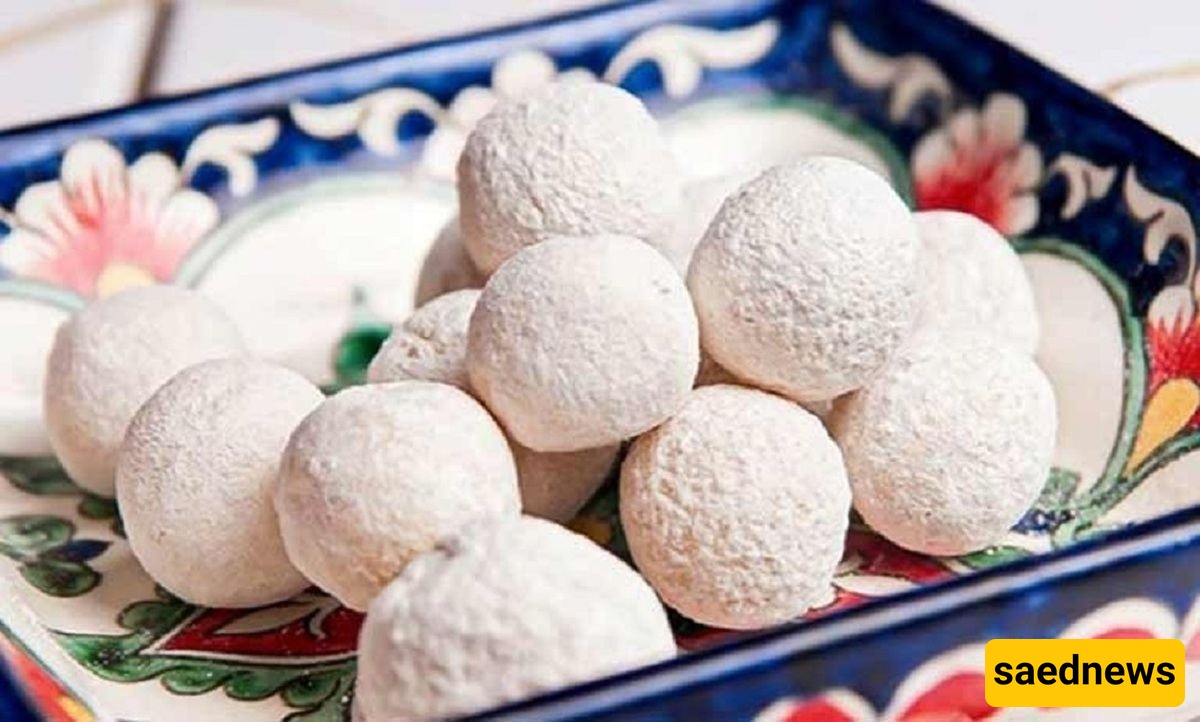
Dried or Cubed Kashk: Dehydrated for a longer shelf life and usually higher in salt.
Commercial Kashk Powder: Industrially processed, with standardized packaging and a more consistent nutritional composition.
The main concerns surrounding kashk are its sodium and saturated fat content. Studies on traditional qurut products in Central Asian countries have found that some varieties can contain very high amounts of salt, with considerable differences between brands and production methods. Therefore, nutritional recommendations cannot be applied equally to all types of kashk.
Before exploring the potential benefits of kashk, it is important to understand what a healthy liver needs.
International research highlights several dietary factors that influence liver health.
Dietary factors that support liver health:
Mediterranean diet: Research suggests that a diet rich in vegetables, legumes, olive oil, nuts, and fish may improve fatty liver indicators.
Adequate protein intake: The liver requires amino acids to produce essential proteins.
Sufficient dietary fiber: Fiber supports metabolic health by influencing blood sugar regulation and the gut microbiome.
Gradual weight loss: Clinical studies have associated losing 5–10% of body weight with significant improvements in liver health indicators.
Factors that may harm liver health:
Excessive consumption of simple sugars and industrial fructose.
High intake of saturated fats.
Excessive sodium and uncontrolled high blood pressure.
Alcohol consumption.
Unsupervised use of medications and dietary supplements.
Within this nutritional framework, kashk may offer certain benefits, but depending on its composition and how it is consumed, it may also present some health risks.
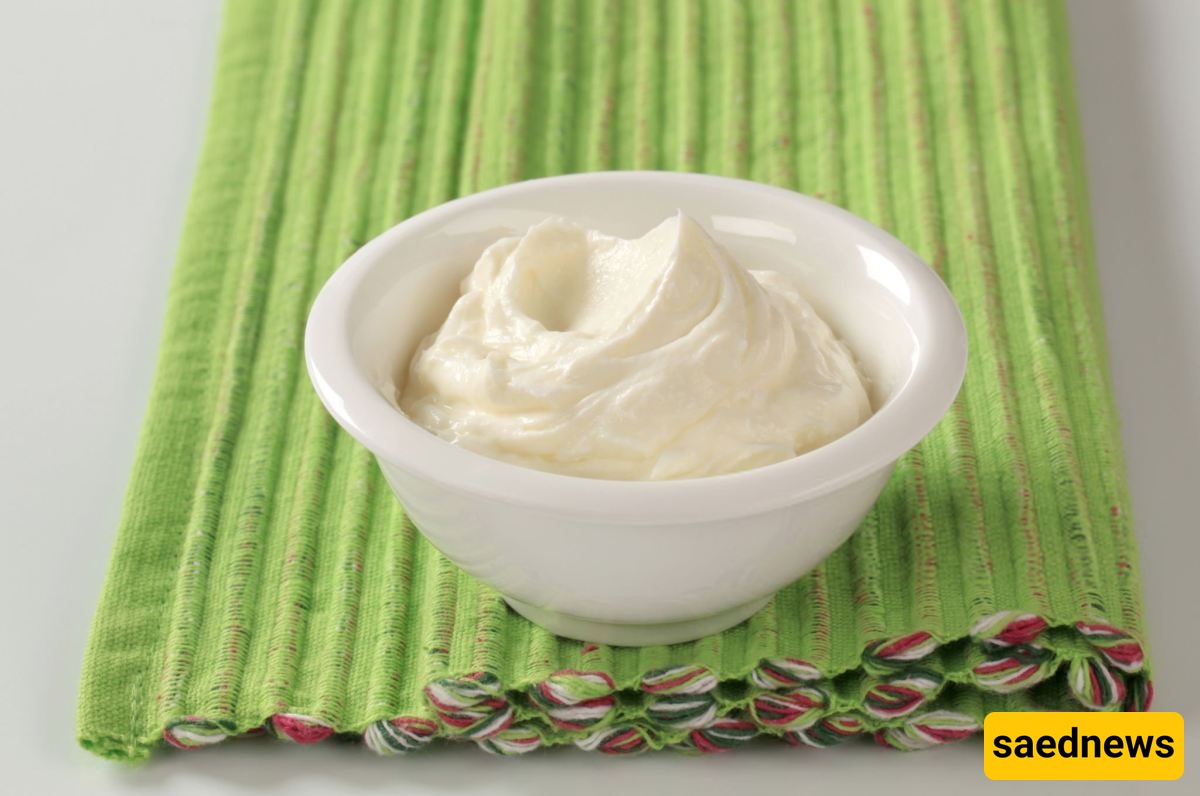
The liver produces numerous proteins every day and requires a continuous supply of amino acids to perform this function.
For people who do not consume enough protein, adding protein-rich foods such as kashk to meals may help meet their nutritional requirements.
This can be particularly important for older adults, vegetarians with unbalanced diets, and people who eat less because of reduced appetite.
An important consideration: In advanced liver diseases, such as cirrhosis, protein intake must be carefully managed by the medical team. Increasing protein consumption without professional guidance may complicate nutritional management. Therefore, the statement that protein is beneficial for the liver cannot be applied universally to every liver patient.
One of the most interesting scientific aspects of kashk concerns the relationship between gut health and liver function.
Over the past two decades, extensive research has investigated the connection between the gut microbiome and the liver.
In non-alcoholic fatty liver disease, increased intestinal permeability and changes in gut bacteria may allow substances such as lipopolysaccharides to enter the bloodstream and contribute to liver inflammation.
This relationship is known scientifically as the gut–liver axis.
Systematic reviews and meta-analyses suggest that probiotic supplementation may help reduce liver enzyme levels, including ALT and AST, and improve fatty liver indicators. However, the reported benefits are generally moderate, and the quality of available studies varies.
But does eating fermented kashk produce the same effects?
The honest answer is that direct research specifically examining kashk is very limited.
Some fermented dairy products contain live lactic acid bacteria that may influence the gut microbiome. However, processing methods such as pasteurization and dehydration, along with high salt concentrations, may reduce bacterial survival.
Therefore, if kashk contains live probiotic cultures, it may indirectly support liver health through improved digestive health. However, this should not be considered a scientifically proven treatment for liver disease.
Obesity and excess abdominal fat are among the strongest risk factors for fatty liver disease.
Foods containing adequate protein generally promote longer-lasting satiety and may help reduce overall calorie intake.
Combining kashk with fresh vegetables, legumes, and whole-grain bread can create a balanced meal containing protein and fiber while providing satisfying flavor.
On the other hand, consuming kashk with large amounts of white bread, fried potatoes, and excess oil can undermine its potential nutritional benefits.
Kashk contains calcium, phosphorus, and certain B vitamins.
Although these nutrients do not directly treat liver disease, they contribute to overall health, normal neuromuscular function, and energy metabolism.
Meeting basic nutritional requirements is particularly important for people with liver disease, who may experience reduced food intake and micronutrient deficiencies.
Hospital-based nutritional studies have also found that vitamin D and certain B-vitamin deficiencies are relatively common among people with chronic liver disease.
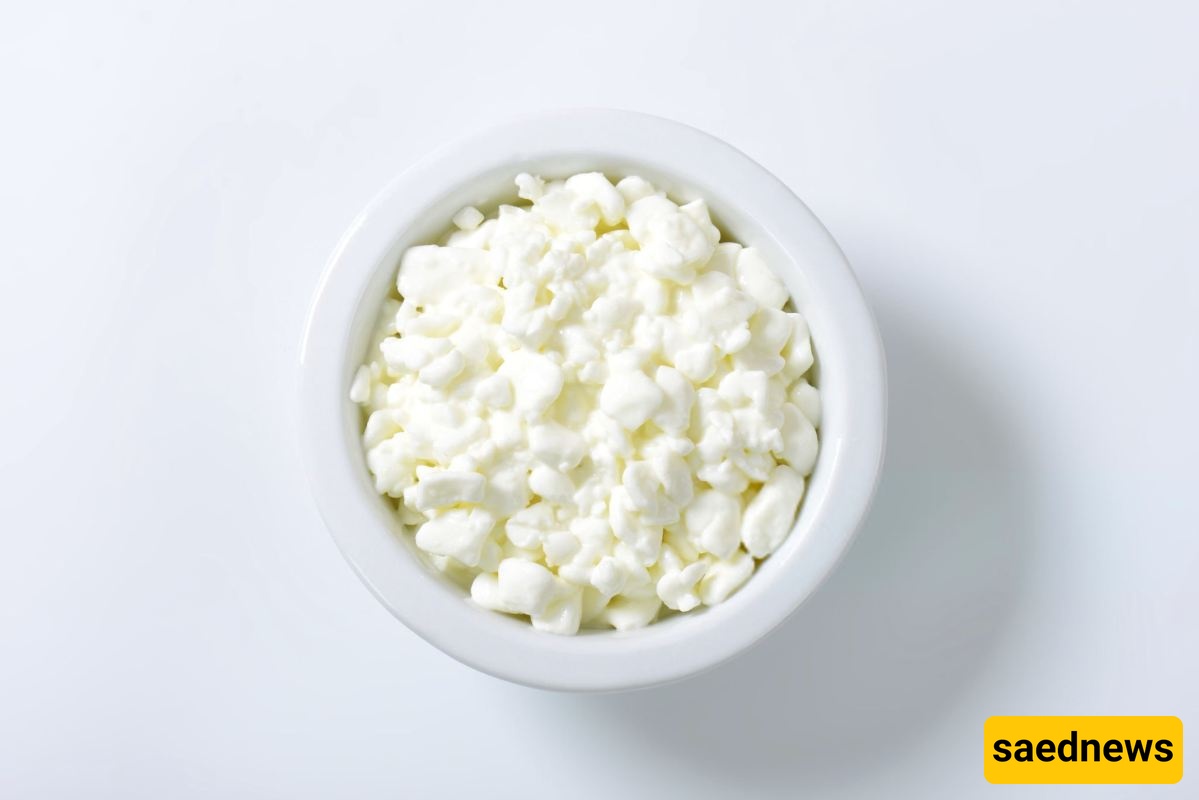
One practical but often overlooked use of kashk is as a healthier alternative to certain high-fat condiments.
In many households, fatty sauces and salty dressings add considerable calories and sodium to meals.
Using low-sodium kashk alongside vegetables can enhance flavor without adding excessive fat.
Over time, this simple substitution may help reduce calorie intake and improve overall dietary quality.
Many types of kashk, particularly traditional dried varieties, contain considerable amounts of salt.
Excessive sodium intake can increase blood pressure and may be harmful to people with cardiovascular disease, kidney problems, or certain liver conditions.
For people with cirrhosis who experience fluid retention or ascites, sodium restriction is often an important part of treatment.
These individuals should consult their physician or dietitian before including kashk in their diet.
A practical tip: Soak kashk in water and refrigerate it for several hours. Then discard the liquid that collects on top. This may reduce some of the salt content, although it will not eliminate sodium completely.
Full-fat varieties of kashk may contain higher amounts of saturated fat.
Excessive saturated fat consumption is not ideal for cardiovascular or liver health. People following a diet for fatty liver disease are generally advised to limit their saturated fat intake.
Choosing low-fat kashk can be a simple step toward improving dietary quality.
Some commercially produced kashk products contain added starch, extra salt, and preservatives.
Reading the nutritional information on product packaging is essential. Pay particular attention to sodium levels and fat content.
Products made exclusively from milk or yogurt are generally preferable to those containing unnecessary additives.
Traditional, unpasteurized kashk may occasionally contain harmful microorganisms.
For people with weakened immune systems, older adults, pregnant women, and individuals with liver disease, choosing properly pasteurized products from approved manufacturers is recommended.
The way kashk is selected and consumed can make a significant difference to its nutritional value.
Here are some practical recommendations:
Keep portions moderate: Avoid consuming large amounts every day. One or two small servings per week may be a reasonable choice for generally healthy individuals.
Choose low-sodium varieties: Read nutritional labels and select products with lower sodium content.
Combine it with vegetables: Kashk pairs well with cucumber, mint, lettuce, and other fresh vegetables.
Avoid excessive frying and added oil: Use kashk as a cold condiment or in dishes prepared with minimal oil.
Do not add extra salt: If your kashk is already salty, avoid adding additional salt to your meal.
Seek medical advice if you have liver disease: This is particularly important for people with cirrhosis, ascites, liver failure, or specific protein restrictions.
Kashk can be part of a balanced diet because it provides protein, calcium, phosphorus, and other essential nutrients. Depending on its production method, it may also contain beneficial live bacteria.
However, its potential benefits should not be exaggerated. There is currently insufficient direct scientific evidence to establish kashk as a treatment for fatty liver disease or other liver conditions.
Its high sodium content, saturated fat levels, and processing methods are important factors to consider when choosing a product.
For better liver health, prioritize a balanced diet rich in vegetables, fruits, legumes, whole grains, and healthy fats. If you enjoy kashk, choose a pasteurized, low-sodium variety and consume it in moderation.