SAEDNEWS: How Much Does One Tablespoon of Cream Weigh? A Guide to Accurate Cooking and Baking Measurements
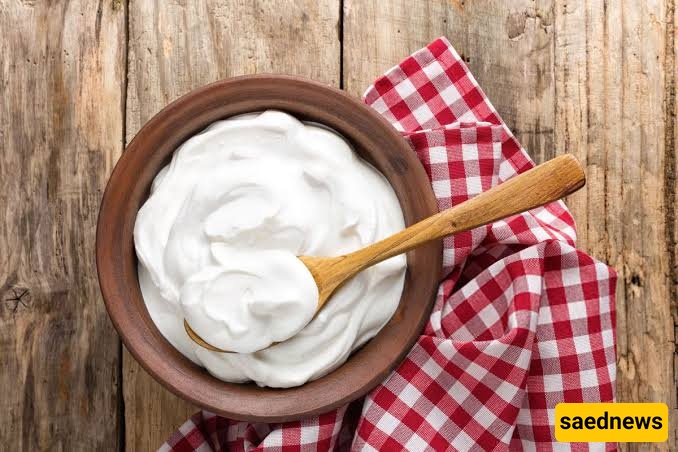
According to Saednews, Measuring ingredients accurately is one of the most important steps in cooking and baking. Precise measurements help maintain the right texture, flavor, and overall quality of a dish or dessert. Many recipes list ingredients using measurements such as tablespoons, teaspoons, cups, or grams.
One common question is: How many grams does one tablespoon of cream weigh?
The answer depends on the type of cream, its fat content, temperature, and how the spoon is filled. However, as a general guideline, one level tablespoon of regular liquid cream weighs approximately 15 grams.
This article explains tablespoon-to-gram conversions for different types of cream, provides a practical measurement chart, and covers proper measuring techniques and common mistakes.
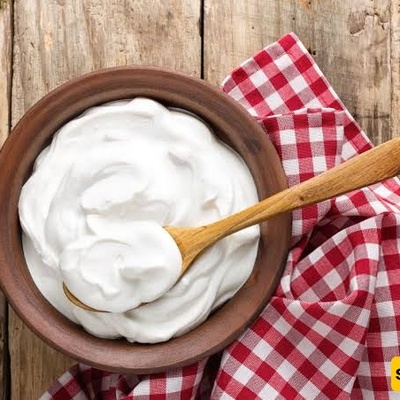
One standard level tablespoon of regular liquid cream, whether full-fat or low-fat, weighs approximately 15 grams. This is roughly equivalent to 15 milliliters.
However, this is an approximate measurement commonly used in home cooking.
A heaped tablespoon: Approximately 18–20 grams.
A level tablespoon of whipped cream: Approximately 7–8 grams, because of the air incorporated during whipping.
Therefore, it is important to consider the type of cream and measuring method before adding it to a recipe.
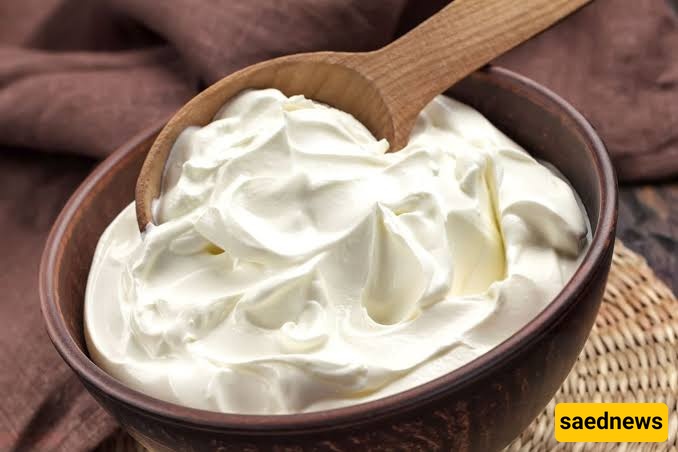
Several factors can affect the weight of cream in a tablespoon.
Type of cream: Heavy cream, low-fat cream, breakfast cream, whipped cream, and sour cream have different densities and textures.
Temperature: Cold cream is generally thicker and holds its shape better, while warmer or thinner cream may spread differently inside the spoon.
Spoon size: Household tablespoons can vary in capacity, typically ranging from 10 to 20 milliliters. A standard measuring tablespoon holds 15 milliliters.
Measuring technique: A level tablespoon, a full tablespoon, and a heaped tablespoon do not contain the same amount of cream.
For professional baking, measuring ingredients with a kitchen scale in grams is recommended for greater accuracy.
Heavy cream is one of the most commonly used types of cream in cooking. One level tablespoon weighs approximately 15 grams. A generously filled tablespoon may weigh up to 18 grams.
For most everyday recipes, 15 grams is a suitable estimate.
Low-fat cream and table cream have densities similar to regular cream. One tablespoon generally weighs between 14 and 16 grams.
The difference is relatively small, so 15 grams is a practical estimate for home cooking.
Whipped cream is lighter because air is incorporated during whipping. One tablespoon of whipped cream typically weighs approximately 7–8 grams.
If the cream is whipped until very firm, its weight may vary slightly. Therefore, you should not assume that one tablespoon of whipped cream weighs 15 grams.
Sour cream has a thick, relatively dense consistency. One level tablespoon typically weighs around 14–16 grams.
Depending on the brand and moisture content, the weight may vary slightly. For everyday cooking, 15 grams is a reasonable estimate.
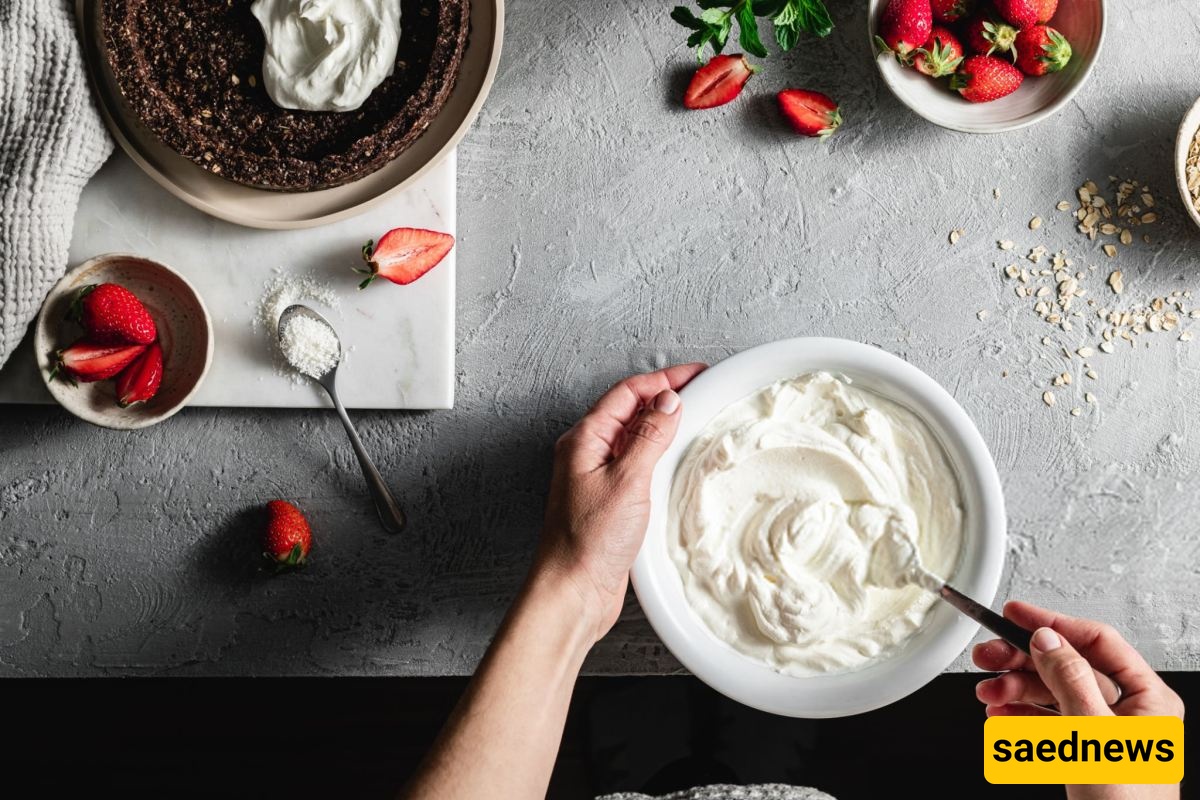
The following chart is based on regular liquid cream measured with standard level tablespoons.
Cream Weight | Approximate Tablespoons |
|---|---|
15 grams | 1 tablespoon |
30 grams | 2 tablespoons |
50 grams | 3–3.5 tablespoons |
100 grams | 6.5–7 tablespoons |
150 grams | 10 tablespoons |
200 grams | 13 tablespoons |
250 grams | 16–17 tablespoons |
For cup measurements, one standard 240 ml cup of liquid cream weighs approximately 240 grams.
½ cup: Approximately 120 grams
¼ cup: Approximately 60 grams
1 cup: Approximately 240 grams
These measurements are approximate. A digital kitchen scale is the best option when precise quantities are required.
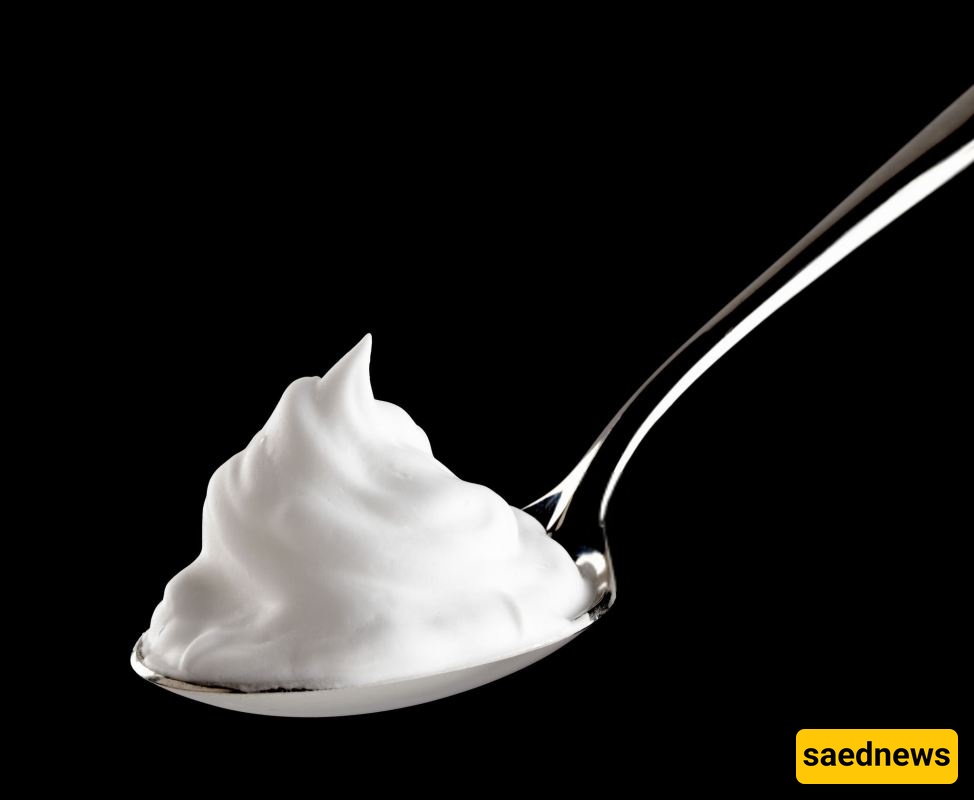
To measure cream accurately using a tablespoon, follow these simple steps:
Choose a standard 15 ml measuring tablespoon.
Stir the cream until its consistency is smooth and uniform.
Fill the tablespoon with cream.
Level the surface using the back of a knife or the edge of the container.
This technique is known as the level tablespoon method and is suitable for most cooking and baking recipes.
If a recipe specifically calls for a heaped or generously filled tablespoon, use a larger amount.
For precision-sensitive recipes, especially baked goods and pastry creams, a digital kitchen scale is strongly recommended. It minimizes measurement errors and helps produce consistent results.
Some common mistakes can lead to inaccurate measurements:
Using different household spoons: Not all household tablespoons have the same capacity. A standard measuring tablespoon holds 15 ml.
Measuring whipped cream like liquid cream: Whipped cream contains air and weighs considerably less per tablespoon.
Confusing level and heaped tablespoons: A heaped tablespoon can contain several grams more than a level tablespoon.
Ignoring temperature: Cream consistency changes with temperature, which can affect how it fills a spoon.
Being aware of these differences helps improve measurement accuracy.
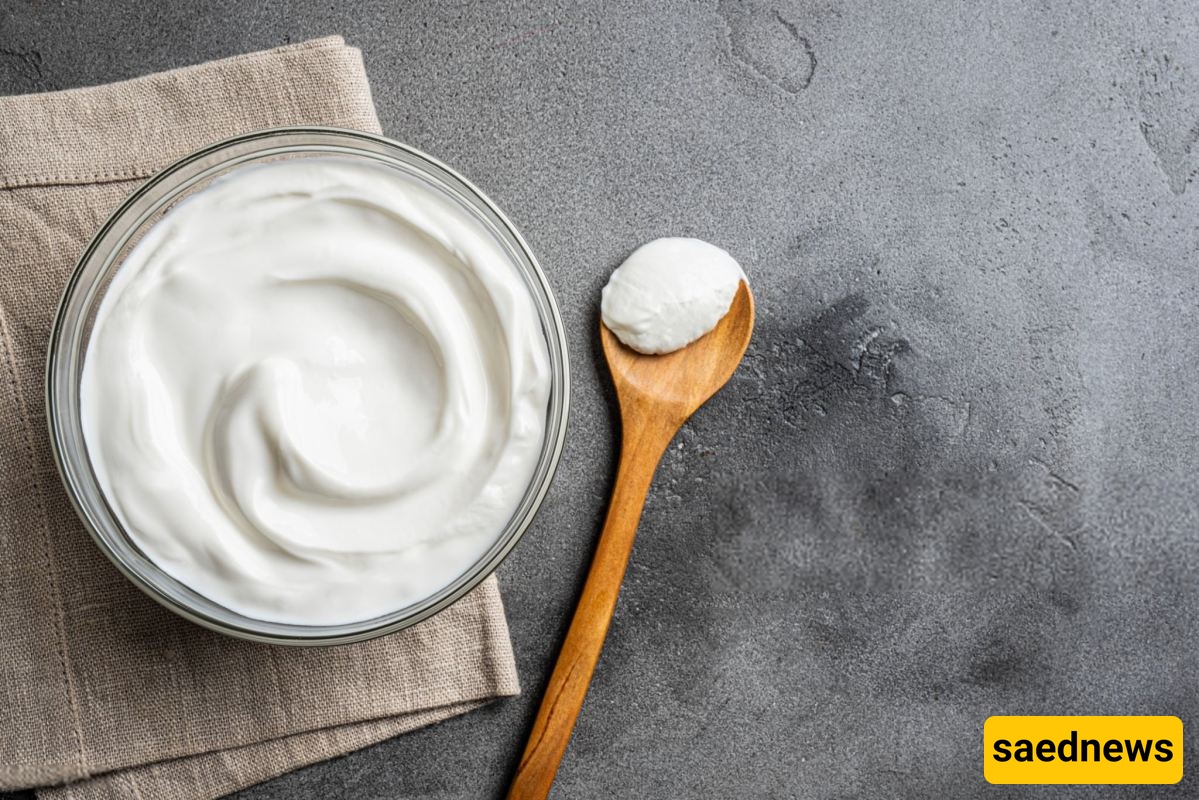
Cream plays an important role in many recipes, including creamy soups, sauces, stews, desserts, and cakes. The amount used directly affects the final flavor, richness, and consistency.
In baking, cream is particularly important for cake texture, frosting, piping, and preparing pastry fillings.
Knowing how many grams are in a tablespoon of cream makes it easier to follow recipes accurately and convert measurements when necessary.
If a recipe specifies cream in grams, you can divide the amount by 15 to estimate the number of tablespoons required.
For example: 75 grams of regular liquid cream is approximately equal to 5 level tablespoons.
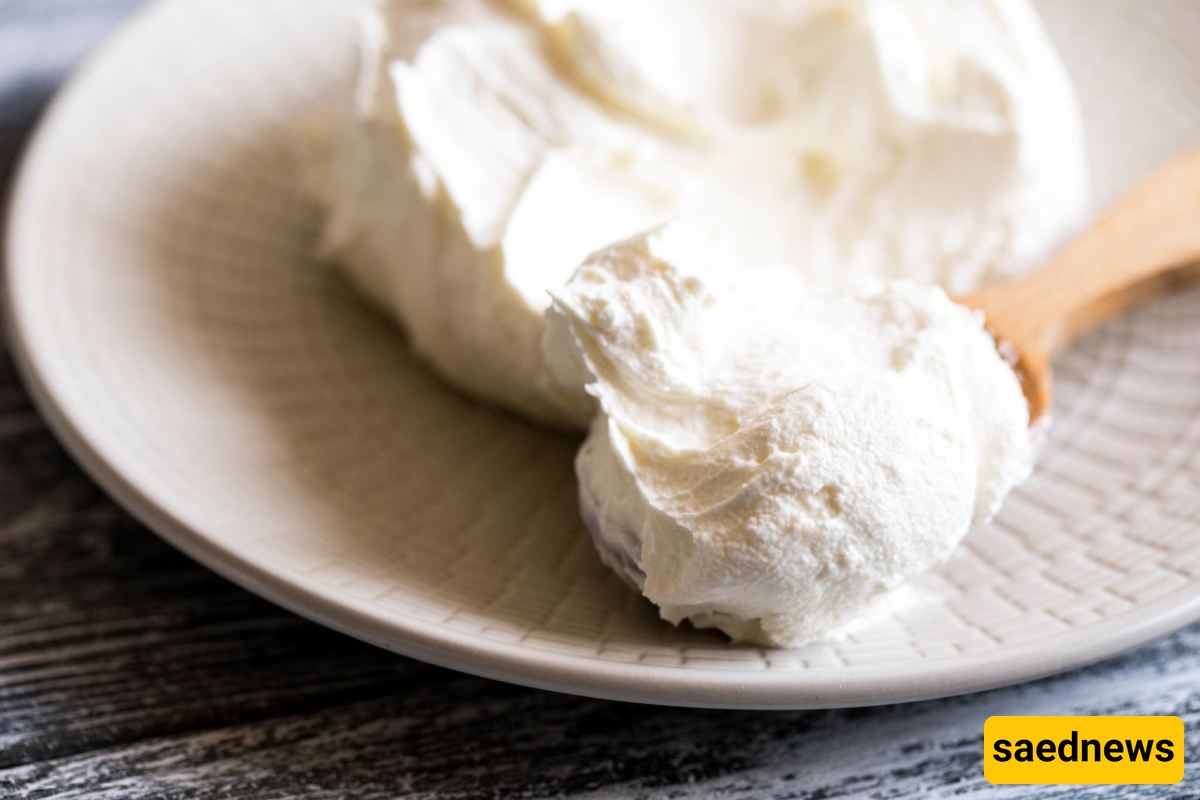
As a general cooking measurement, one level tablespoon (15 ml) of regular liquid cream weighs approximately 15 grams.
Keep in mind that whipped cream is lighter, weighing around 7–8 grams per tablespoon, while different cream varieties may have slightly different weights.
For everyday cooking, the 15-gram estimate is usually sufficient. For professional baking and recipes requiring precise measurements, always use a digital kitchen scale.