SAEDNEWS: In this article, we explore the potential benefits of sour cherries for liver health, focusing on their nutritional compounds, available scientific evidence, and important precautions. Join us as we take a closer look.
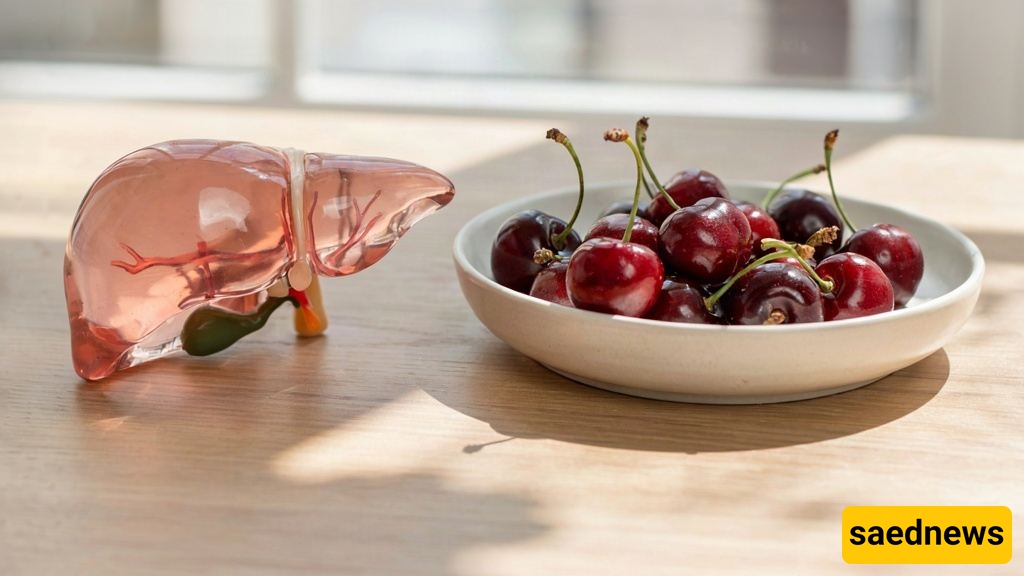
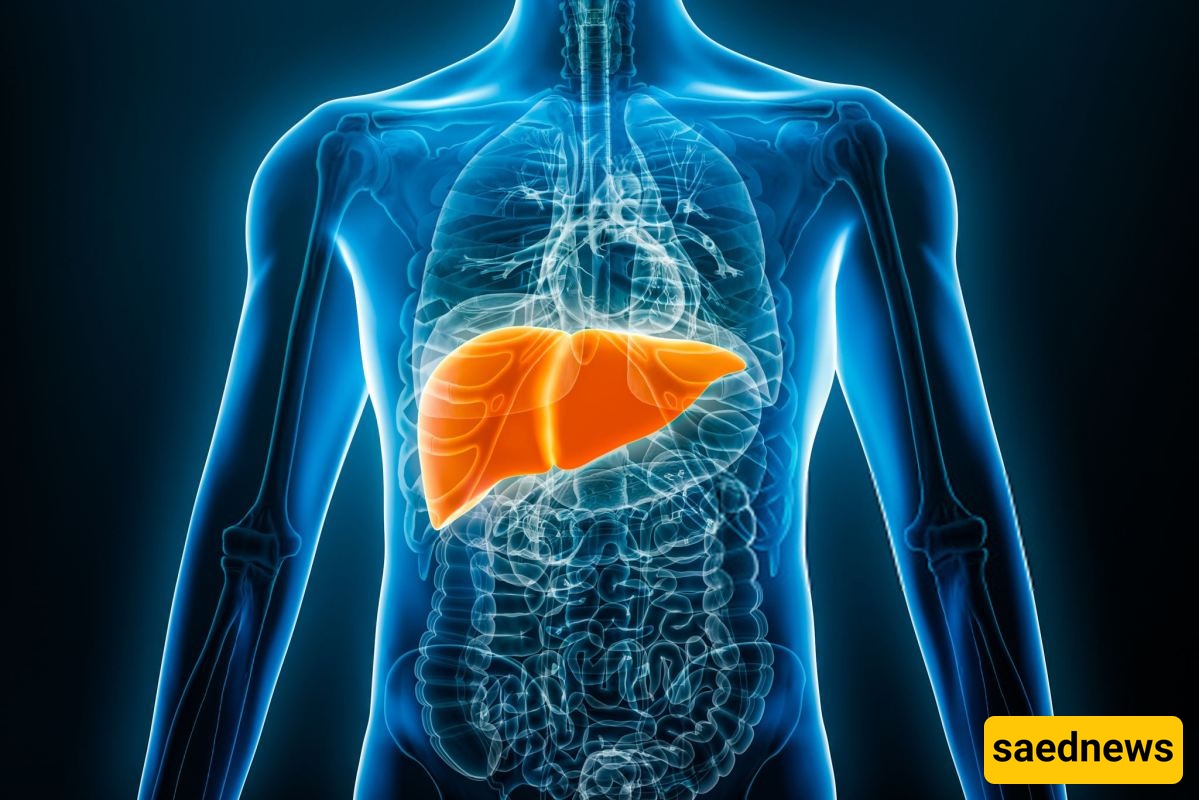
According to Saednews, The liver is one of the most important organs in the human body. It plays a vital role in metabolism, nutrient storage, blood filtration, and waste elimination. Therefore, maintaining liver health through a balanced diet and a healthy lifestyle is essential.
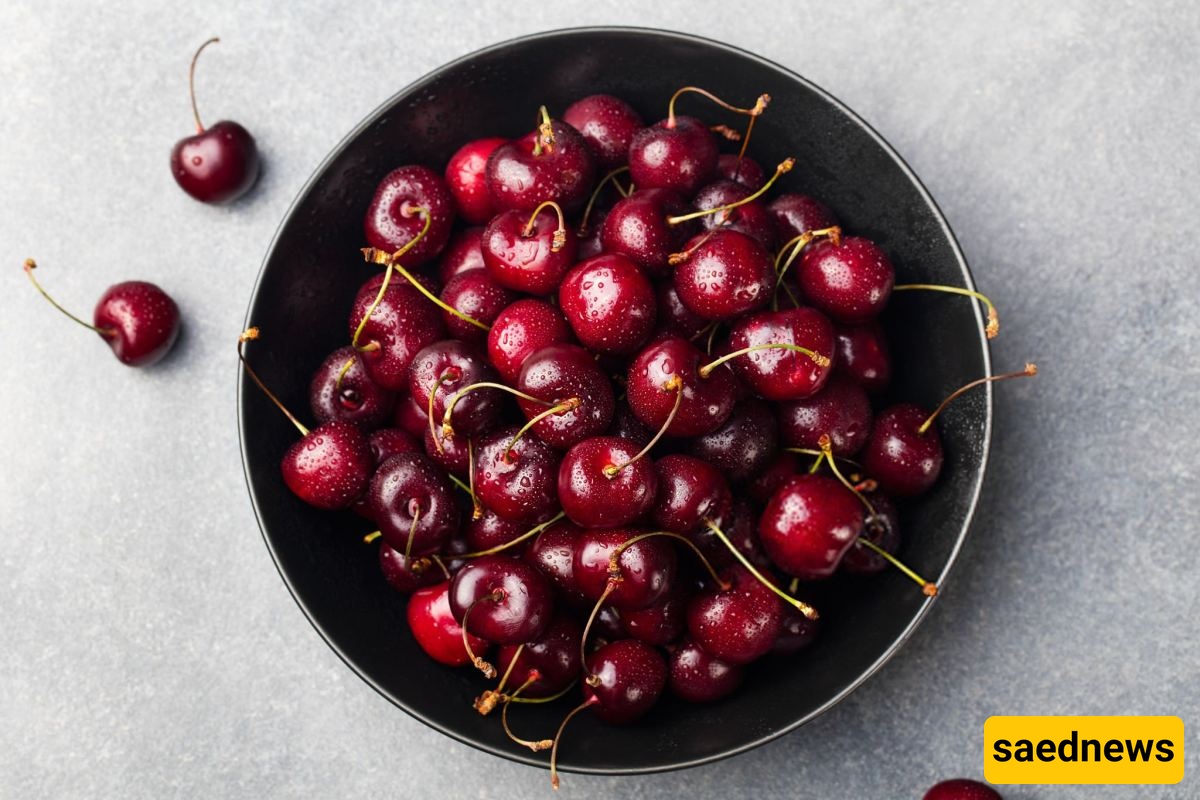
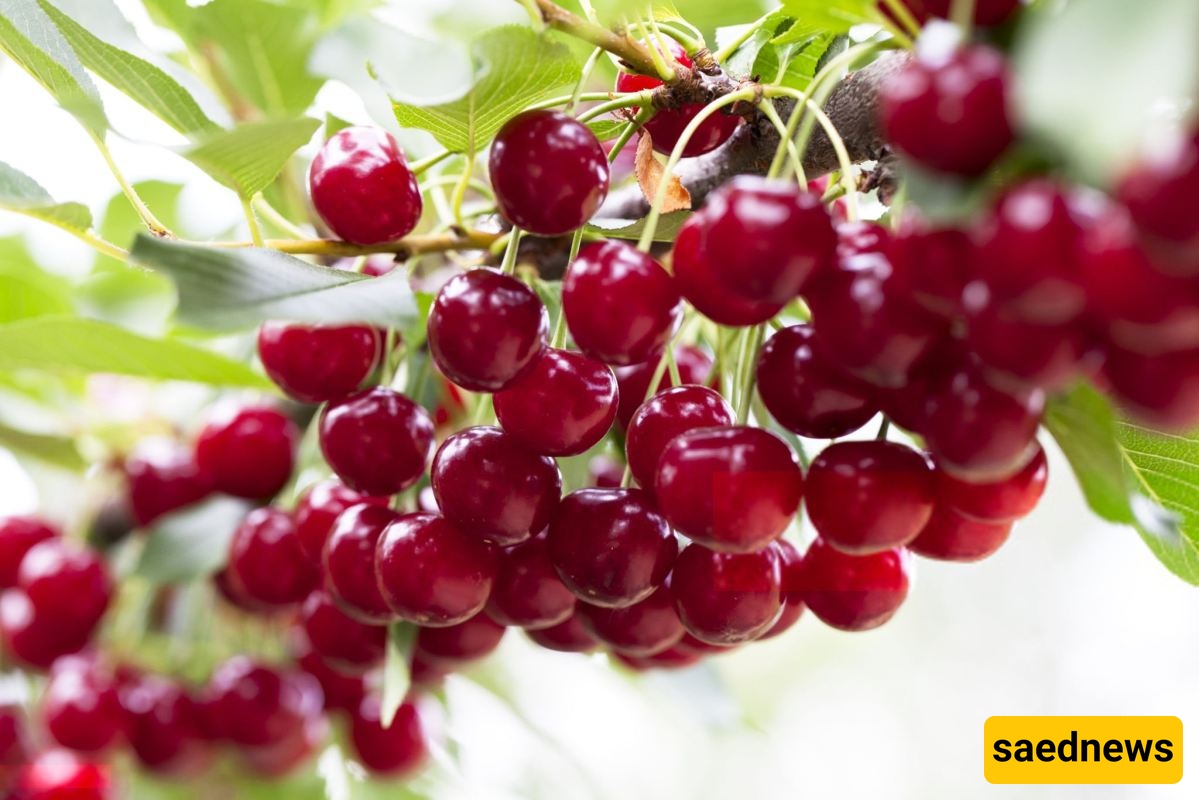
Among seasonal fruits, tart cherries have attracted the attention of researchers and nutrition experts because of their pleasant taste and rich content of bioactive compounds. Many people wonder what benefits tart cherries may offer for liver health and whether eating them can help prevent or manage liver diseases.
This article explores the potential benefits of tart cherries for liver health, examining their nutritional compounds, available scientific evidence, and important precautions.
It is important to emphasize from the outset that tart cherries are a nutritious fruit, but they are not a substitute for medical treatment, medication, or a specialized diet for liver disease.
People with liver conditions should consult their physician or a registered dietitian before making significant changes to their diet.
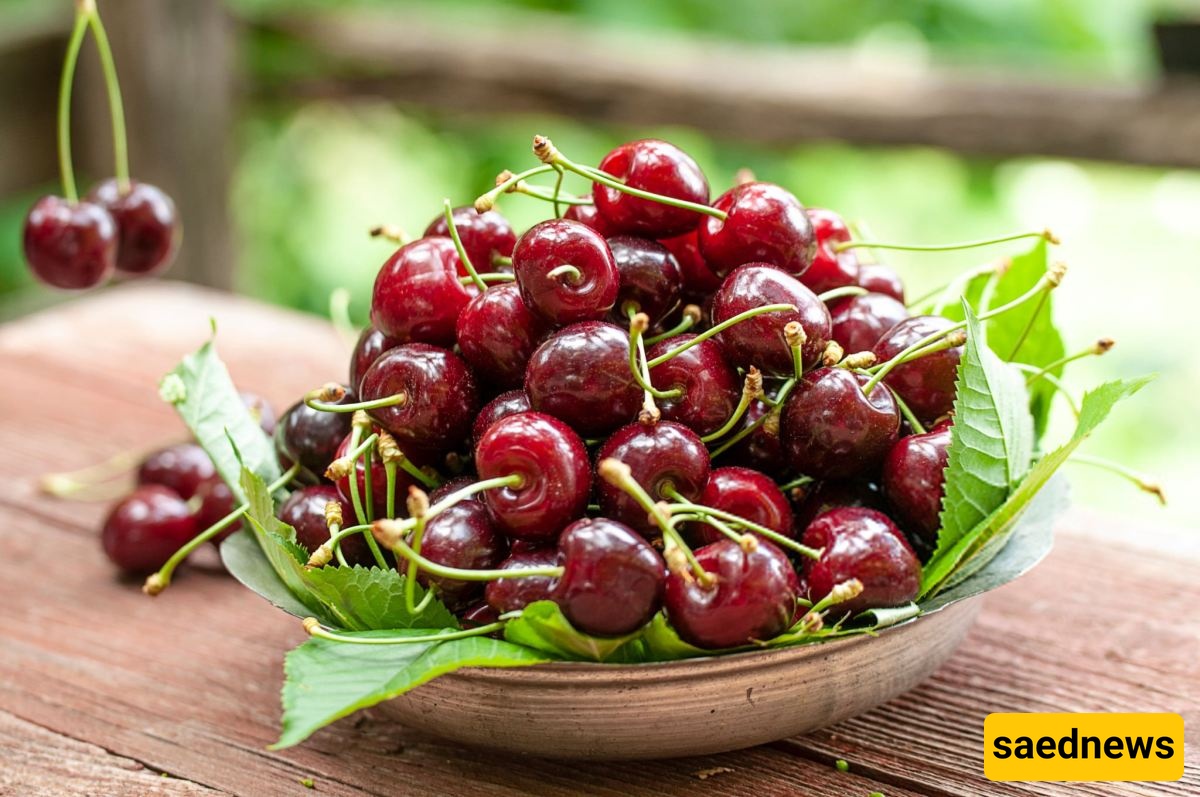
The potential benefits of tart cherries for the liver are mainly attributed to three properties: antioxidant activity, anti-inflammatory effects, and support for metabolic balance.
Some laboratory and animal studies suggest that tart cherry extracts and their active compounds may help reduce oxidative stress markers.
They may also contribute to improving lipid profiles and insulin sensitivity. These factors are particularly relevant to liver health, especially in people with fatty liver disease.
However, much of the available evidence comes from laboratory and animal studies, and human research remains limited. Therefore, claims about the therapeutic effects of tart cherries should be approached with caution.
Their value is best understood as part of a balanced diet and healthy lifestyle.
The liver continuously processes various substances, and this process can generate reactive oxygen species.
When the balance between free radical production and the body's antioxidant defenses is disrupted, oxidative stress occurs. Oxidative stress is associated with inflammation, cellular damage, and the progression of certain liver diseases.
Tart cherries contain anthocyanins and vitamin C, which may help strengthen the body's antioxidant defenses.
Some studies have found that consuming tart cherry extracts is associated with reduced markers of oxidative stress.
These findings suggest that tart cherries may support liver health, partly through their antioxidant properties.
However, these benefits should be considered within the context of a healthy diet that avoids harmful factors such as excessive alcohol consumption and high intake of refined sugars.
Chronic inflammation is an important contributing factor in fatty liver disease and other liver disorders.
The polyphenolic compounds found in tart cherries may interact with inflammatory pathways in the body and help reduce the production of certain inflammatory mediators. This potential effect has been investigated in laboratory studies.
However, tart cherries should not be expected to treat liver inflammation on their own.
Liver inflammation can have several causes, including fatty liver disease, alcohol consumption, infections, and autoimmune disorders.
Therefore, anyone experiencing symptoms or abnormal liver test results should undergo proper medical evaluation.
Tart cherries can be part of a healthy dietary pattern, but they cannot replace professional diagnosis or treatment.
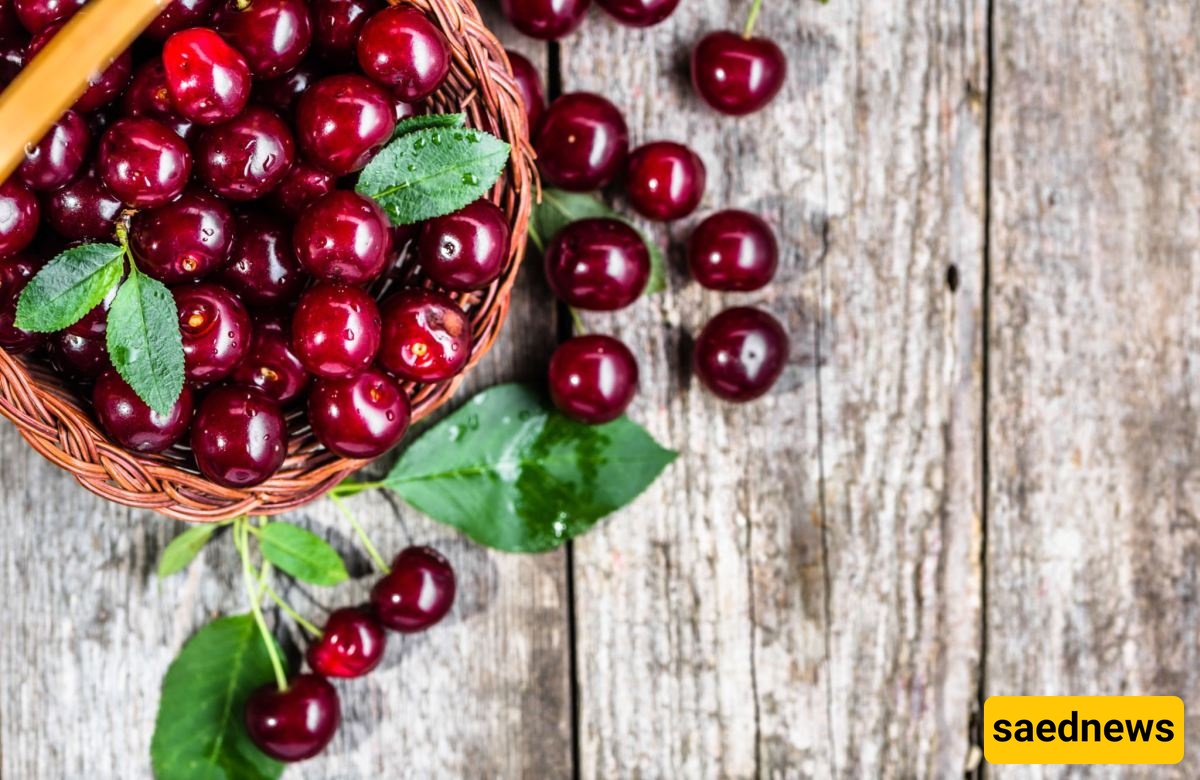
Fatty liver disease is one of the most common liver conditions worldwide. It is closely associated with excess body weight, insulin resistance, type 2 diabetes, and abnormal blood lipid levels.
In these circumstances, lifestyle modifications, gradual weight loss, regular physical activity, and dietary improvements are among the most important management strategies.
Tart cherries can be included in a healthy diet because they contain fiber and antioxidant compounds.
The fiber in tart cherries may help promote fullness and support calorie management.
Additionally, some animal studies have linked tart cherry compounds to improved fat metabolism and reduced fat accumulation in the liver.
Nevertheless, human evidence remains limited, and tart cherries cannot be considered a proven treatment for fatty liver disease.
One important consideration is that consuming tart cherries in the form of sweetened syrup, canned fruit in heavy syrup, or commercially processed juice may increase sugar intake.
Added sugar can contribute to weight gain and potentially worsen fatty liver disease.
To benefit from tart cherries, it is preferable to choose fresh cherries, unsweetened frozen cherries, or dried cherries without added sugar, while keeping portions moderate.
Liver enzymes such as ALT and AST are important indicators used to assess liver health.
Elevated levels of these enzymes may indicate liver damage or inflammation.
Some animal studies have suggested that consuming tart cherry extract may help reduce liver enzyme levels in experimental models of liver injury.
Although these findings are encouraging, they do not establish a therapeutic effect in humans.
If your liver test results are abnormal, do not replace medical follow-up with tart cherry consumption.
Identifying the cause of elevated liver enzymes is essential and may require additional blood tests, imaging studies, or medication adjustments.
A healthy diet can provide supportive benefits alongside appropriate medical treatment.
The liver naturally processes and eliminates waste products from the body.
The term "detoxification" is sometimes exaggerated in commercial advertising. However, from a scientific perspective, supporting normal liver function through healthy nutrition, adequate sleep, avoiding alcohol, and reducing added sugar intake is important.
Tart cherries contain antioxidants and fiber that may contribute to maintaining a healthy metabolic environment.
Nevertheless, no single fruit can independently "cleanse" the liver or reverse the effects of alcohol consumption, harmful medications, or chronic diseases.
The potential benefits of tart cherries for liver health should be considered part of an overall healthy dietary pattern rather than a miracle treatment.
Insulin resistance is one of the underlying factors associated with fatty liver disease.
Some research suggests that the polyphenolic compounds found in tart cherries may help improve insulin sensitivity.
Tart cherries generally have a relatively low glycemic index, although their effects depend on portion size and processing methods.
People with diabetes should consume tart cherries and other fruits in moderation and monitor their blood glucose levels.
Eating fresh tart cherries in reasonable portions is generally preferable to consuming sweetened cherry products.
For an individualized dietary plan, consulting a registered dietitian is recommended.
The fiber in tart cherries may help improve digestive function and prevent constipation.
Digestive health and the balance of gut microbiota are closely connected to liver health through what is known as the gut-liver axis.
Therefore, eating fiber-rich fruits such as tart cherries in moderate amounts can be part of a diet that supports overall health.
However, people with digestive sensitivities, including acid reflux or irritable bowel syndrome (IBS), may be sensitive to the acidity of tart cherries.
If symptoms occur, reduce your intake and consult a healthcare professional.
Tart cherries contain vitamin C and potassium.
Vitamin C acts as an antioxidant, supports immune function, and helps regenerate vitamin E.
Potassium is also important for regulating blood pressure and maintaining fluid balance in the body.
However, people with chronic kidney disease may need to restrict their potassium intake.
They should consult their physician or dietitian about consuming tart cherries and other potassium-rich foods.
Additionally, tart cherries, like other acidic fruits, may cause discomfort in people with acid reflux, stomach ulcers, or digestive sensitivities, particularly when consumed in large quantities.
In such cases, moderate consumption alongside meals may be preferable.
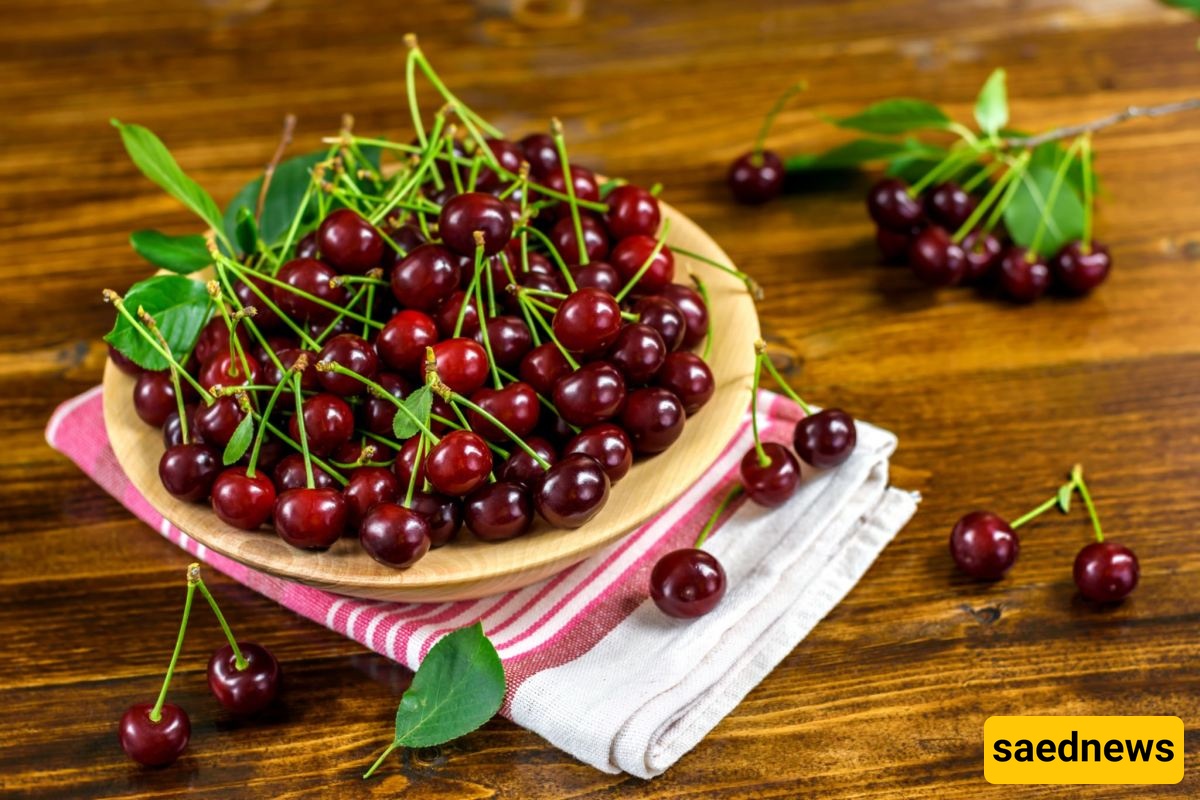
To fairly evaluate the potential benefits of tart cherries for the liver, it is important to distinguish between three types of scientific evidence:
Laboratory studies:
These studies examine tart cherry extracts or isolated compounds on liver cells or in controlled laboratory environments.
The results often indicate reduced oxidative stress and inflammation. However, laboratory conditions differ significantly from the human body.
Animal studies:
In animal models, consuming tart cherry extracts has sometimes been associated with reduced liver enzyme levels, improved lipid profiles, and decreased fat accumulation in the liver.
These findings are valuable, but their results cannot automatically be applied to humans.
Human studies:
Human research specifically examining the direct effects of tart cherries on liver health remains limited.
Most human studies have focused on the effects of tart cherries on general inflammatory markers, blood pressure, sleep quality, or muscle soreness following exercise.
Therefore, further research is necessary before firm conclusions can be made about the therapeutic effects of tart cherries on liver diseases.
Overall, tart cherries can be considered a nutritious food that may support general health, but they are not an established treatment for liver disease.
The way tart cherries are consumed can significantly influence their nutritional benefits.
Here are some general recommendations:
Fresh or unsweetened frozen tart cherries: These are among the best choices because they contain no added sugar and retain much of their antioxidant content.
Unsweetened dried tart cherries: These can be a suitable option, but portion sizes should be controlled because their natural sugars and calories are more concentrated.
Cherry compote and jam: These products often contain substantial amounts of added sugar and may not be suitable for liver health, particularly for people with fatty liver disease.
Cherry syrup: Although popular in many cultures, commercially prepared cherry syrups often contain high levels of sugar. Excessive consumption of sugary drinks is associated with weight gain and fatty liver disease.
Natural, unsweetened cherry juice: This may be an option, but it does not contain the same amount of fiber as whole fruit. Eating whole cherries is generally preferable.
Cherry herbal tea: This is consumed in some cultures and can be part of a healthy beverage routine. However, there is insufficient scientific evidence to establish a therapeutic effect on liver health.
Overall, the less processed the cherries are and the less added sugar they contain, the more suitable they are for a liver-friendly diet.
The appropriate amount of tart cherries depends on individual calorie requirements, health conditions, and digestive tolerance.
In general, one serving of fruit per day can be a reasonable choice for many healthy adults, and tart cherries can be included as one of those servings.
People with diabetes, fatty liver disease, or excess body weight should pay particular attention to their total daily sugar and calorie intake.
Rather than focusing on a single fruit, it is better to include a variety of fruits in your diet.
Tart cherries can be combined with other relatively low-sugar fruits, such as strawberries, raspberries, apples, and citrus fruits, as part of a balanced eating plan.
Although tart cherries are generally safe for most people, the following considerations are important:
Chronic kidney disease: Because of their potassium content, consumption may need to be adjusted under medical supervision.
Diabetes: Portion size and preparation method are important. Choose products without added sugar.
Digestive problems: People with acid reflux, heartburn, or stomach sensitivity may experience worsening symptoms after consuming large amounts of tart cherries.
Allergies to cherry-family fruits: People with a known allergy should avoid consuming tart cherries.
Cherry pits: Cherry pits contain compounds that should not be chewed or swallowed. Always remove and discard the pits.
Medication interactions: People taking certain medications, particularly those metabolized by the liver, should consult their healthcare provider before using concentrated tart cherry extracts or supplements. Eating the fruit itself is generally less concerning, but concentrated supplements should be used cautiously.
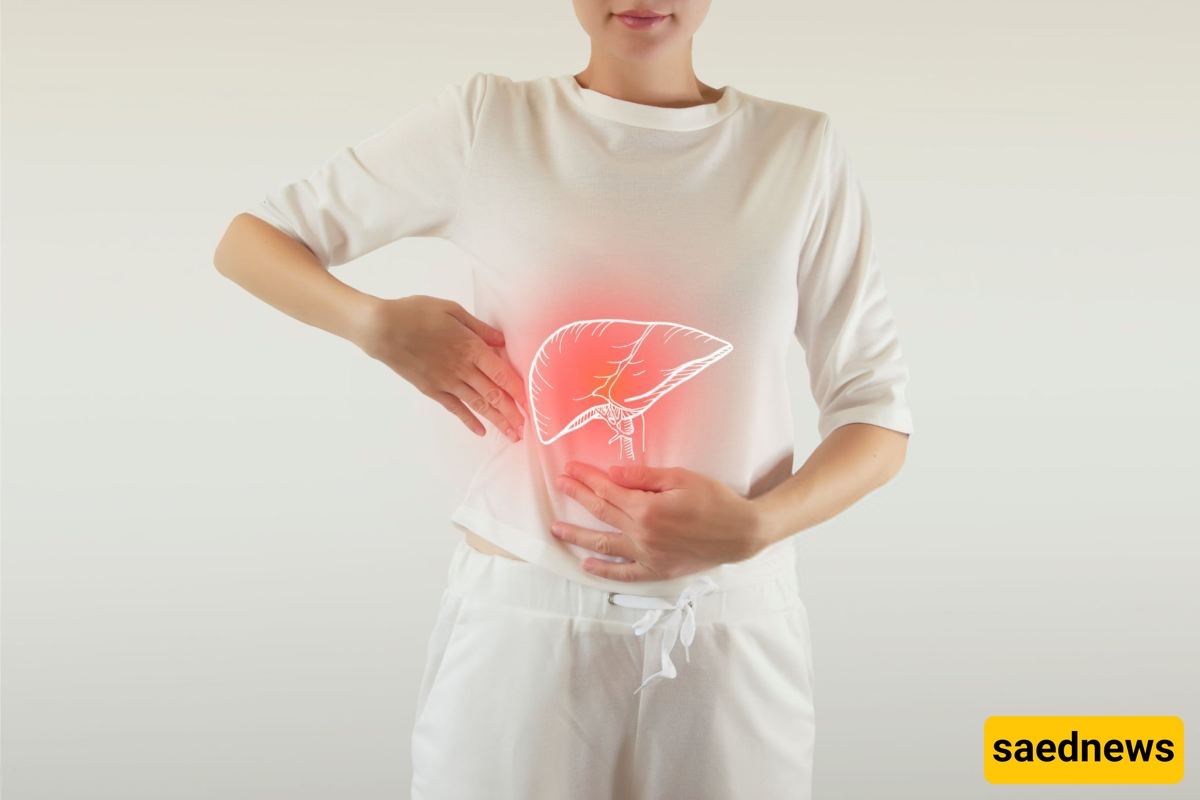
The potential benefits of tart cherries for liver health are meaningful only as part of an overall healthy lifestyle.
Other important measures include:
Maintaining a healthy weight and losing excess weight gradually: Rapid or sudden weight loss may harm the liver. Weight management should be gradual and medically supervised when necessary.
Regular physical activity: At least 150 minutes of moderate-intensity aerobic exercise per week is recommended for most adults.
Avoiding alcohol: Alcohol is one of the major causes of liver damage.
Reducing added sugars and sugary beverages: These can contribute to the development and worsening of fatty liver disease.
Getting enough sleep and managing stress: Poor sleep and chronic stress can affect metabolism and inflammation.
Avoiding unnecessary medications and supplements: Certain medications and herbal supplements can cause liver damage.
Regular medical monitoring: People with existing liver disease or risk factors should undergo periodic medical evaluations and appropriate laboratory testing.

Tart cherries contain beneficial compounds, including anthocyanins, vitamin C, polyphenols, and dietary fiber, which may support antioxidant defenses, help regulate inflammation, and contribute to metabolic health.
Some laboratory and animal studies suggest potential benefits for liver function, fatty liver disease, and liver enzyme levels. However, human evidence remains insufficient to confirm these effects as medical treatments.
The best approach is to enjoy fresh or unsweetened tart cherries in moderation as part of a balanced diet, while maintaining a healthy weight, exercising regularly, limiting added sugar, and avoiding alcohol.
Tart cherries may support overall liver health, but they should never replace medical evaluation or evidence-based treatment for liver disease.