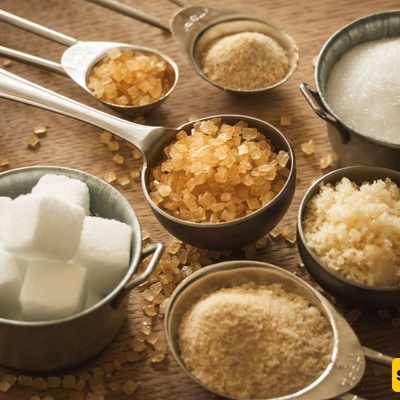
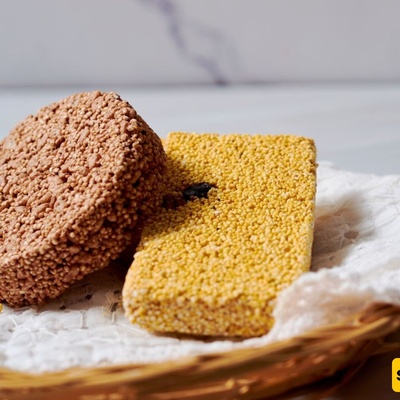
SAEDNEWS: Sweeteners, ranging from traditional sugars and natural honey to artificial and low-calorie alternatives, play an important role in the food and beverage industry. In this article, we explore the different types of sweeteners and their key characteristics.
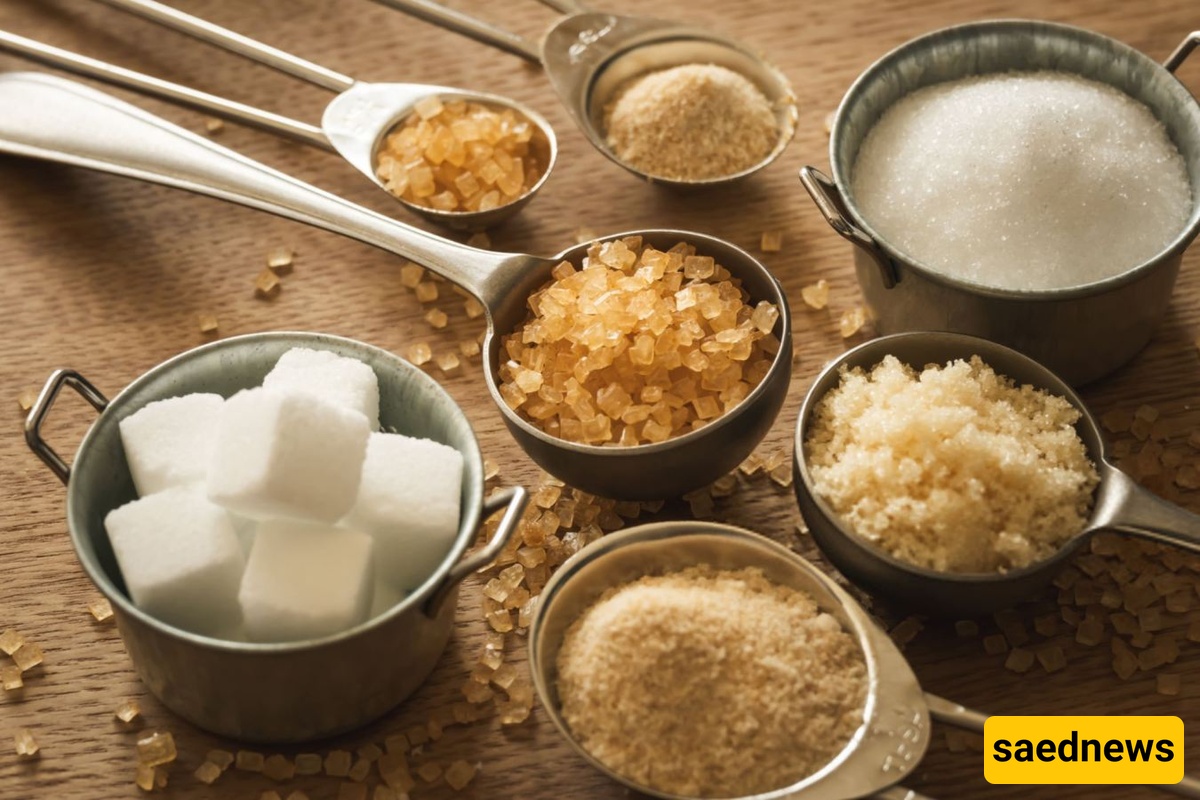
According to Saednews, Sweeteners are among the most widely used ingredients in the food and beverage industry. From white sugar and honey to artificial and low-calorie alternatives, these substances are primarily used to provide sweetness.
However, sweeteners differ significantly in their sources, calorie content, sweetness intensity, health effects, and applications in food products. Understanding the different types of sweeteners helps consumers, nutrition professionals, and food industry specialists make more informed choices.
In recent years, growing awareness of health, weight management, and the importance of reducing added sugar consumption has increased the demand for sugar alternatives. Nevertheless, each sweetener has its own characteristics, and they should not all be evaluated in the same way.
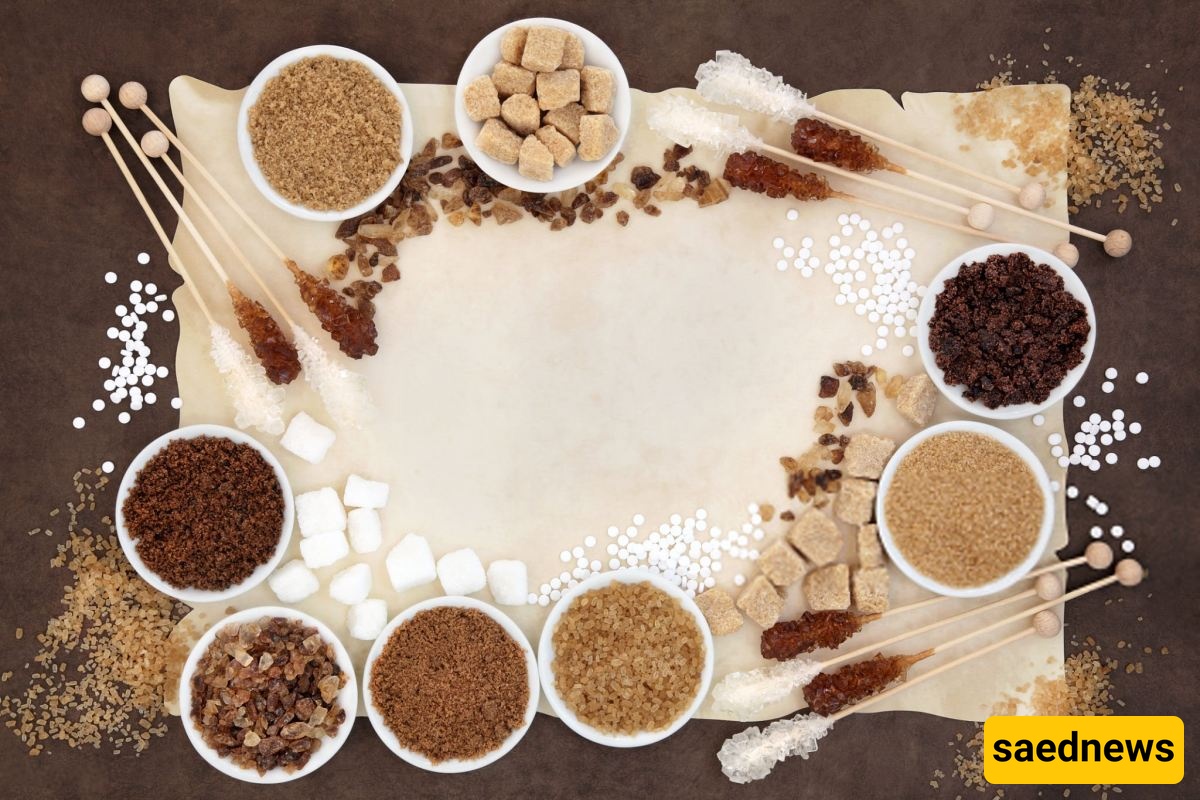
This article explores the definition and main categories of sweeteners, highlighting their characteristics, applications, and important considerations for selecting and consuming them.
A sweetener is any substance that gives food or beverages a sweet taste. Sweeteners can be natural or artificial, contain calories or be calorie-free, and vary considerably in sweetness intensity compared with conventional sugar.
Some sweeteners, such as sucrose, fructose, and glucose, provide energy. Others, including stevia, sucralose, and aspartame, provide sweetness with very few or virtually no calories.
Understanding sweeteners involves more than simply comparing their sweetness. Other important factors include aftertaste, heat stability, effects on food texture, solubility, and potential interactions with other ingredients.
For this reason, food manufacturers carefully select suitable sweeteners based on the specific requirements of each product.
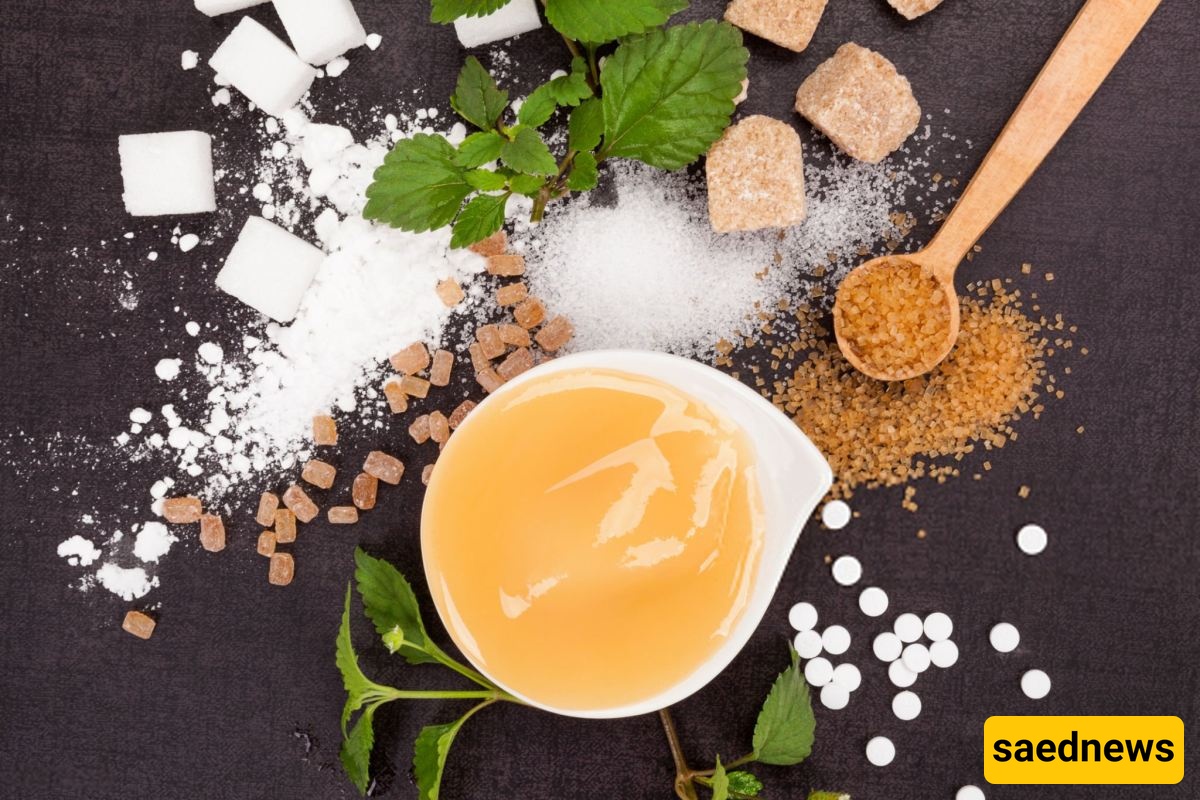
Sweeteners can be classified according to several criteria, including:
Natural and artificial sweeteners
Nutritive and non-nutritive sweeteners
High-calorie, low-calorie, and zero-calorie sweeteners
Bulk and non-bulk sweeteners
The following sections examine the most important types in greater detail.
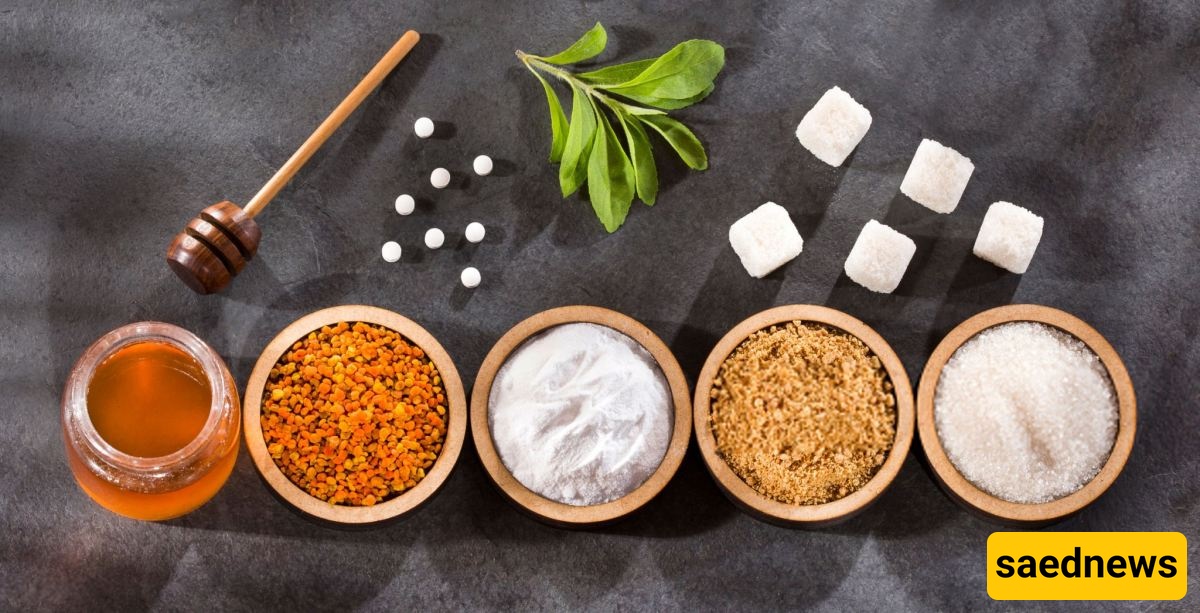
Natural sweeteners are substances obtained from plant or animal sources or through natural processes. This category includes simple sugars, honey, syrups, plant extracts, and sugar alcohols.
However, being natural does not automatically mean that a sweetener is harmless or suitable for everyone.
White sugar, brown sugar, fructose, glucose, lactose, and maltose are among the most widely recognized naturally occurring or traditionally derived sweetening substances.
These compounds generally provide energy and are metabolized by the body. Excessive consumption of simple sugars may contribute to increased calorie intake, weight gain, tooth decay, and metabolic health problems.
Therefore, even natural, calorie-containing sweeteners should be consumed as part of a balanced diet.
Honey and syrups, such as grape syrup, date syrup, and maple syrup, are also popular natural sweeteners. In addition to sugars, they contain small amounts of other compounds, including minerals and antioxidants.
Nevertheless, their natural origin does not mean that unlimited consumption is harmless.
Stevia is one of the best-known natural, low-calorie sweeteners. It is extracted from the leaves of the stevia plant and has a sweetness intensity considerably higher than regular sugar, while contributing negligible calories.
Monk fruit is another natural source used to produce low-calorie sweeteners.
Erythritol, xylitol, and sorbitol are sugar alcohols (polyols) found in certain fruits and plant-based materials or produced commercially. They generally provide fewer calories than regular sugar. However, excessive consumption of some sugar alcohols may cause digestive discomfort in certain individuals.
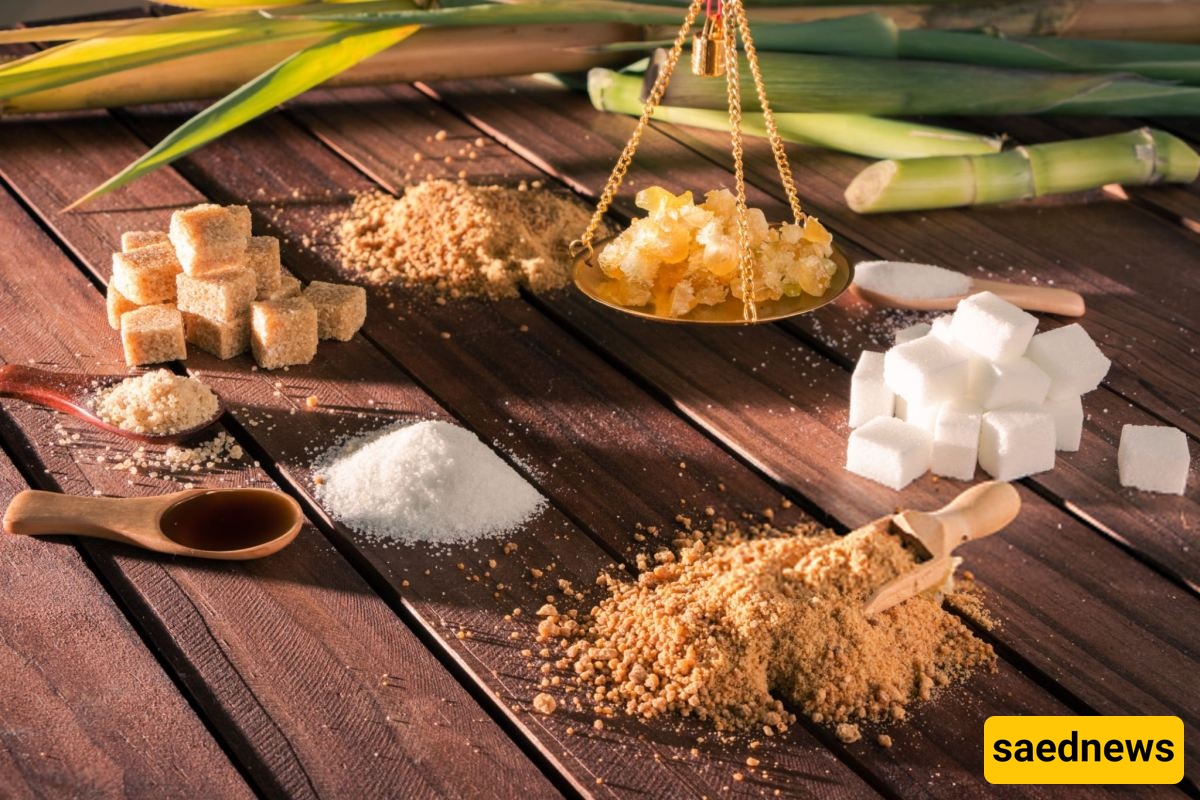
Artificial sweeteners are substances manufactured through industrial or laboratory processes. They generally have a much higher sweetness intensity than regular sugar and contain few or negligible calories.
They are widely used in diet beverages, sugar-free products, chewing gum, and various reduced-calorie foods.
Aspartame is one of the most widely recognized artificial sweeteners and is used in numerous beverages and low-calorie food products.
It is approximately 200 times sweeter than sucrose.
One limitation of aspartame is its sensitivity to high temperatures, where it may break down. Therefore, it is not particularly suitable for prolonged high-temperature cooking or baking.
Its consumption within established acceptable limits is considered safe by regulatory authorities for most people. However, individuals with certain medical conditions, particularly phenylketonuria (PKU), must avoid aspartame.
Sucralose is an artificial sweetener approximately 600 times sweeter than regular sugar.
One of its main advantages is its relative stability under heat, making it suitable for certain baked products and beverages.
Sucralose provides virtually no calories and is not fully metabolized by the human body.
Saccharin is one of the oldest artificial sweeteners, with a sweetness intensity reported to be hundreds of times greater than that of regular sugar.
It is used in various diet products and beverages.
Although concerns about its safety have been raised in the past, its use is regulated in many countries and permitted within established acceptable intake limits.
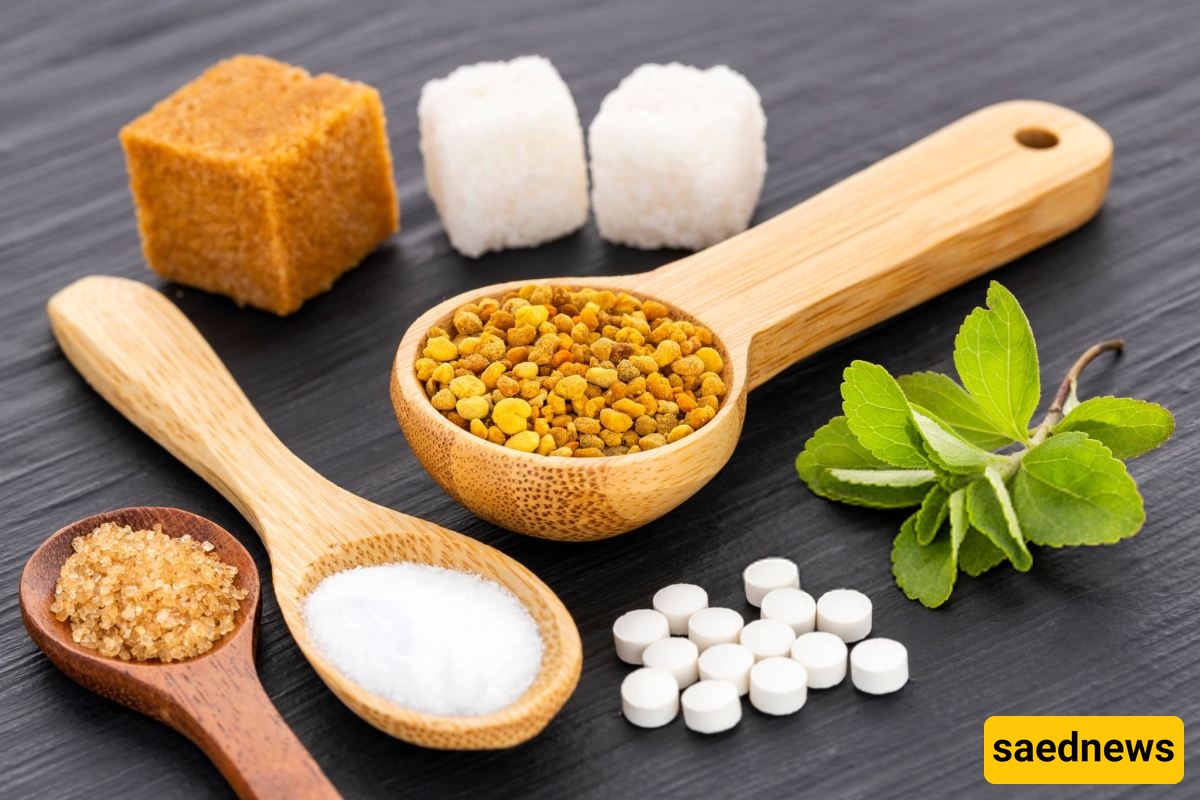
Acesulfame potassium, commonly known as Ace-K, is a heat-stable artificial sweetener frequently combined with other sweeteners.
These combinations can help improve the overall flavor profile and reduce unwanted bitterness in certain food products.
Neotame is an extremely potent artificial sweetener that is generally used in very small quantities.
It can be found in certain beverages, chewing gums, and reduced-calorie food products.
Because of its exceptionally high sweetness intensity, only very small amounts are required in food formulations.
Low-calorie and zero-calorie sweeteners have become increasingly important in the modern food market.
These products are designed for individuals who wish to reduce their sugar or calorie intake for personal or medical reasons.
However, using these sweeteners should not become an excuse to consume excessive amounts of other high-calorie foods.
Similarly, completely replacing sugar with artificial sweeteners without considering the overall dietary pattern does not necessarily lead to better health outcomes.
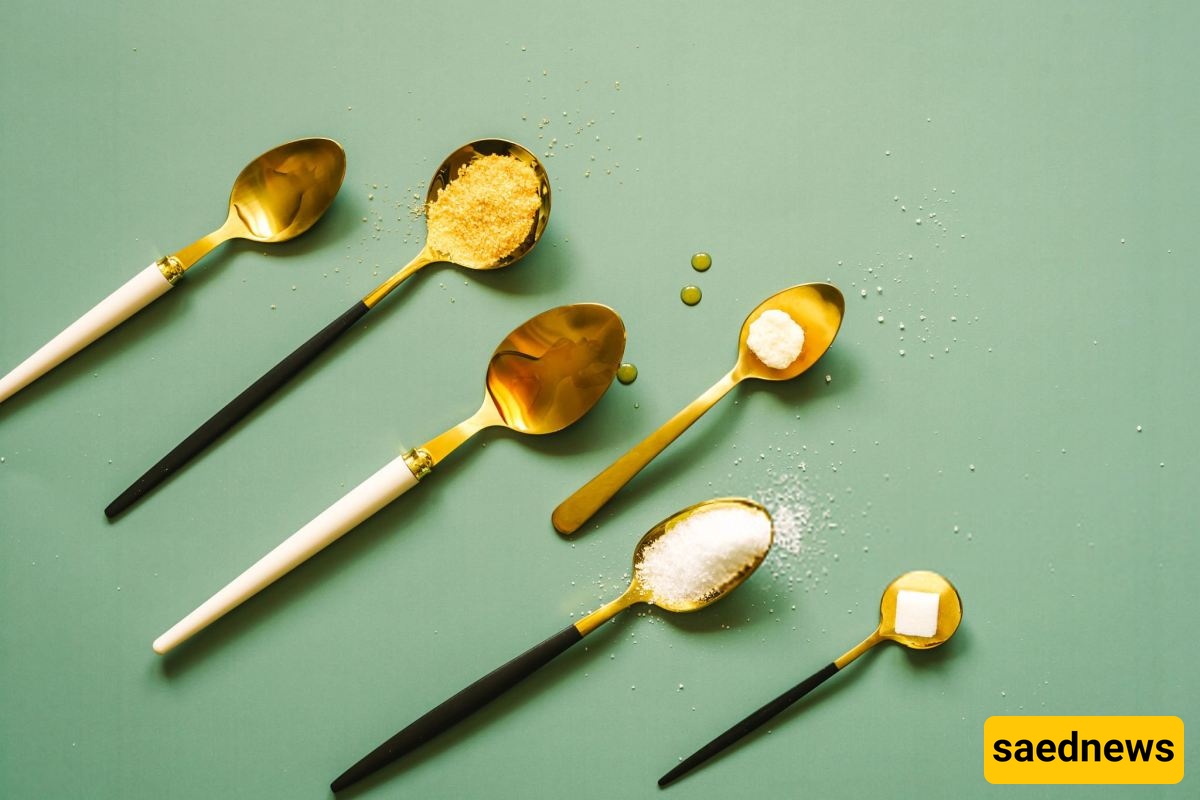
Sweeteners are used in a wide range of products, including:
Soft drinks and other beverages
Dairy products
Confectionery and baked goods
Chocolate products
Chewing gum
Diet and reduced-calorie foods
Certain pharmaceutical products
Selecting the appropriate sweetener depends on several factors, such as product formulation, manufacturing processes, pH, temperature, storage duration, and consumer preferences.
For example, a sweetener that performs well in a cold beverage may behave differently when incorporated into a baked product.
Several factors should be considered when choosing and consuming sweeteners:
1. Check nutritional labels: Pay attention to the sugar content, calorie count, and type of sweetener used in food products.
2. Practice moderation: Moderate consumption is important for all types of sweeteners, including natural alternatives.
3. Consider individual health conditions: People with specific conditions, such as diabetes, phenylketonuria, or digestive disorders, should consult a physician or qualified nutritionist when selecting suitable sweeteners.
4. Follow regulatory guidelines: Artificial sweeteners should be consumed within approved limits and in accordance with applicable national food safety standards.
One common misconception is that all artificial sweeteners are dangerous. In reality, their safety is evaluated based on the specific compound, level of consumption, and available scientific evidence.
Another misconception is that natural sweeteners are always healthier than artificial alternatives.
The natural origin of an ingredient does not automatically guarantee that it is beneficial to health. The amount consumed is equally important.
It is also incorrect to assume that sugar-free products automatically lead to weight loss.
Weight management and blood glucose control cannot be achieved simply by replacing sugar with zero-calorie sweeteners. Overall dietary habits, physical activity, and adherence to a balanced eating pattern all play essential roles.
Furthermore, products labeled as "sugar-free" or "low-calorie" may still contain relatively high amounts of fat, sodium, or other additives.
Therefore, a sugar-free label alone is not a sufficient indicator of a product's overall nutritional quality.
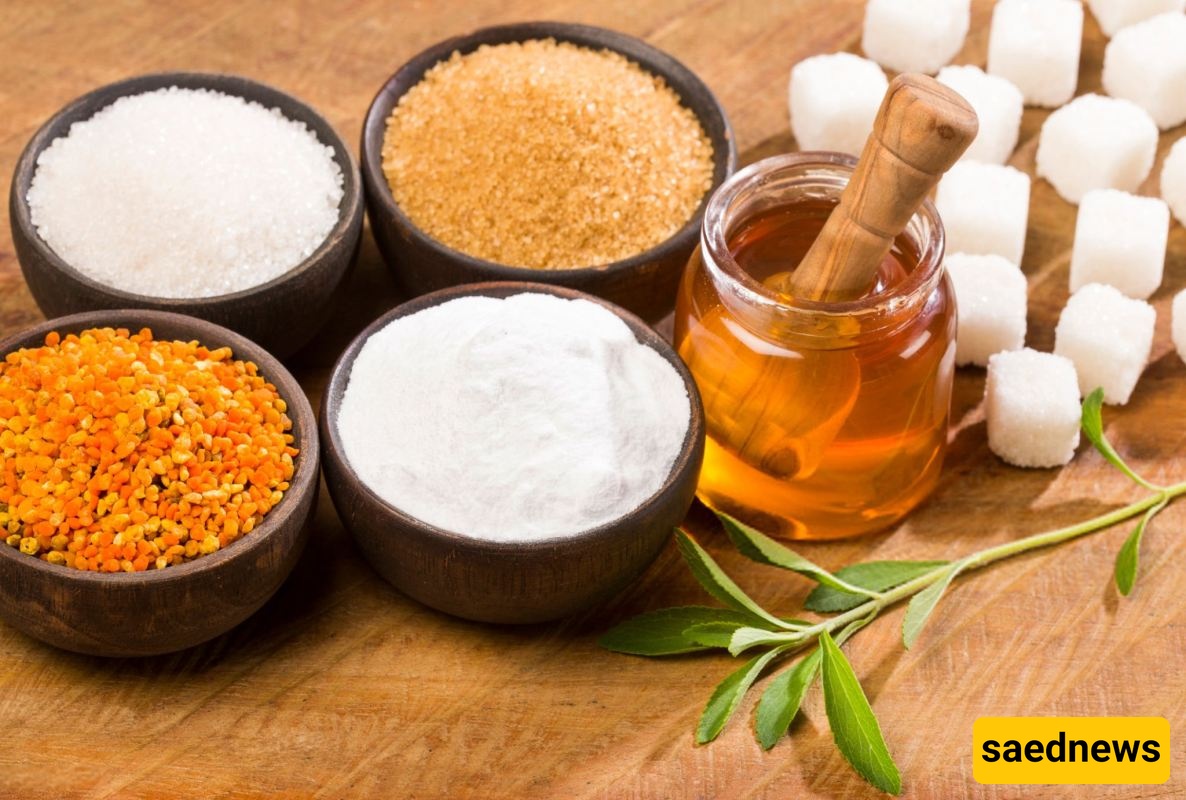
Understanding the different types of sweeteners is essential for making informed nutritional decisions and developing suitable food products. Natural sugars, plant-derived alternatives, sugar alcohols, and artificial sweeteners each offer distinct characteristics in terms of sweetness, calorie content, functionality, and safety considerations.
Choosing the right sweetener requires evaluating its intended application, nutritional properties, individual health needs, and recommended consumption limits. Ultimately, moderation and a balanced dietary pattern remain central to maintaining good health.