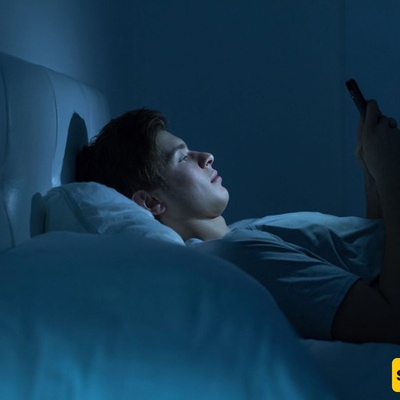
SAEDNEWS: Does blue light from your phone really affect your sleep? This article explores the scientific evidence, examines the factors that influence sleep, and offers practical tips to help you sleep better.
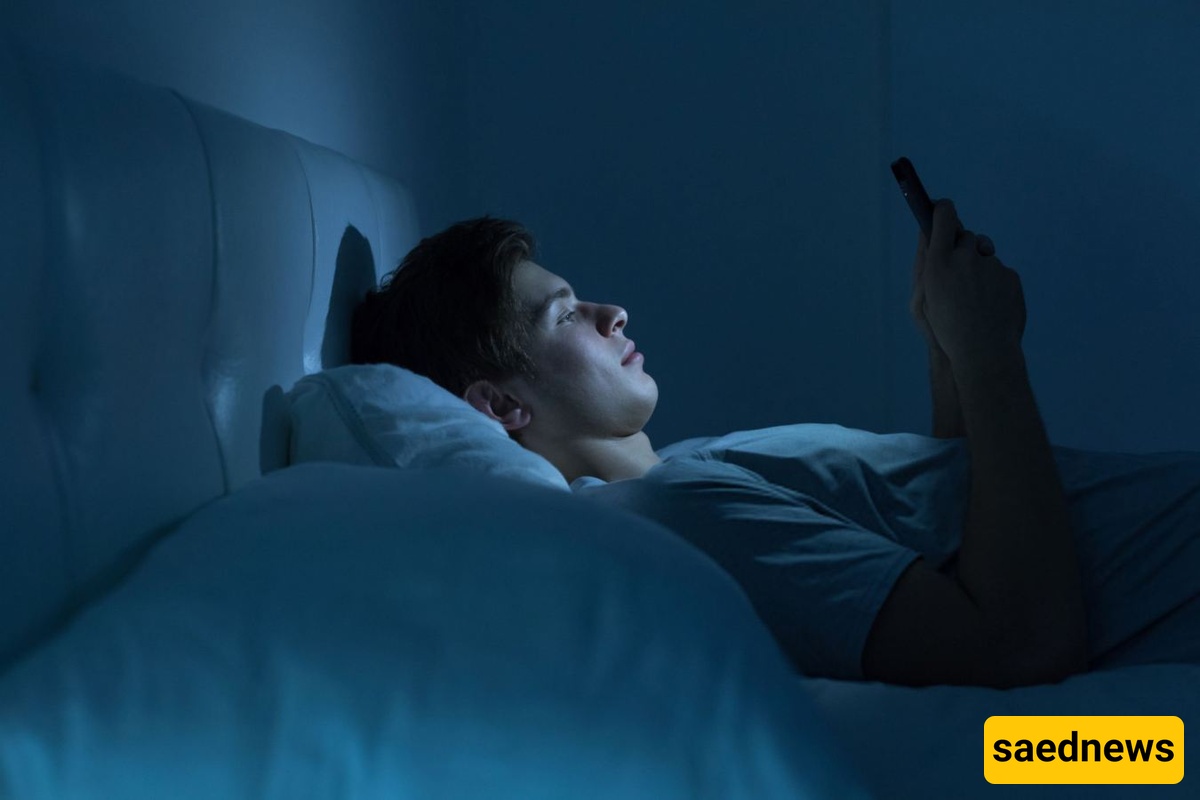
According to Saednews, In recent years, the term “phone blue light” has become a common concern in discussions about sleep health. Many people use their smartphones, tablets, or laptops before going to bed, only to experience difficulty falling asleep, frequent nighttime awakenings, or tiredness the following morning.
But does blue light from smartphones really disrupt sleep, or is some of the concern exaggerated by the media?
The short answer is that blue light from smartphones can affect sleep under certain conditions, but it is neither the only factor nor as harmful as it is sometimes portrayed. Sleep quality does not depend solely on the colour of the screen. Screen time, brightness, the content being viewed, sleep routines, caffeine consumption, and psychological factors all play important roles.
This article explores the relationship between smartphone blue light and sleep disturbances, examines the available scientific evidence, and presents practical ways to improve sleep quality.
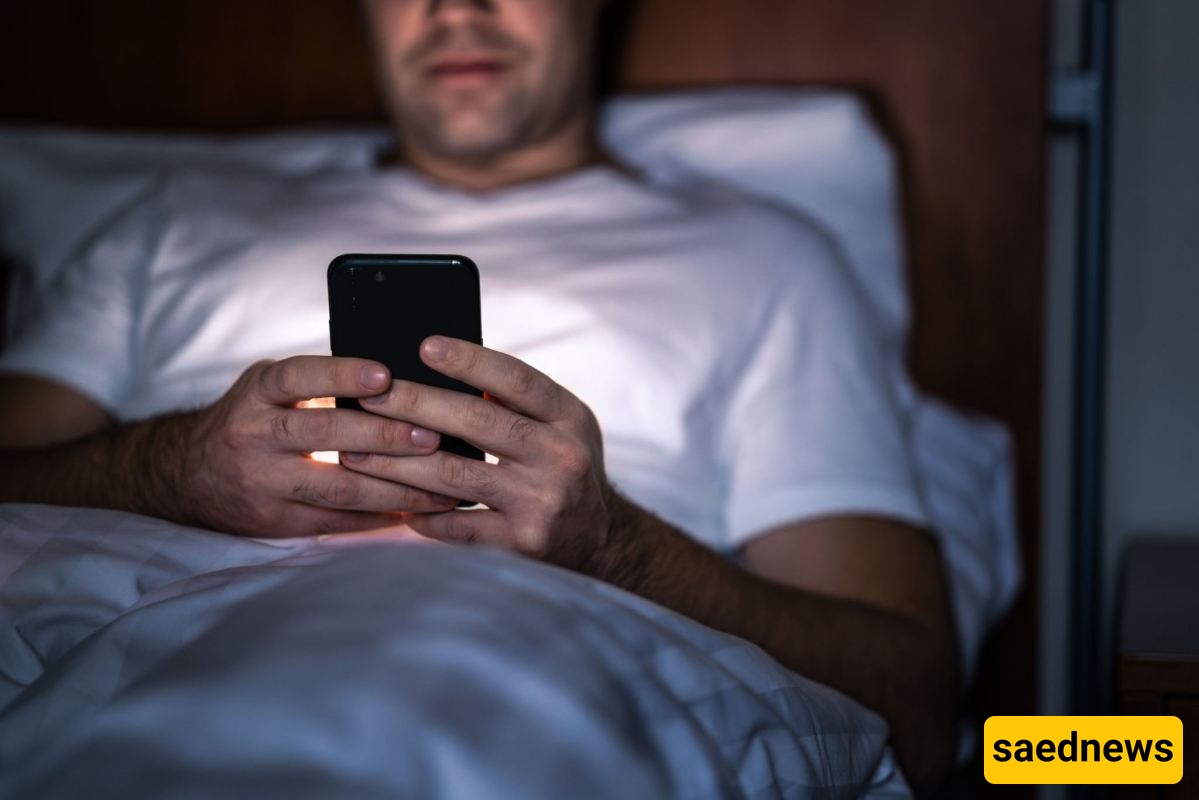
Blue light is part of the visible light spectrum. It has a relatively short wavelength and higher energy than many other colours of visible light. It is emitted not only by smartphone and tablet screens but also by the sun. In fact, the primary source of blue light in everyday life is natural daylight.
Compared with sunlight, the light emitted by electronic screens is much less intense. However, because screens are often used at night in dimly lit environments, their light can become more noticeable relative to the surrounding darkness.
The human body has an internal biological clock known as the circadian rhythm. This rhythm responds to environmental light and helps the brain distinguish between daytime and nighttime.
Bright light, particularly light containing a strong blue component, can send a wakefulness signal to the brain.
In contrast, darkness and dim lighting encourage the production of melatonin, a hormone that helps regulate the sleep-wake cycle and normally increases during the evening and nighttime.
Therefore, concerns about smartphone blue light are not entirely unfounded. When the eyes receive sufficiently bright light at the wrong time of day, melatonin production may be affected, potentially delaying the onset of sleep.
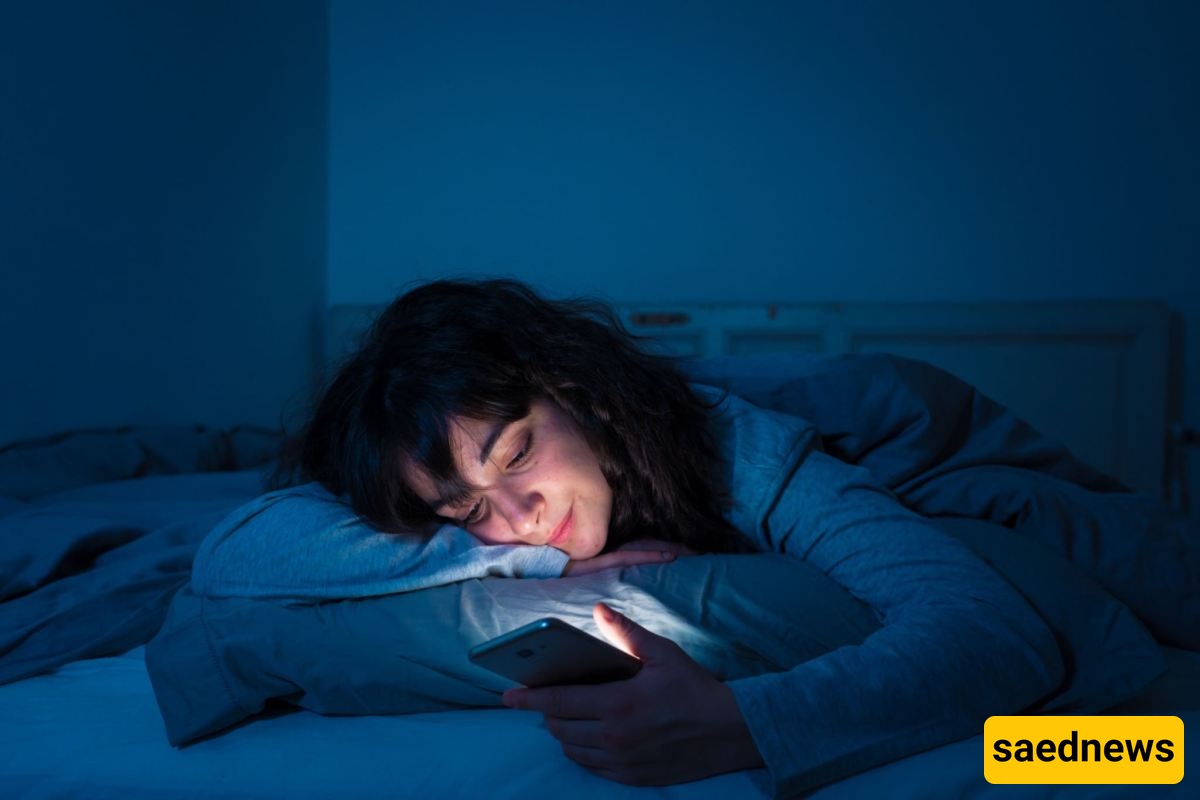
Research indicates that bright light, including blue light, can suppress melatonin production and shift the body's circadian rhythm.
However, many studies demonstrating strong effects of blue light on sleep have used relatively high light intensities under controlled laboratory conditions. In everyday situations, smartphone screens generally produce lower light levels, and their effects depend on several factors.
In other words, smartphone blue light is a potential risk factor rather than a definite or sole cause of insomnia.
Some people may have no significant difficulty sleeping after briefly using their phones at night, while others may be more sensitive. Teenagers and people who regularly fail to get enough sleep may be particularly vulnerable.
Furthermore, watching exciting videos, responding to work messages, playing competitive games, or browsing social media can stimulate the brain and delay sleep.
In these situations, blue light is not the only issue. Mental and behavioural stimulation also contribute to sleep disruption.
Although smartphone blue light can influence sleep, sleep quality is affected by a combination of factors. Understanding these factors provides a more realistic picture of the issue.
Using a smartphone for extended periods during the one or two hours before bedtime may increase the likelihood of delayed sleep.
The longer the exposure to screen light and the closer it occurs to bedtime, the greater its potential impact.
A very bright screen in a dark room attracts more attention and increases exposure to light.
Reducing screen brightness and keeping the phone at a greater distance from your eyes can help minimise exposure.
Watching a relaxing video is very different from responding to work messages or following anxiety-provoking news.
Stimulating content can increase mental alertness and delay sleep, even when blue light exposure is relatively low.
Going to bed late and waking up at irregular times can disrupt the circadian rhythm.
Even when using a blue-light filter, an inconsistent sleep schedule can still cause sleep-related problems.
Drinking coffee or energy drinks in the afternoon or evening can interfere with sleep.
Alcohol may also disrupt sleep during the second half of the night.
By contrast, regular physical activity during the day can contribute to better sleep quality.
Exposure to natural light in the morning helps regulate the circadian rhythm.
On the other hand, excessive light at night, including bright indoor lighting, can send signals to the brain that encourage wakefulness.
Many smartphones and applications offer a night mode or blue-light filter that changes the screen's colour towards warmer yellow or orange tones.
These features can reduce blue-light exposure and make nighttime screen use more comfortable for some people.
However, blue-light filters are not a magical solution.
First, these filters do not necessarily eliminate all blue light.
Second, even with reduced blue-light exposure, staying awake for hours and consuming stimulating content can still interfere with sleep.
Third, overall screen brightness and surrounding environmental light also matter.
Therefore, night mode should be considered a helpful additional tool alongside healthy sleep habits, rather than a replacement for them.
Improving sleep does not necessarily mean giving up your smartphone completely. However, changing how and when you use it can make a meaningful difference.
Here are some practical recommendations:
Ideally, reduce smartphone and other screen use one to two hours before going to bed.
If this is difficult, try putting your phone away at least 30 minutes before bedtime.
During the evening, lower your screen brightness to a comfortable level that still allows you to read easily.
Using dark mode and night mode may also help.
Before bedtime, replace anxiety-provoking news, work messages, and exciting games with calming activities.
Listening to an audiobook, gentle music, or a relaxing podcast can be a better alternative.
Notifications from messaging applications and social media can interrupt sleep.
Enabling Do Not Disturb mode during nighttime hours can help maintain a peaceful environment and reduce unnecessary interruptions.
Try to go to bed and wake up at approximately the same time every day, including weekends.
A consistent routine helps regulate your circadian rhythm and supports better sleep quality.
Exposure to natural daylight in the morning signals to the brain that it is time to wake up.
This also helps regulate the body's internal clock and supports healthy nighttime sleep.
A dark bedroom encourages melatonin production and creates a more suitable environment for sleep.
Consider using blackout curtains and switching off unnecessary light sources.
If you continue to experience significant difficulty falling asleep, frequent nighttime awakenings, severe daytime fatigue, or persistent insomnia despite following healthy sleep recommendations, it is advisable to consult a doctor or sleep specialist.
Sleep disturbances can have several underlying causes, including anxiety, depression, sleep apnoea, restless legs syndrome, and other medical conditions.
In such cases, focusing exclusively on smartphone blue light may distract from the actual cause of the problem.
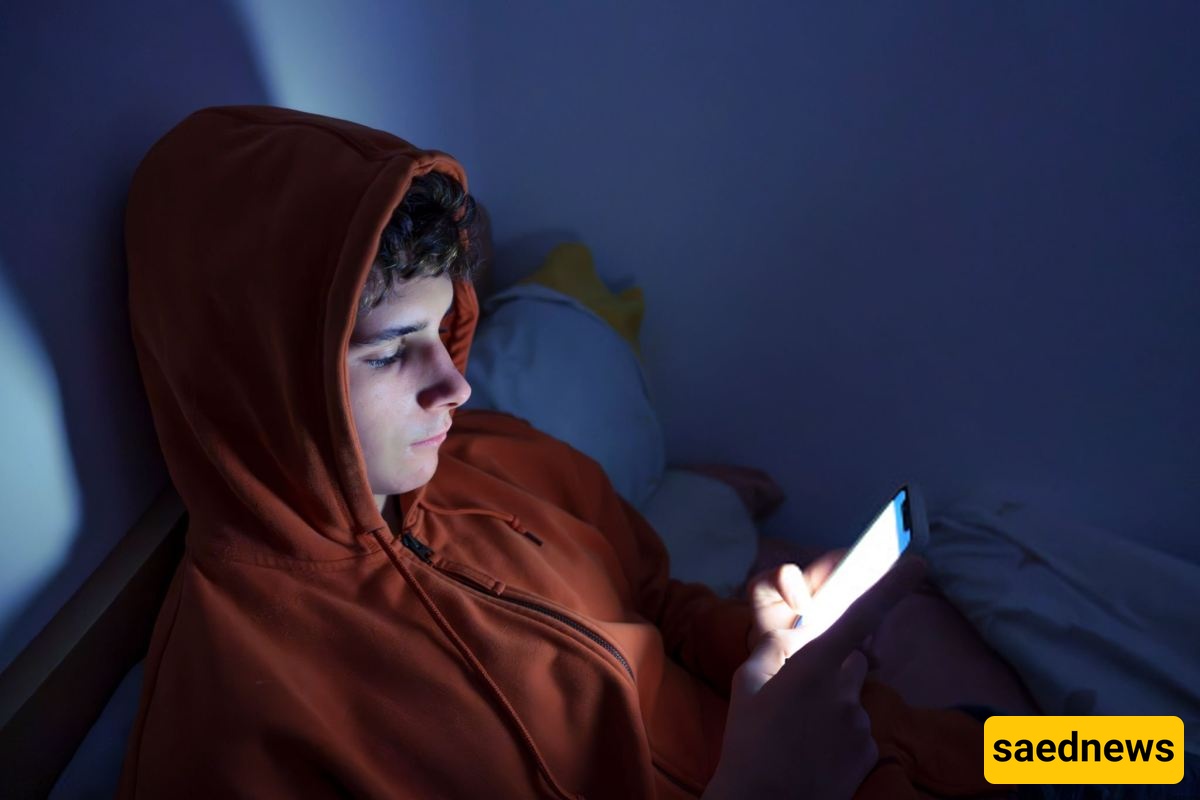
Smartphone blue light can influence sleep by affecting melatonin production and the body's internal biological clock. However, its impact depends on several factors, including exposure time, screen brightness, individual sensitivity, and nighttime habits.
Reducing screen use before bedtime, enabling night mode, maintaining a regular sleep schedule, and limiting stimulating content can all contribute to better sleep.
Ultimately, healthy sleep is not just about avoiding blue light. It is about creating a balanced nighttime routine that allows both your mind and body to relax.