SAEDNEWS: This article introduces the best Surahs and Quranic verses for bringing peace and tranquility to the home, while exploring practical ways to make Quran recitation a regular family habit.

According to Saednews, Home is more than just a place to live. It is a shelter from the pressures of everyday life, a place where family relationships grow, and a space where people can restore their inner peace. In modern life, financial concerns, work commitments, social media, and daily stress can all affect the peaceful atmosphere of a home.
In such circumstances, returning to spirituality and drawing upon the limitless wisdom of the Holy Quran can be an effective way to bring tranquility, hope, and peace into the home.
The Holy Quran is a book of guidance, mercy, and healing. Allah Almighty says:
“And We send down of the Quran that which is healing and mercy for the believers.” (Surah Al-Isra, 17:82)
Another verse states:
“Surely, in the remembrance of Allah do hearts find comfort.” (Surah Ar-Ra'd, 13:28)
For this reason, many families seek the best Quranic surahs for peace and tranquility at home, hoping to fill their living spaces with spirituality, blessings, and serenity through Quranic recitation.
This article introduces some of the most important surahs and verses that are valued in Islamic teachings and traditions for peace, protection, and blessings in the home. It also explores practical ways to make Quran recitation a regular family habit.
It is important to note that the “best” surah depends on an individual's circumstances, spiritual needs, and personal connection with the Quran. Therefore, the following list should be considered a spiritual guide rather than a definitive ranking.

The Holy Quran can contribute to inner peace through both its teachings and its spiritual influence. Listening to the recitation of divine verses in a gentle voice, reflecting on their meanings, and contemplating their messages can help shift the mind away from scattered worries and remind people that they are not alone during difficult times.
Reciting the Quran at home creates a unique spiritual atmosphere. When family members hear its recitation, a sense of emotional security and spiritual closeness can develop within the household. This effect becomes even more meaningful when recitation is accompanied by understanding, sincerity, and consistency.
Furthermore, the Quran encourages patience, hope, forgiveness, and trust in Allah. Families who maintain a close relationship with the Quran may be better equipped to handle disagreements and everyday tensions with patience and balance.
Therefore, Quran recitation should not be viewed solely as an individual act of worship. It can also become a shared family practice that strengthens harmony and tranquility at home.
Surah Al-Fatiha, also known as Umm Al-Kitab (The Mother of the Book), is one of the most important chapters of the Quran. It is recited in daily prayers, and many Muslims recite it while seeking healing, peace, and blessings.
Surah Al-Fatiha summarizes the relationship between humanity and Allah through its themes of monotheism, mercy, and divine guidance.
Reciting Surah Al-Fatiha in a calm voice at home, especially before sleeping or after prayer, can help create a peaceful spiritual environment.
Reflecting on its meaning reminds us that all matters ultimately rest in Allah's hands. This belief can help ease anxiety and strengthen trust in Him.
Ayat al-Kursi is verse 255 of Surah Al-Baqarah. Although it is not an entire surah, it holds a particularly important place in Islamic traditions concerning spiritual protection and peace.
Many families recite Ayat al-Kursi before sleeping, after prayers, or whenever they feel vulnerable or unsettled.
Its emphasis on the oneness of Allah, His absolute power, and His complete knowledge of all things makes it especially meaningful.
Reciting Ayat al-Kursi while reflecting on its meaning reminds believers that they are under the protection and care of Allah.
The final two verses of Surah Al-Baqarah, verses 285 and 286, hold a special status in Islamic traditions.
These verses emphasize faith, submission to Allah, prayer, and seeking forgiveness. Reciting them at home, particularly at night, can help strengthen a sense of spiritual security.
Their message reminds us that Allah does not burden a person beyond their capacity and that He is merciful toward His servants.
This perspective can help reduce psychological pressure and keep hope alive in the heart.
Surah Ya-Sin is one of the most beloved chapters of the Quran and is traditionally known as the “Heart of the Quran.”
Many Muslims recite this surah during times of illness, anxiety, or when seeking spiritual comfort.
Its central themes include the oneness of Allah, prophethood, the Hereafter, and divine mercy.
Listening to or reciting Surah Ya-Sin in a gentle voice can contribute to a calmer atmosphere at home.
The important point is to approach its recitation with respect, attentiveness, and reflection rather than relying on excessive practices or unfounded beliefs.
Surah Al-Mulk is among the chapters recommended for recitation before sleeping in Islamic traditions.
It discusses Allah's sovereignty, creation, and human responsibility. Reading this surah reminds believers that the universe operates according to divine wisdom.
Especially at night, its recitation can provide spiritual reassurance and a sense of peace.
Families can make Surah Al-Mulk part of their nightly routine and encourage children to become familiar with listening to it.
Surah Al-Ikhlas, Surah Al-Falaq, and Surah An-Nas are three short but highly significant chapters of the Quran.
In Islamic tradition, these surahs hold a special place in seeking refuge in Allah and spiritual protection.
Surah Al-Ikhlas emphasizes the absolute oneness of Allah, while Surahs Al-Falaq and An-Nas encourage believers to seek His protection from harm, evil, and temptation.
Reciting these surahs at home, especially with children, can help create a sense of spiritual reassurance.
Parents can recite them together with their children and explain their simple meanings to help them understand their messages.
Surah Ar-Ra'd contains important verses about the signs of creation and Allah's mercy.
Verse 28 is among the most well-known verses of the Quran concerning inner peace:
“Surely, in the remembrance of Allah do hearts find comfort.”
This verse clearly emphasizes that remembering Allah is a fundamental source of tranquility for the heart.
Reflecting on this surah can help people maintain a more hopeful outlook during difficult circumstances.
Reciting Surah Ar-Ra'd during family gatherings or moments of anxiety can be a meaningful spiritual practice.
Surah Ar-Rahman is filled with reminders of Allah's countless blessings and His infinite mercy.
The repeated verse:
“So which of the favors of your Lord will you deny?”
encourages people to appreciate and give thanks for the many blessings they enjoy.
One reason this surah can be spiritually comforting is its emphasis on gratitude. Gratitude shifts our attention from what we lack toward what we already have, increasing feelings of contentment and satisfaction.
Reciting Surah Ar-Rahman with family members, particularly in a beautiful voice and with reflection on its meaning, can help create an atmosphere of mercy and affection at home.
It can also provide an opportunity for family discussions about the blessings in their lives.
Surah Al-Kahf is a lengthy and meaningful chapter of the Quran, and Muslims are encouraged to recite it on Fridays.
It includes thought-provoking stories such as the People of the Cave, Prophet Musa and Khidr, and Dhul-Qarnayn.
Its central themes include monotheism, perseverance in the face of trials, and the temporary nature of worldly life.
The lessons of this surah can help people develop a deeper perspective on life's challenges and remember that hardships do not last forever.
Setting aside time every Friday to recite Surah Al-Kahf can become a meaningful and peaceful family tradition.
Surah Ash-Sharh begins with a powerful reminder of relief and ease following hardship.
“For indeed, with hardship comes ease.”
This short but meaningful surah can be particularly comforting for those experiencing psychological pressure, hopelessness, or emotional distress.
Reciting Surah Ash-Sharh during moments of anxiety or worry reminds us that difficulties are not permanent and that Allah's mercy is always present.
Its simple and accessible message also makes it suitable for children and teenagers, helping strengthen hope within the family.
Surah Ad-Duha begins with an oath by the brightness of the morning and the stillness of the night.
It reminds Prophet Muhammad (peace and blessings be upon him) that Allah had not abandoned him.
This surah carries a comforting message for those who experience loneliness, feelings of abandonment, or hopelessness.
Reciting Surah Ad-Duha at home can remind family members that they are not alone during difficult times and that hope in Allah's mercy should always remain alive.
Its short verses also provide an excellent opportunity for family reflection and conversations about hope and reassurance.
Surah Yusuf tells a powerful story of patience, forgiveness, and a beautiful outcome after hardship.
It offers important lessons for families about forgiveness, emotional control, loyalty, and trust in divine wisdom.
Reading and reflecting on Surah Yusuf, especially during family gatherings, can create opportunities to discuss communication skills, conflict resolution, and forgiveness.
The story demonstrates how faith and patience can help people overcome even the most difficult circumstances.
There is no single fixed list that establishes one surah as the best choice for everyone in every situation.
The most suitable surah depends on a person's emotional circumstances, family needs, and familiarity with the Quran.
For example:
For people experiencing anxiety: Surah Ash-Sharh and Surah Ad-Duha may provide meaningful spiritual comfort.
For those seeking spiritual protection at home: Ayat al-Kursi, Surah Al-Falaq, and Surah An-Nas are especially significant.
For family gatherings and reflection: Surah Ar-Rahman, Surah Yusuf, and Surah Al-Kahf offer valuable lessons.
More important than choosing a particular surah are consistency, sincerity, and reflection.
Reciting the Quran without attention, simply as an outward habit, may not bring the same depth of spiritual benefit. In contrast, reading a few verses attentively and putting their teachings into practice can have a much greater impact.
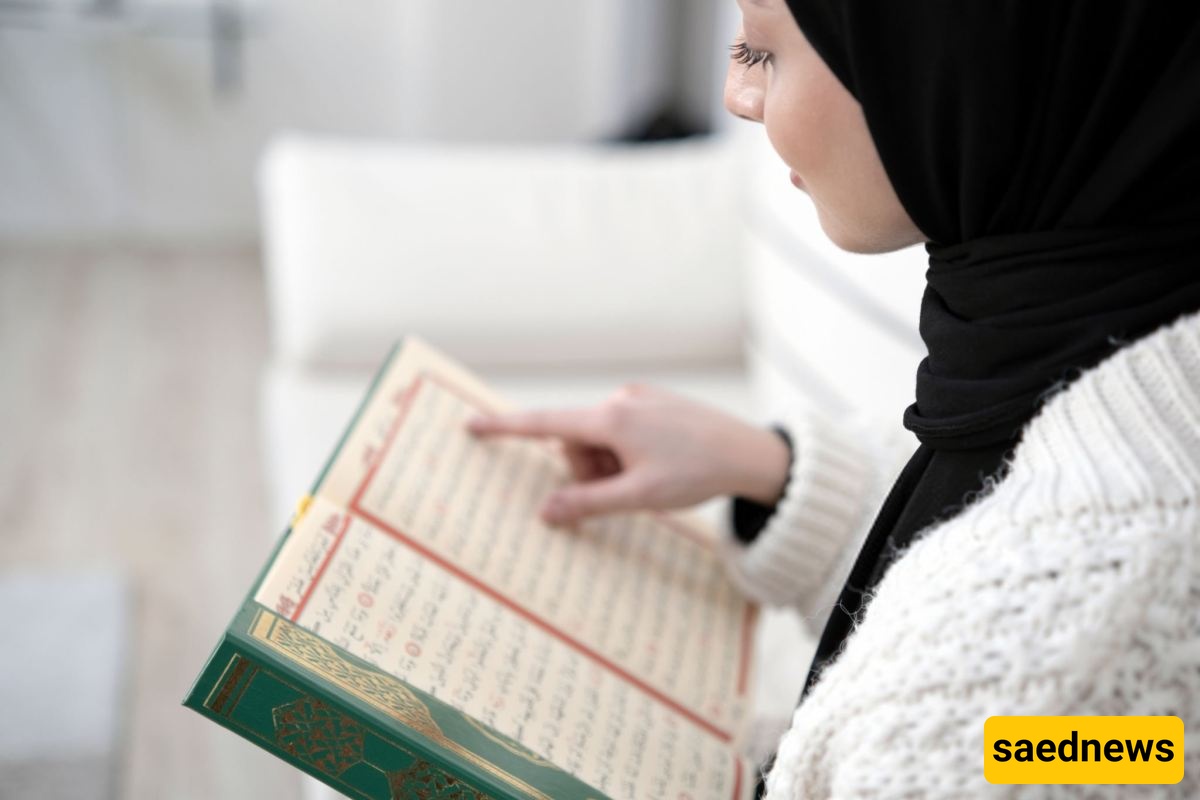
Choose a time when all or most family members are at home, such as after the Maghrib prayer or before bedtime.
Even ten minutes of shared Quran recitation each day can help transform the atmosphere of a household.
Playing gentle Quran recitation at certain times of the day, particularly while doing household activities or before sleeping, can create a spiritual atmosphere.
Choosing a peaceful recitation at a moderate volume is generally more suitable for relaxation than playing it loudly.
Reading a translation or a simple explanation of Quranic verses helps family members understand their messages.
You can choose one verse each evening and discuss its meaning together as a family.
Children can recite short surahs alongside their parents or learn their simple meanings.
This practice can strengthen their sense of spiritual belonging and emotional security.
True peace at home comes from combining the teachings of the Quran with good manners.
If Quran recitation is not accompanied by kindness, respect, forgiveness, and avoiding harsh behavior, its positive influence on the family atmosphere will remain incomplete.
The Quran is a book of guidance and mercy, not a tool for creating fear or promoting superstitious beliefs.
Recitation should be performed with sincere intentions, respect, and moderation.
It is also important not to treat Quran recitation as a substitute for medical treatment, professional counseling, or practical solutions to life's problems.
Through its emphasis on trust in Allah, patience, gratitude, hope, and forgiveness, the Holy Quran encourages values that can positively influence psychological well-being.
Families who incorporate these values into their everyday lives may become better equipped to cope with emotional stress and life's challenges.
For example:
Trust in Allah can help reduce anxiety about the future.
Gratitude can increase life satisfaction and contentment.
Forgiveness can reduce resentment and family tensions.
Patience can help people respond more calmly to difficult situations.
The Quran also reminds people of death and the temporary nature of worldly life. This perspective can help reduce excessive attachment to material things and strengthen inner peace.
However, it is important to understand that lasting psychological well-being comes from a combination of faith, physical health, healthy relationships, stress management, and professional support when needed.
The Quran serves as a valuable source of meaning, spiritual strength, and hope along this journey.
SEO title: 12 Best Surahs in the Quran for Peace, Protection, and Blessings at Home
Alternative SEO title: Which Quranic Surahs Bring Peace and Tranquility to Your Home?
Suggested meta description: Discover 12 Quranic surahs and verses for peace, protection, and blessings at home, along with practical ways to build a peaceful spiritual routine for your family.