SAEDNEWS: Stretch fabrics add comfort, flexibility, and style to clothing. This article explores the different types of stretch fabrics, their compositions, and their various uses.
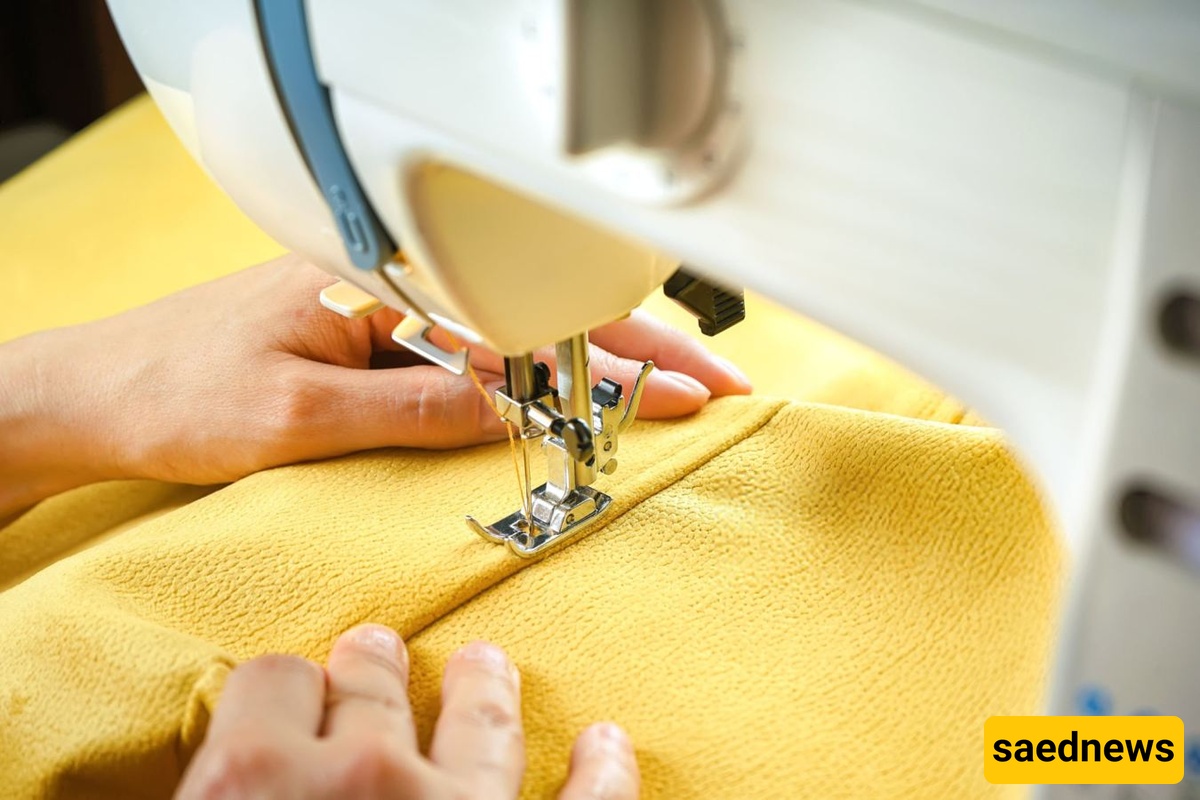
According to Saednews, There are two main types of stretch fabrics, classified according to the direction in which they stretch:
Two-way stretch fabrics: These fabrics stretch in one direction, either lengthwise or widthwise.
Four-way stretch fabrics: These fabrics stretch in both directions, lengthwise and widthwise.
Many fabrics have different levels of stretch. Their elasticity depends largely on the fibers and yarns used in their construction. Common materials that contribute to stretch include spandex, rubber, polyester blends, linen blends, and other natural or synthetic fibers.
To determine how stretchy a fabric is, check the percentage of spandex, elastane, or other elastic fibers in its composition. You can also test the fabric yourself. Some four-way stretch fabrics, for example, may stretch more in one direction than the other.
Before sewing, it is important to test your fabric because different stretch materials behave differently.
Follow these steps:
Fold the fabric along its width.
Mark a 4-inch section of the fabric.
Gently but firmly stretch the marked section.
Measure how far it stretches using a ruler.
Use the following guidelines to determine its stretch level:
Less than 4.5 inches: The fabric has little or no significant stretch.
Approximately 5.25 inches: The fabric has moderate stretch.
More than 6 inches: The fabric has a high level of stretch.
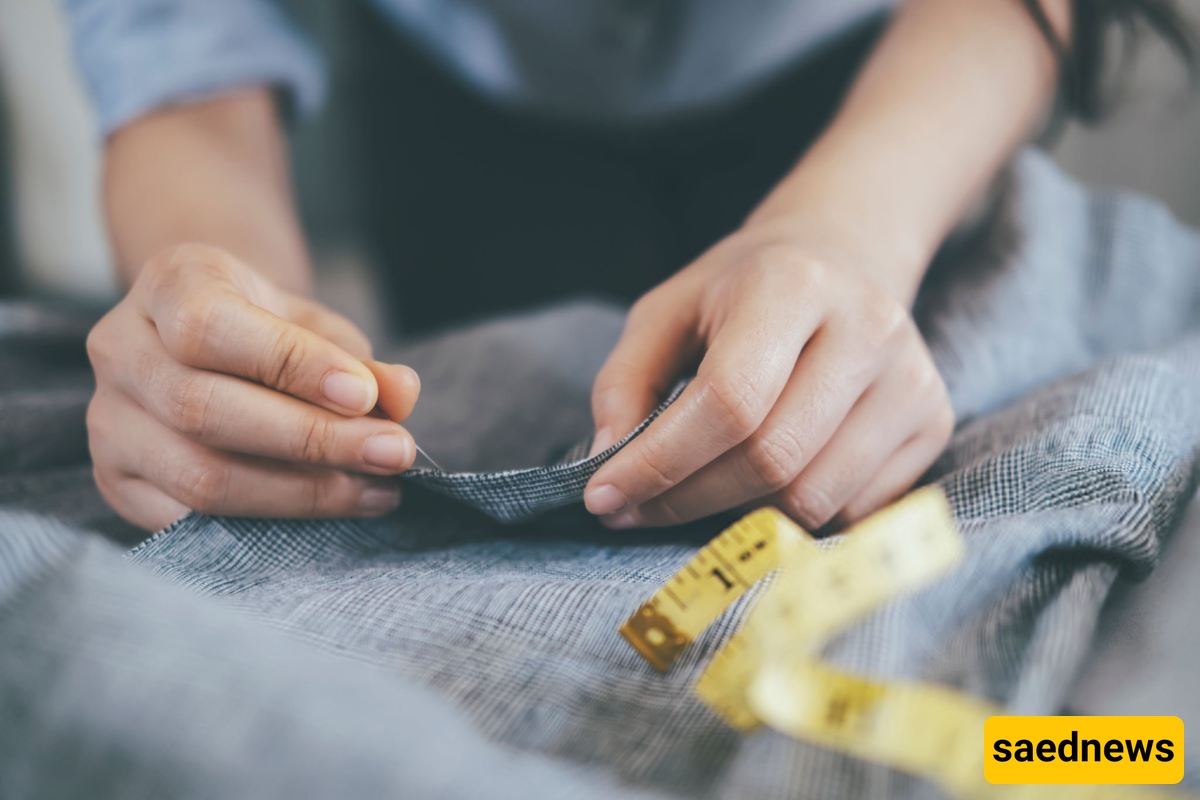
Most knitted fabrics stretch in at least one direction. Their natural elasticity makes them excellent choices for garment construction.
Jersey Knit
Jersey is a lightweight to medium-weight knitted fabric with good stretch. It is widely used for sportswear, casual clothing, and everyday garments.
Cotton jersey is a soft, lightweight, and drapey fabric commonly used for T-shirts. Its cotton fibers provide excellent comfort and breathability.
Wool jersey can be machine-knitted or hand-knitted using wool yarns. One disadvantage is that its cut edges may curl or fray.
Other popular knitted fabrics used in clothing include:
3×3 rib knit
Bamboo jersey
Rayon double knit
Interlock jersey
Double knit
Silk linen knit
Silk jersey
Spandex is a synthetic fiber that revolutionized the textile industry. It can stretch up to 300–400% of its original length, depending on its composition and construction.
The amount of spandex used in a garment varies according to its intended purpose. It commonly accounts for approximately 1–5% in everyday clothing and 12–15% in activewear.
Spandex is a generic term for highly elastic fibers. It can be blended with different materials, including cotton, nylon, and wool.
Lycra is a well-known brand of spandex originally developed by DuPont.
When blended with other fibers, spandex can provide approximately 2–20% elasticity to the resulting fabric, depending on the blend and fabric construction.
This is a soft, comfortable, four-way stretch fabric. Spandex typically makes up around 3–5% of the blend.
It is commonly used for:
T-shirts
Skirts
Dresses
Casual clothing
When synthetic fibers are combined with elastane to create knitted fabrics, the resulting material may be referred to as slinky knit. These fabrics can be classified according to their primary fibers.
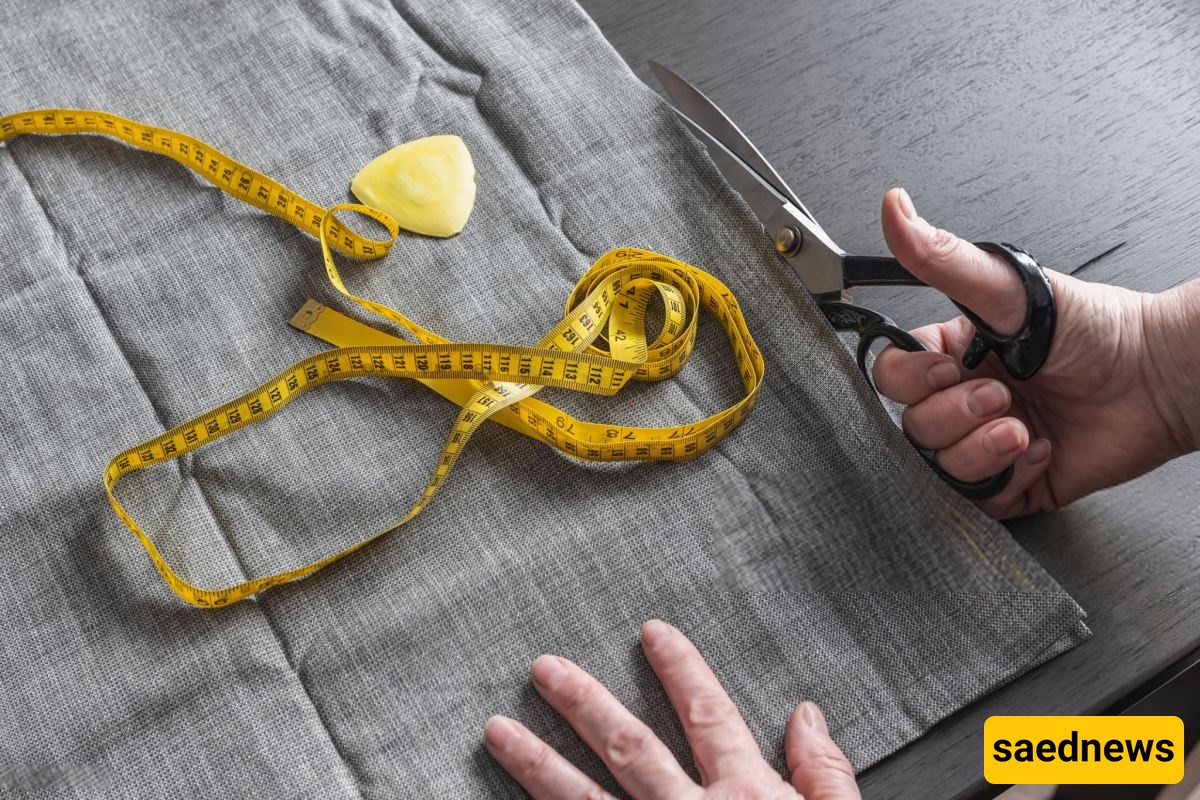
This fabric is lightweight, flexible, and highly stretchable. It is commonly used for leggings and other fitted garments.
It can also be used to create leather-like clothing, accessories, dancewear, and stage costumes.
Stretch satin is generally made from a polyester-spandex blend. It combines the flexibility of stretch fabric with the smooth, glossy appearance of satin.
It is suitable for elegant dresses, fitted garments, and special-occasion outfits.
Stretch linen blends offer a textured appearance and can provide up to approximately 15% stretch, depending on their composition.
They are suitable for stylish garments and can also be used for performance and dance costumes because of their attractive finish.
This fabric features a foam backing and is commonly used in upholstery and furniture manufacturing.
This stretch fabric is widely used for:
Swimwear
Leggings
Sportswear
Cycling clothing
It is generally a four-way stretch material and often contains around 15% spandex.
Tricot, including Italian tricot, is a type of nylon-based knitted fabric that can offer approximately 25–50% stretch, depending on its construction.
Rayon-spandex fabric offers excellent stretch and a silky appearance, making it ideal for comfortable, body-hugging garments.
Bamboo rayon is particularly soft and comfortable.
Other available blends include:
Acetate-spandex
Linen-spandex
Tencel-spandex
Cotton-spandex
Stretch denim is a lightweight denim fabric designed to provide greater comfort and freedom of movement.
It is typically made from a blend of cotton, polyester, and spandex.
Stretch denim is suitable for fitted jeans, skirts, and dresses.
Stretch cotton poplin combines cotton, poplin fabric construction, and spandex.
It can offer approximately 10% stretch while remaining comfortable and breathable. This material is particularly suitable for blouses and lightweight garments.
Faux leather and vinyl are versatile materials used in fashion accessories and upholstery.
Common applications include belts, decorative accessories, and furniture coverings.
Stretch lace is a popular choice for garments that require both elegance and flexibility.
It is generally made from a combination of synthetic and elastic fibers. Its stretch properties make it suitable for leggings, fitted blouses, evening dresses, and skirts.
Powernet is a stretch mesh fabric containing a high percentage of elastane.
It usually offers four-way stretch and excellent support, making it particularly suitable for lingerie, shapewear, and supportive undergarments.
Natural latex is produced from the sap of rubber trees. Although it can be used to make clothing, latex garments are generally not suitable for everyday wear.
Latex is difficult to sew and can be challenging to put on and remove. It is also non-breathable and may irritate the skin.
However, latex offers greater elasticity than spandex and has water-resistant properties, making it useful for specialized clothing.
Latex garments require special care and should not be sent to ordinary dry cleaning services, as certain cleaning chemicals can damage the material.
Neoprene is a synthetic rubber-like polymer.
It is widely used to manufacture scuba diving wetsuits and is available in different thicknesses.
Neoprene is also popular in the fashion industry for clothing, bags, and various accessories.
Stretch fabrics come in many different forms, each offering unique levels of elasticity, comfort, flexibility, and durability.
Some woven fabrics can also provide stretch when they are constructed using elastic yarns or specialized fabric techniques.
Understanding the different types of stretch materials and testing their elasticity before sewing will help you choose the right fabric for your project and achieve better-fitting, more comfortable garments.