SAEDNEWS: Sealed containers can protect food, but the wrong container or storage conditions may trap moisture and affect freshness and quality.
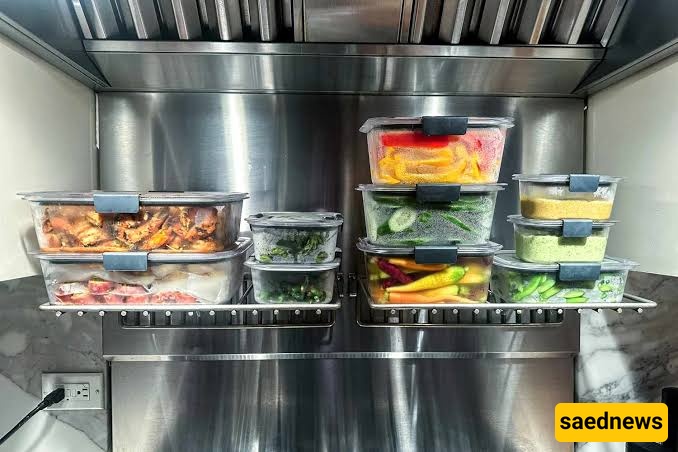
According to SAEDNEWS, storing food in a tightly closed container is often a practical way to protect it from air, odors, contamination, and moisture loss. However, airtight storage is not automatically the best option for every food. The food itself, its temperature, moisture content, and the length of storage all influence which method works best.
Some foods release moisture after they are placed in storage. If warm or moist food is sealed immediately, condensation can form inside the container. Excess moisture can make certain foods soggy and may accelerate quality deterioration.
For example, freshly cooked food should generally be allowed to cool appropriately before being covered and refrigerated. At the same time, perishable foods should not be left at room temperature for prolonged periods simply to cool completely.
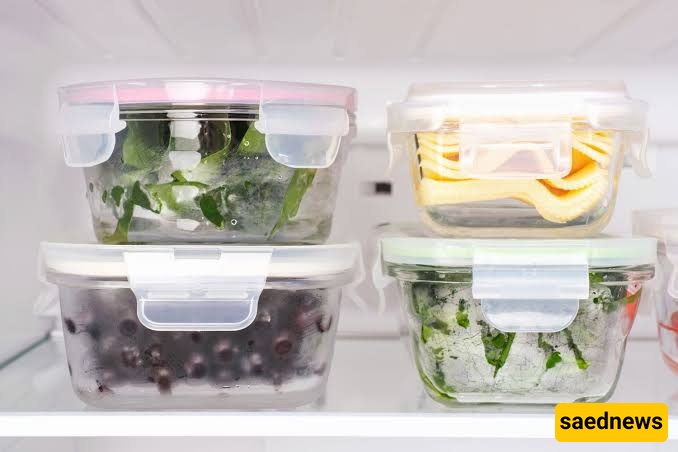
The ideal storage method depends on the characteristics of the food. Consider these examples:
Fresh herbs: Excess moisture can cause them to deteriorate quickly, so completely airtight storage is not always ideal.
Crisp vegetables: Condensation inside a sealed container can reduce their desirable texture.
Dry foods: These generally benefit from protection against humidity, making well-sealed containers useful.
Cooked foods: Covered, clean containers are appropriate for refrigeration, but the food should be handled and cooled safely.
A container should provide enough space for the food and be suitable for its intended storage temperature. Overfilling can cause food to become compressed, while unsuitable materials or poorly fitting lids may affect storage quality.
The goal is therefore not simply to seal everything tightly, but to choose a storage method that balances protection, moisture control, temperature, and the food's physical characteristics.
A good rule is simple: use airtight storage when preventing moisture exchange or exposure is beneficial, but avoid assuming that maximum sealing is always better. Proper refrigeration and timely storage remain especially important for perishable foods.