SAEDNEWS: Proper storage can help carrots stay crisp and fresh for longer. Keeping them cool, dry, and protected from excess moisture is key.

According to SAEDNEWS, carrots can lose their firmness, develop soft spots, or become less appealing when stored under unsuitable conditions. The best storage method depends on whether they are whole, peeled, or already cut, but controlling moisture and temperature is generally the most important step.
Start by removing the green tops if they are still attached. The leaves can draw moisture from the carrot and contribute to faster loss of firmness. Avoid washing whole carrots before long-term storage unless they are going to be used soon. If they are dirty, gently remove loose soil and make sure the carrots are dry before storing.
For everyday home storage, the refrigerator is usually the most practical choice. Place the carrots in a perforated or loosely closed bag or a suitable food-storage container that allows some moisture control. Excess condensation can encourage spoilage, while completely dry conditions can cause carrots to lose moisture and become limp.
Keep carrots away from areas of the refrigerator where they may be exposed to excessive moisture or freezing temperatures. A vegetable drawer is generally a suitable location because it is designed for storing fresh produce.
Remove the leafy tops. Cut them off without removing a large portion of the carrot itself.
Keep the carrots dry. Do not store freshly washed carrots while they are still wet.
Use a suitable bag or container. A perforated bag can help balance humidity and ventilation.
Place them in the refrigerator. The vegetable drawer is a convenient option.
Check them regularly. Remove any carrot showing signs of spoilage so it does not affect other produce.
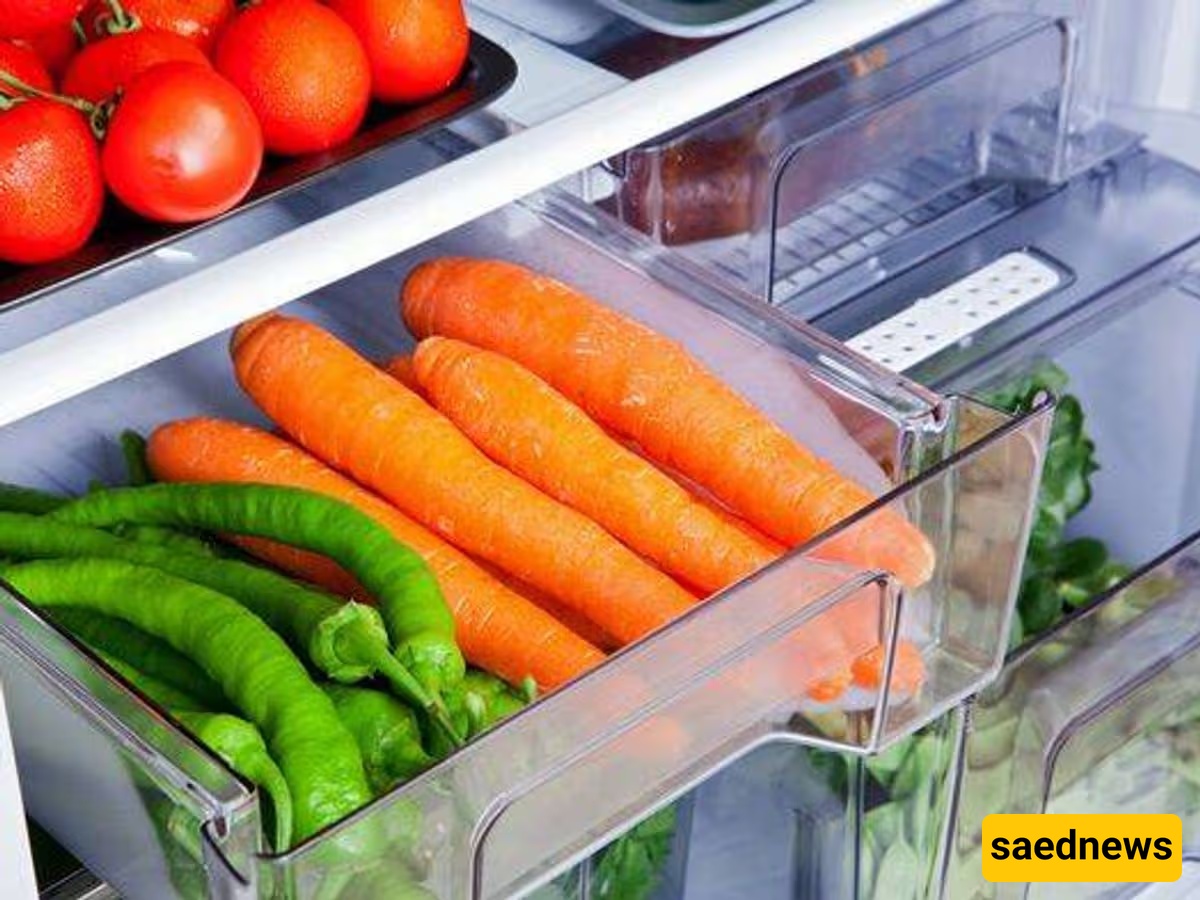
Once carrots have been peeled or cut, they should be refrigerated in a clean, covered container. Cut carrots can be kept crisp by storing them with a small amount of clean water and changing the water regularly. Before eating, rinse them with clean water and use them while they remain fresh and firm.
• Do not store carrots while they are wet unless using a method specifically intended for cut carrots.
• Keep damaged or spoiled pieces separate from sound carrots.
• Avoid leaving prepared carrots at room temperature for extended periods.
• Check stored carrots periodically for softening, discoloration, unpleasant odors, or visible mold.
With a cool environment, appropriate humidity, and regular inspection, carrots can retain their texture and quality considerably longer than when they are simply left exposed at room temperature.