SAEDNEWS: Proper storage helps keep lemons fresh, juicy, and flavorful for longer. Refrigeration and protection from excess moisture can slow drying and spoilage.
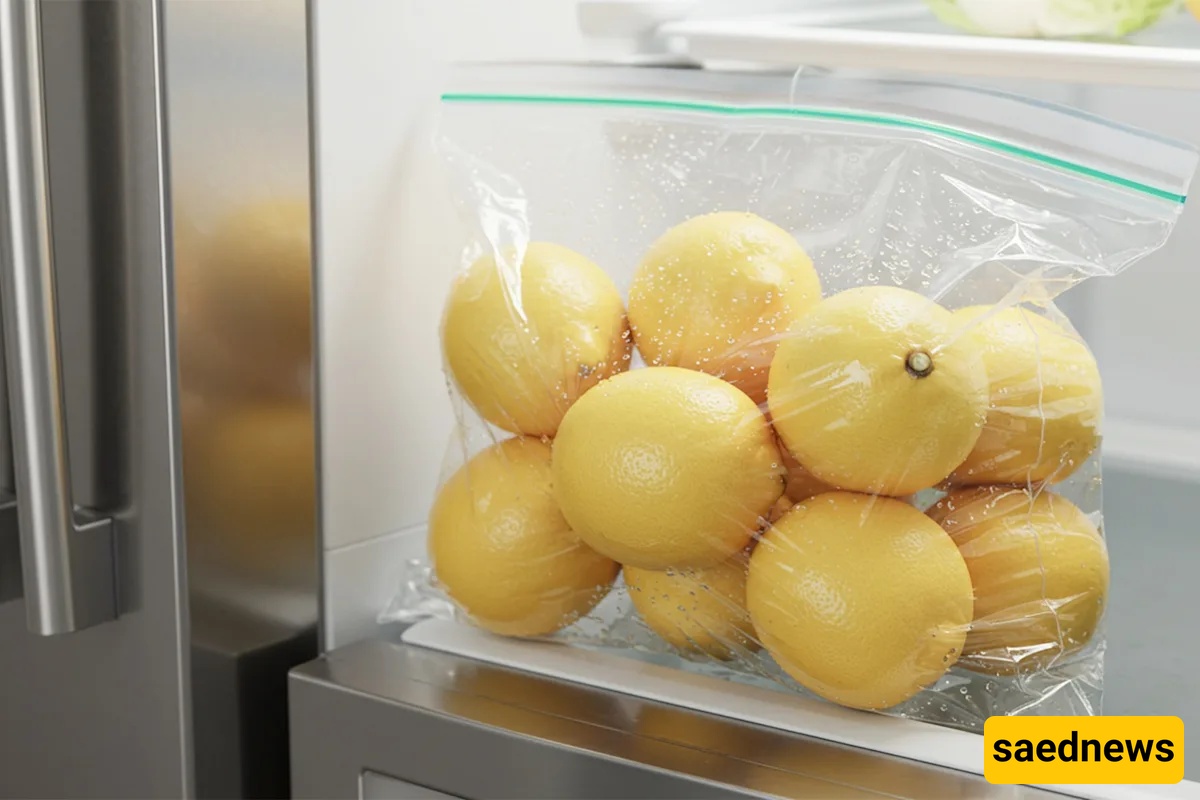
According to SAEDNEWS, refrigeration is one of the easiest ways to prevent lemons from losing moisture. Whole lemons can be placed in the refrigerator, preferably inside a sealed or reusable food-storage bag. Limiting exposure to circulating air helps reduce dehydration and keeps the skin from becoming hard and wrinkled.
Use A Proper Storage Container
A suitable container can provide an extra layer of protection against moisture loss. Place whole lemons in an airtight container or a well-sealed food-storage bag before putting them in the refrigerator. Avoid storing them uncovered, as constant exposure to dry refrigerator air can gradually reduce their juiciness.

Store Cut Lemons Carefully
Cut lemons dry out much faster than whole ones, so they need additional protection. Wrap the cut surface tightly with food-safe wrap or place the lemon in a sealed container. Keeping the exposed flesh covered helps slow moisture loss and prevents the lemon from absorbing odors from other foods.
Avoid Excess Moisture
Although lemons benefit from protection against dry air, excess moisture can encourage mold and spoilage. Make sure lemons are dry before storing them, and remove any lemon that shows signs of mold or significant deterioration. Checking stored lemons regularly can help prevent one spoiled fruit from affecting others.
Choose The Right Storage Time
For the best flavor and texture, use stored lemons while they are still firm and juicy. Whole lemons generally stay fresh longer in the refrigerator than at room temperature, while cut lemons should be used sooner. Storing only the amount needed and checking their condition before use can help reduce food waste and keep lemons at their best.