SAEDNEWS: Storing cheese in unsuitable conditions can alter its moisture balance and make its texture noticeably different.
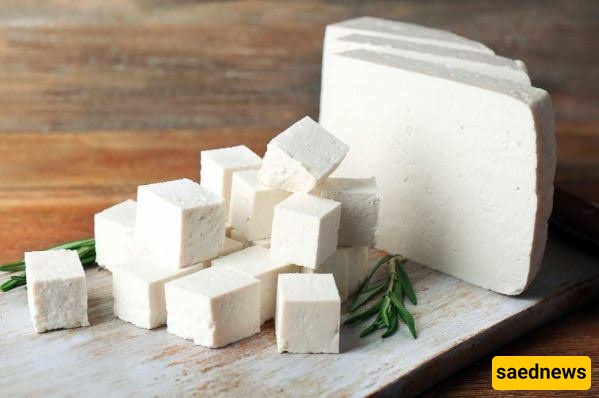
According to SAEDNEWS, the way cheese is wrapped and stored can affect more than its freshness. One common mistake is leaving cheese exposed to dry refrigerator air or wrapping it too tightly in a way that prevents appropriate moisture exchange. Both situations can gradually change its texture.
Cheese contains water, fat, proteins, and other components that contribute to its characteristic texture. When it loses moisture in the refrigerator, its surface may become dry, firm, or cracked. On the other hand, excessive trapped moisture can make the surface feel unusually damp or soft.
Temperature changes can also contribute to texture problems. Repeatedly taking cheese out of the refrigerator and leaving it at room temperature before returning it to cold storage can create fluctuations in moisture and condensation.

For many cheeses, proper wrapping and a stable refrigerator temperature help maintain their original quality. Avoid leaving cheese uncovered, particularly in a refrigerator where circulating air can gradually dry it out.
Helpful habits include:
Keep cheese properly wrapped or stored in a suitable food container.
Avoid leaving it exposed to refrigerator air for long periods.
Store it in a consistently cool part of the refrigerator rather than repeatedly moving it between warm and cold areas.
Use clean utensils when handling cheese to reduce unnecessary contamination.
Follow the storage instructions provided for the particular type of cheese.
The wrapping should protect the cheese without creating excessive trapped moisture. If condensation repeatedly collects around the cheese, its surface can become wetter than intended. If the wrapping allows too much air exposure, moisture can escape and leave the cheese noticeably firmer.
The ideal storage method depends on the type of cheese, since soft and firm varieties have different moisture levels and storage requirements. Paying attention to the recommended storage conditions can therefore help preserve both texture and quality.