SAEDNEWS: Parmesan cheese, known for its distinctive flavor and grainy texture, is one of the world’s most popular cheeses. It is widely used in pasta dishes, salads, soups, and desserts.
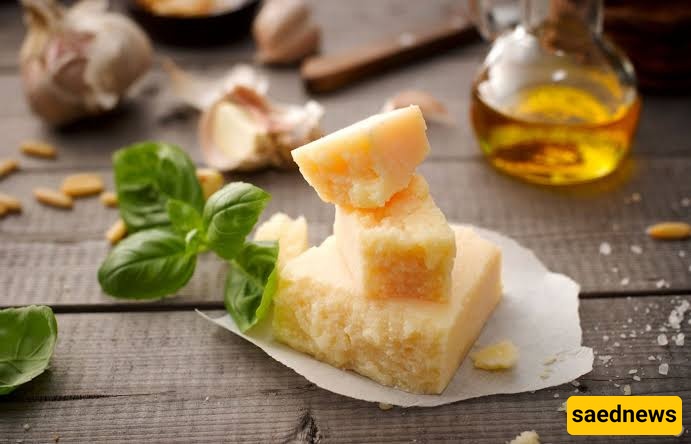
According to Saednews, Parmesan cheese, known in Italian as Parmigiano Reggiano, is one of the world’s most famous and widely used hard cheeses. Originally produced in Italy’s Emilia-Romagna region, it is prized for its distinctive flavor, granular texture, and excellent grating qualities. From pasta and salads to soups and even desserts, Parmesan can transform the character of countless dishes.
Producing authentic Parmesan is a precise and time-consuming craft that follows strict standards:
Fresh milk: Milk from local cows fed primarily on grass and hay is used. Partially skimmed milk with around 2.5–3% fat produces excellent results.
Coagulation: The milk is combined with natural rennet, allowing it to form curds. This takes approximately 10–12 minutes.
Cutting the curd: The curd is broken into very small pieces, roughly the size of grains of rice.
Heating: The mixture is heated to approximately 55°C (131°F).
Molding: The curds are transferred into large circular molds and pressed.
Salting: The cheese is immersed in a saltwater brine for approximately 20–25 days.
Aging: The wheels are stored in specially controlled aging rooms at around 18–20°C with approximately 85% humidity. The minimum aging period is 12 months, while premium varieties may be aged for 24, 36, or even 48 months.
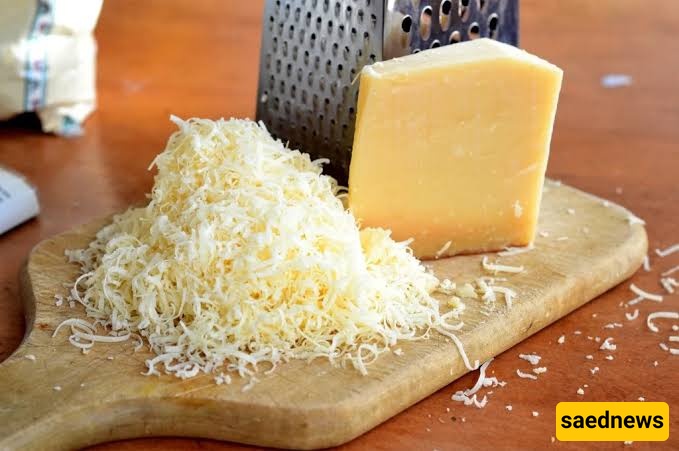
Parmesan is a concentrated source of several important nutrients.
Protein: Approximately 35 grams of protein are found in every 100 grams, making Parmesan one of the most protein-rich cheeses.
Calcium: With roughly 1,100 mg of calcium per 100 grams, it can make a valuable contribution to bone health.
Phosphorus: Together with calcium, phosphorus supports healthy bones and teeth.
Vitamin A: This vitamin contributes to normal vision and immune function.
Sodium: Because of the salting process, Parmesan contains a relatively high amount of sodium—around 1.5 grams per 100 grams.
Lactose: Properly aged Parmigiano Reggiano contains extremely little lactose because most of it is broken down during production and maturation. This means many people with lactose intolerance can tolerate it, although individual tolerance varies.
Parmesan can be broadly categorized according to its aging period:
Aged for approximately 12–18 months, this cheese has a softer texture and milder flavor. It is suitable for everyday eating and grating over pasta.
Aged for around 18–24 months, it develops a firmer texture and more pronounced flavor. It works particularly well grated over cooked dishes and salads.
Aged for more than 36 months, this variety is exceptionally firm and granular, with a deep, intense, and slightly spicy flavor. It is excellent served on its own with fruit or honey.

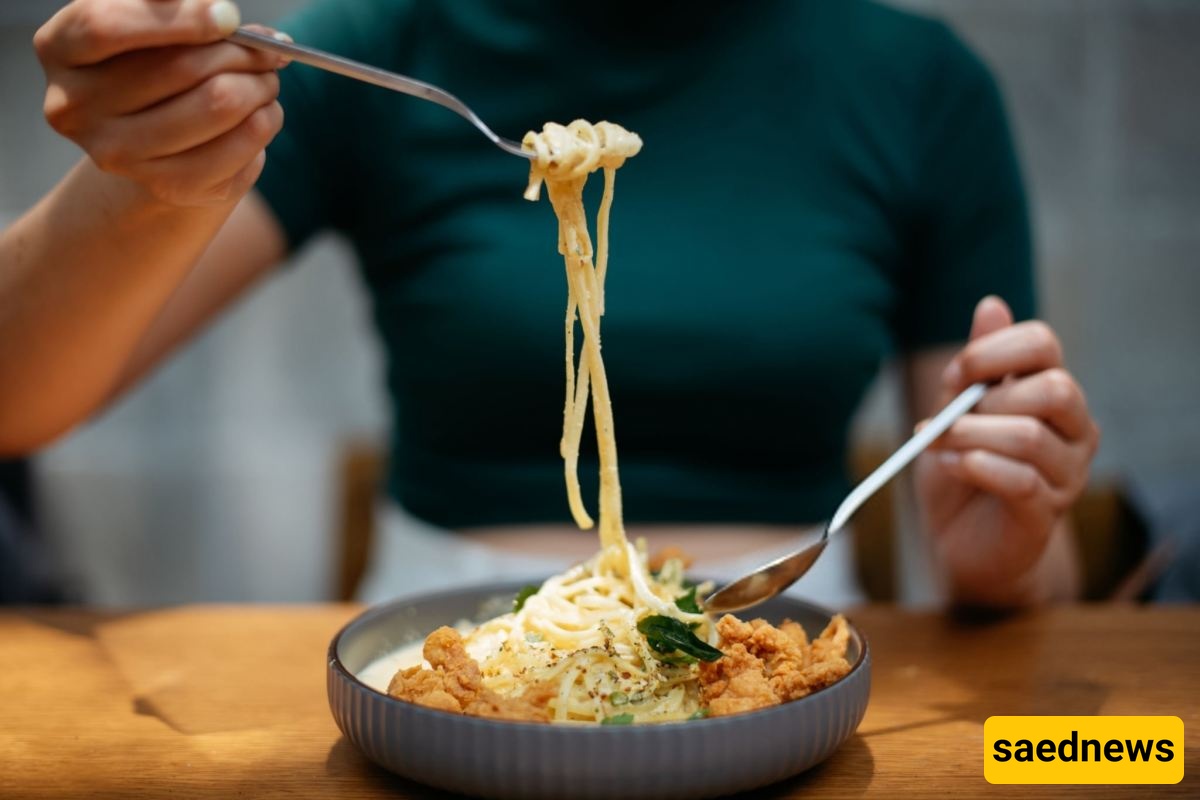
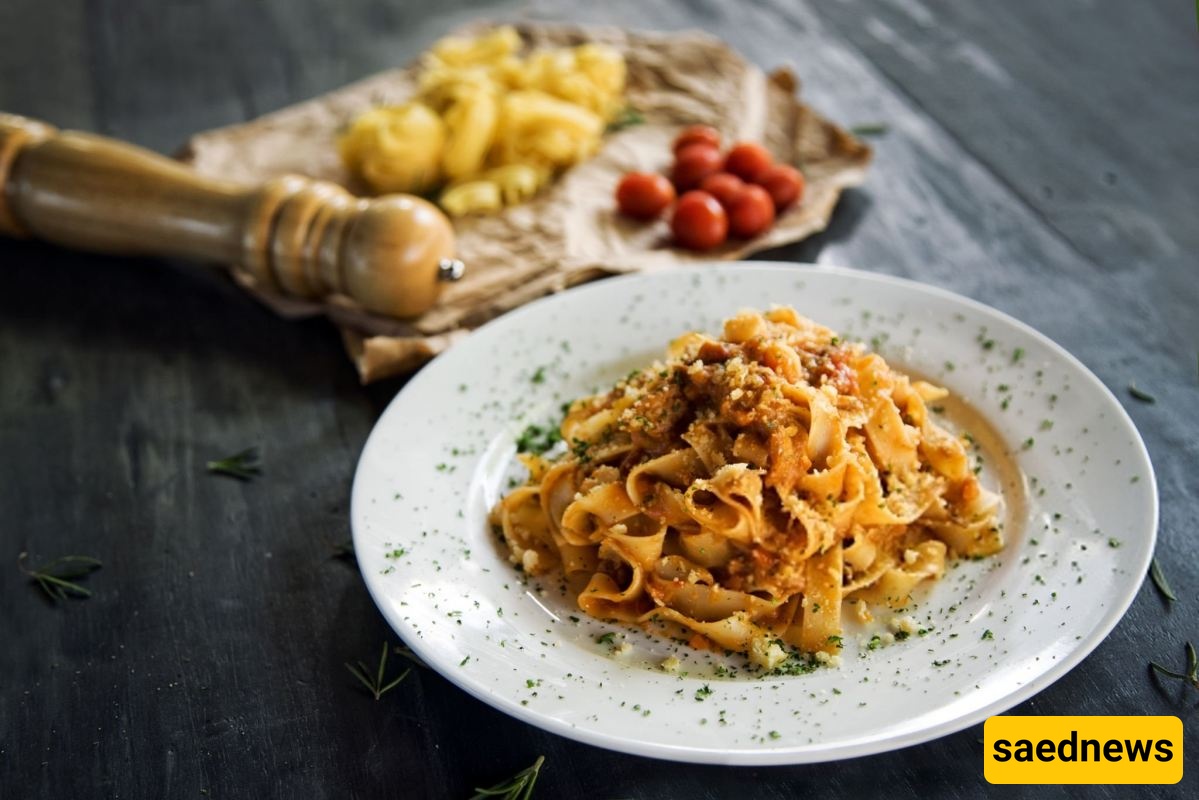
Parmesan is a classic companion to Italian pasta. From spaghetti carbonara to lasagna and fettuccine Alfredo, freshly grated Parmesan adds remarkable depth of flavor.
Tip: Add Parmesan toward the end of cooking, preferably after removing the dish from direct heat, to preserve its flavor and texture.
Thin shavings of Parmesan are a classic addition to Caesar salad or green salads with balsamic dressing. Finely grated Parmesan also makes an excellent garnish.
Minestrone, tomato soup, and pumpkin soup can become richer and more flavorful with grated Parmesan. The rind can also be added to soups while they simmer to provide extra savory depth.
Classic Milanese risotto and mushroom risotto become creamier and more flavorful when grated Parmesan is stirred in at the end of cooking.
Adding grated Parmesan to Margherita, four-season, or other pizzas creates a deeper and more savory flavor.
A small amount of grated Parmesan can turn scrambled eggs or an omelet into a flavorful and satisfying breakfast.
Chicken Parmesan is one of the best-known Italian-American dishes. Parmesan can also be combined with breadcrumbs to create a flavorful coating for veal, chicken, or fish.
Broccoli, cauliflower, and asparagus become especially delicious when roasted with grated Parmesan and a little olive oil.
Parmesan may sound unusual as a dessert ingredient, but aged Parmesan pairs surprisingly well with honey, fresh figs, pears, and even dark chocolate. In Italy, aged Parmigiano Reggiano is sometimes served with honey or fig preserves.
Pesto, Alfredo sauce, and béchamel can all gain a richer, creamier character from grated Parmesan.
Buy Parmesan as a whole piece rather than pre-grated whenever possible, since grated cheese loses its aroma and flavor more quickly.
Look for a firm, granular texture.
The natural color should generally be a straw-yellow shade.
Avoid cheese with unusual dark spots or an unpleasant sour smell.
Authentic Parmigiano Reggiano carries the protected designation of origin (PDO) markings and identifying information.
Wrap Parmesan in wax paper or parchment paper and then place it in a suitable storage bag or container.
Keep it refrigerated at approximately 4–8°C (39–46°F).
A properly stored piece can remain in good condition for several months. Freezing is possible for longer storage, although it can alter the texture.
Don’t throw away the rind! Parmesan rinds are excellent for adding savory flavor to soups, stews, and sauces.
Not every cheese sold as “Parmesan” is authentic Parmigiano Reggiano. Key differences include:
Labeling: Authentic Parmigiano Reggiano is protected under the PDO system and carries identifying markings.
Texture: Genuine Parmesan has a firm, crumbly, granular structure, while many substitutes are softer and more paste-like.
Flavor: Authentic cheese develops a complex, nutty, savory, and slightly sharp flavor.
Color: Genuine Parmesan generally has a natural straw-yellow appearance.
Price: Authentic Parmigiano Reggiano tends to cost more because of its lengthy aging process and strict production requirements.
Ingredients:
400 g spaghetti
4 eggs
100 g grated Parmesan
200 g bacon or guanciale
Black pepper, to taste
Method:
Cook the pasta in salted boiling water.
Fry the bacon or guanciale until golden.
Whisk the eggs together with Parmesan and black pepper.
Add the hot pasta to the cooked meat.
Remove from direct heat and quickly mix in the egg-and-cheese mixture until creamy.
Serve immediately.
Ingredients:
4 chicken breasts
2 eggs
200 g breadcrumbs
100 g grated Parmesan
2 cups tomato sauce
200 g mozzarella
Olive oil, as needed
Method:
Slice the chicken breasts horizontally and pound them until evenly thin.
Beat the eggs.
Combine the breadcrumbs with Parmesan.
Dip each piece of chicken first into the egg and then into the breadcrumb mixture.
Fry in olive oil until golden.
Arrange tomato sauce, chicken, mozzarella, and Parmesan in a baking dish.
Bake at 180°C (350°F) for approximately 20 minutes.
Ingredients:
1 head of romaine lettuce
100 g Parmesan, thinly shaved
100 g croutons
Caesar dressing made with ingredients such as garlic, lemon, olive oil, Dijon mustard, and anchovies
Method:
Chop the romaine lettuce and place it in a large bowl.
Add the Caesar dressing and toss well.
Top with croutons and Parmesan shavings.
Serve immediately.
Parmigiano Reggiano is far more than a simple topping for pasta. Its long maturation, concentrated flavor, distinctive granular texture, and versatility make it one of the most valuable ingredients in Italian cuisine. Whether grated over a steaming bowl of pasta, stirred into a creamy risotto, baked onto vegetables, or paired with honey and fruit, authentic Parmesan can add remarkable depth and character to both traditional and modern dishes.