SAEDNEWS: Using milk powder and a few simple ingredients, you can easily prepare healthy and delicious homemade cheese. This quick, budget-friendly method is simple enough for anyone to make at home.
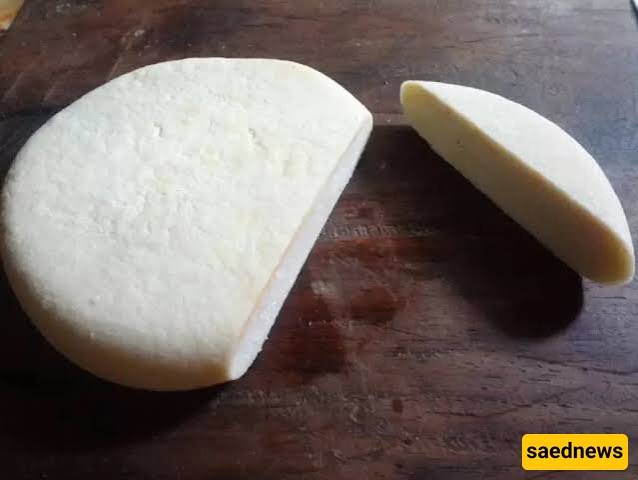
According to Saednews, Contrary to popular belief, you do not always need fresh milk to make homemade cheese. Powdered milk, which is commonly available in many households, can be used to prepare a tasty, wholesome cheese without industrial additives. This method is especially useful for people who do not have easy access to fresh milk or want to reduce their food expenses.
In this article, we explain how to make cheese with powdered milk step by step using simple ingredients and basic kitchen equipment.
To make this simple homemade cheese, you will need:
2 cups of full-fat powdered milk (about 200 grams)
4 cups of lukewarm water (about 1 liter)
2 tablespoons of fresh yogurt, for culturing
2–3 tablespoons of white vinegar or fresh lemon juice, to curdle the milk
Salt to taste, usually 1–2 teaspoons
This recipe is straightforward and does not require professional cooking experience. Simply follow the steps below.
Add the powdered milk to the lukewarm water and stir thoroughly until it dissolves completely. You should have a smooth, lump-free liquid.
Avoid using very hot water, as excessive heat can affect the milk proteins.
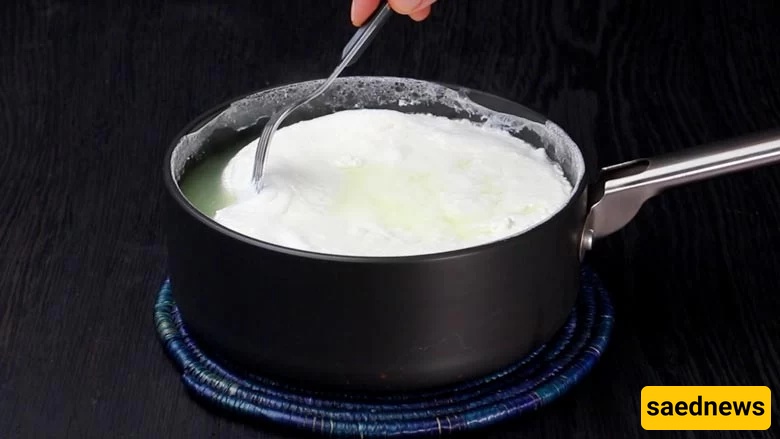
Place the milk mixture over low heat and warm it gently. Once the milk is warm but not hot, add the fresh yogurt and stir well until fully combined.
The yogurt acts as a starter and helps support the curdling process.
When the milk reaches approximately 40–45°C (104–113°F), gradually add the white vinegar or lemon juice.
The milk will begin to separate, with cheese curds forming and separating from the whey. Let the mixture sit for about 5–10 minutes so the curds can develop properly, then turn off the heat.
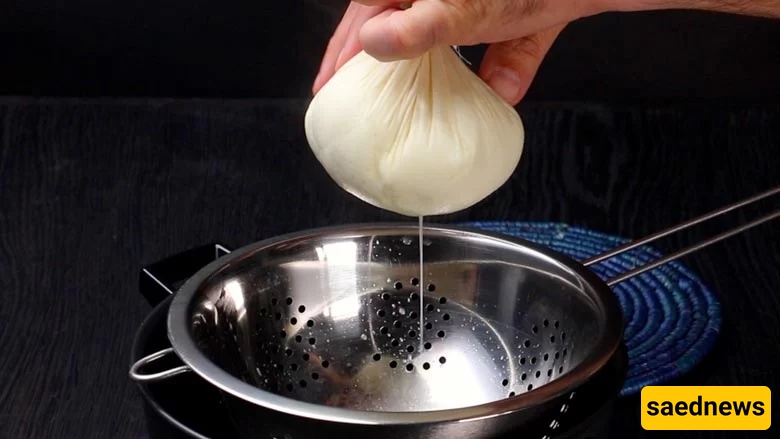
Line a strainer with a clean cotton cloth and pour the milk mixture into it. Allow the whey to drain away.
To remove additional moisture, gather the cloth and gently squeeze it. The more pressure you apply, the firmer the finished cheese will become.
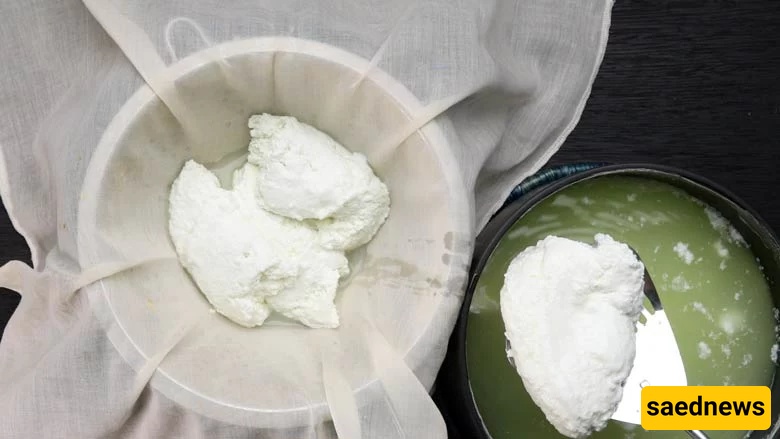
Transfer the cheese to a bowl, add salt, and mix thoroughly.
Shape the cheese however you prefer. You can place it in a round or rectangular container and press it down to give it a firm shape.
For better results, keep these tips in mind:
Use full-fat powdered milk without unnecessary additives.
Keep an eye on the milk temperature. Excessive heat can make the cheese overly firm.
Add the vinegar or lemon juice gradually so the curds form evenly.
For a richer flavor, store the cheese in lightly salted water in the refrigerator for several hours.
Consume the cheese within 3–5 days and keep it refrigerated in a covered container.
Powdered milk offers several practical advantages when making homemade cheese. One of the biggest is its long shelf life and convenient availability. Unlike fresh milk, powdered milk does not require refrigeration before it is prepared.
It can also help reduce costs and gives you some control over the fat content, flavor, and texture of the finished cheese.
Another potential advantage is that properly processed powdered milk generally has a lower risk of microbial spoilage before preparation than fresh milk, provided it is stored and handled hygienically.
Despite its advantages, powdered milk also has some limitations. The most noticeable difference is in the texture and flavor. Cheese made from powdered milk may not have exactly the same richness or texture as traditionally made fresh-milk cheese.
The nutritional profile can also vary depending on how the powdered milk was processed. Some products may have different levels of minerals and vitamins compared with fresh milk. In addition, certain commercial powdered milk products contain added ingredients, so checking the product label is important if you want a simpler ingredient list.
Cheese made from powdered milk generally has a somewhat different texture from fresh-milk cheese and may have a milder or less traditional flavor.
However, by using high-quality ingredients and carefully controlling the temperature and curdling process, you can produce a homemade cheese with a pleasant taste and texture that works well in many dishes.
Making homemade cheese with powdered milk is a simple and economical alternative to using fresh milk. With a few readily available ingredients, you can prepare a versatile homemade cheese without relying on complicated equipment.
This method can be particularly convenient when fresh milk is unavailable or when you are looking for a more budget-friendly way to make cheese at home. With proper temperature control, good-quality ingredients, and careful straining, the result can be a delicious addition to sandwiches, breakfast dishes, and a variety of homemade recipes.