SAEDNEWS: When the fridge is full of odds and ends rather than complete ingredients, you do not necessarily need a recipe. A simple five-part formula—base, vegetables, protein, flavor and texture—can turn leftovers and pantry staples into a satisfying dinner.
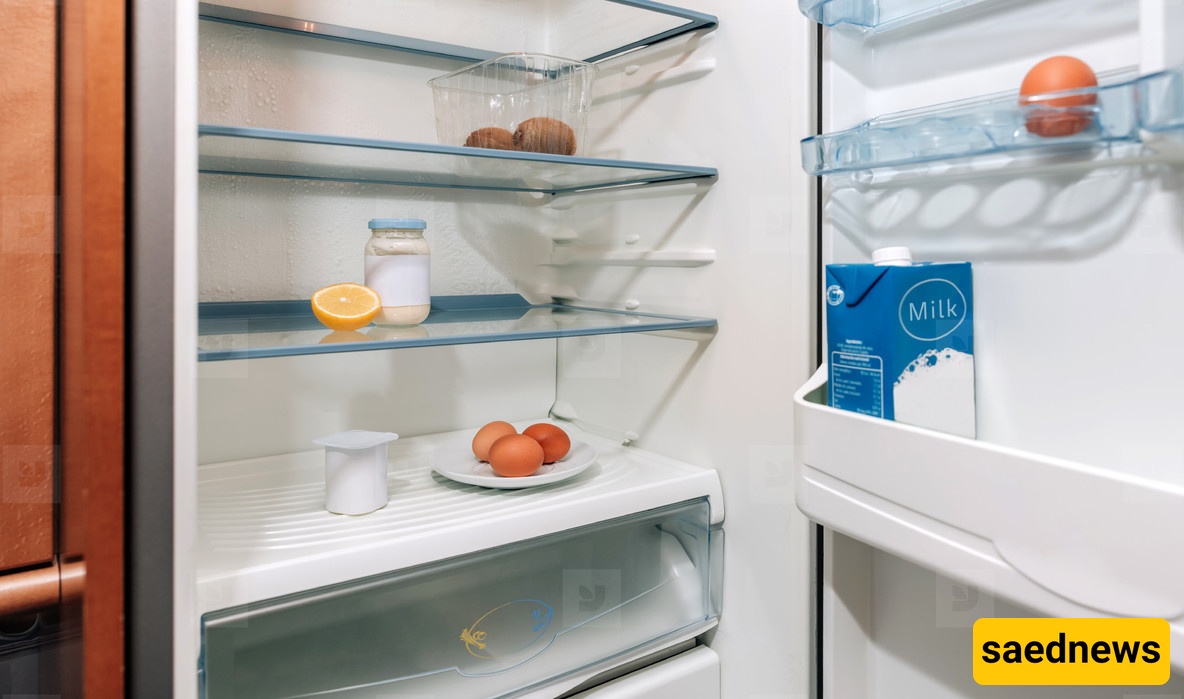
According to SaedNews, an almost-empty fridge can be more useful than it looks. The problem is usually not that there is nothing to eat; it is that the remaining ingredients do not resemble a recipe.
There may be half an onion, two carrots, a little cooked rice, one lonely zucchini, some cheese, a few eggs or yesterday's chicken. Individually, they look like leftovers. Together, they can become dinner.
The trick is to stop asking, “What recipe uses these ingredients?” and instead ask, “What role can each ingredient play?”
That small change turns improvisational cooking into a repeatable formula.
A reliable “use what you have” dinner can usually be built around five elements:
1. A base
Choose something filling: rice, pasta, potatoes, bread, tortillas, noodles, beans or another grain.
2. A vegetable
Use whatever needs attention first—onion, carrot, cabbage, spinach, peppers, mushrooms, tomatoes, zucchini or frozen vegetables.
3. A protein
This could be leftover chicken, cooked meat, beans, lentils, chickpeas, tofu, eggs or cheese. It does not have to be a large portion.
4. A flavor builder
This is what makes the meal taste intentional rather than random. Think garlic, onion, lemon, vinegar, soy sauce, tomato paste, mustard, herbs, spices, pesto, chili sauce or a spoonful of yogurt.
5. A finishing texture
Something crisp, creamy, fresh or crunchy can transform the final dish: toasted bread crumbs, nuts or seeds, fresh herbs, pickles, cheese, a fried egg or a squeeze of lemon.
The formula is flexible rather than mathematical. You do not need all five categories in equal quantities, and one ingredient can sometimes fill two roles.
Before choosing a dish, open the refrigerator and identify the foods that are most perishable or already opened.
StopWaste recommends regular fridge checks and a “use it first” system, while also suggesting a weekly meal built entirely from ingredients already on hand. It specifically points to dishes such as frittatas, fried rice, soups, casseroles and stir-fries as useful ways to combine odds and ends.
That suggests a useful rule for the almost-empty-fridge night:
Do not start with your favorite recipe. Start with the ingredient that needs your attention.
If spinach is wilting, build around spinach. If cooked rice is waiting in the refrigerator, make that the base. If half a jar of tomato sauce needs using, let it determine the direction of the meal.
One of the most forgiving ways to use miscellaneous ingredients is a skillet meal.
Start by cooking your aromatic ingredients—usually onion and garlic—in a little oil. Add firm vegetables first, followed by softer vegetables. Stir in your protein, then add the cooked base.
Now add a small amount of sauce or seasoning.
For example:
Rice + vegetables + egg: soy sauce, chili and sesame seeds
Pasta + vegetables + chicken: tomato paste, garlic and a little cheese
Potatoes + greens + beans: paprika, lemon and yogurt
Bread + vegetables + eggs: turn it into a savory skillet or open-faced toast
Beans + tomato + leftover vegetables: simmer into a quick stew
The important idea is not any particular cuisine. It is the sequence: cook, combine, season, finish.
Imagine the refrigerator contains:
half an onion
one carrot
a handful of spinach
two eggs
a little cooked rice
a piece of cheese
That is enough for a quick rice skillet.
Cook the onion and carrot until softened. Add the rice and let it become slightly crisp in places. Fold in the spinach until wilted. Push everything to one side and cook the eggs in the same pan. Mix them through the rice, then finish with cheese, black pepper and a squeeze of lemon if available.
No single ingredient dominates. The dish works because each one has a job.
If there is no obvious protein, do not assume dinner is impossible.
Eggs, beans, lentils, chickpeas, peanut butter, cheese and some grains can provide substantial building blocks. Pantry staples can also rescue an otherwise thin refrigerator.
This is where a pantry-first approach becomes useful: instead of choosing a recipe and buying everything required, inventory what you already own and build the meal around those ingredients. The approach is also increasingly reflected in ingredient-based meal-planning tools and waste-reduction guidance.
A nearly empty refrigerator paired with rice, pasta, canned beans, eggs or potatoes in the cupboard is not necessarily an empty kitchen.
One of the biggest dangers of improvised cooking is adding too many unrelated flavors.
If your ingredients are already random, the seasoning should usually be simple.
Choose one flavor direction:
Tomato + garlic + herbs
Lemon + olive oil + herbs
Soy sauce + chili + sesame
Curry spices + yogurt
Mustard + honey + vinegar
Pesto + cheese
Cumin + paprika + lemon
You can add supporting seasonings, but having one dominant flavor profile gives leftovers a sense of coherence.
Good Food's leftover guidance emphasizes transforming surplus ingredients into new dishes rather than simply reheating the same plate again. Its examples include soups, stir-fries, pasta dishes and other combinations designed to use ingredients already in the refrigerator.
That distinction matters.
Leftover chicken does not have to remain “leftover chicken.” Shred it into a tomato pasta, fold it into fried rice, put it in a wrap, add it to soup or combine it with potatoes and vegetables.
Yesterday's roasted vegetables can become a frittata. Cooked grains can become a bowl, fried rice or a stuffed pepper filling. Stale bread can become breadcrumbs or crunchy topping.
The goal is not merely to finish food. It is to change its context.
Improvisation does not mean ignoring food safety.
The USDA says most cooked leftovers should be used within 3 to 4 days when properly refrigerated, and leftovers should be reheated to 165°F (73.9°C). Perishable food should not sit at room temperature for more than two hours, or one hour when temperatures are above 90°F (32°C).
So the “use what you have” rule should never become “use absolutely everything.”
If a cooked ingredient has been stored too long or has been left out under unsafe conditions, discard it rather than trying to rescue it with more cooking. Harmful bacteria cannot reliably be detected by smell or appearance alone.
The best part of this approach is that it removes the pressure to have a perfectly stocked refrigerator.
It also changes how grocery shopping works. Instead of treating every leftover half-onion or handful of vegetables as an ingredient waiting for a specific recipe, you begin seeing them as components that can fit into several meal structures.
That matters because food waste is not a small household issue. The UN Environment Programme estimated that 1.05 billion tonnes of food were wasted in 2022, with households responsible for about 60% of that waste at the consumer, retail and food-service levels.
A single improvised dinner will not solve the global food-waste problem. But regularly cooking from what is already available can make a practical difference at home—and it can save the most annoying kind of grocery trip: the one you make because you cannot imagine what to do with the food you already have.
The next time your refrigerator looks almost empty, do not begin with a recipe. Begin with five questions: What is my base? What vegetable needs using? Where is my protein? What flavor will tie it together? And what can I add at the end for texture?
That is often enough to turn “nothing to eat” into dinner.