SAEDNEWS: Mushroom jam is one of the most unconventional and intriguing preserves in Iranian cuisine. By combining the sweetness of sugar with the earthy flavor of mushrooms, this distinctive jam creates a surprisingly unique taste.
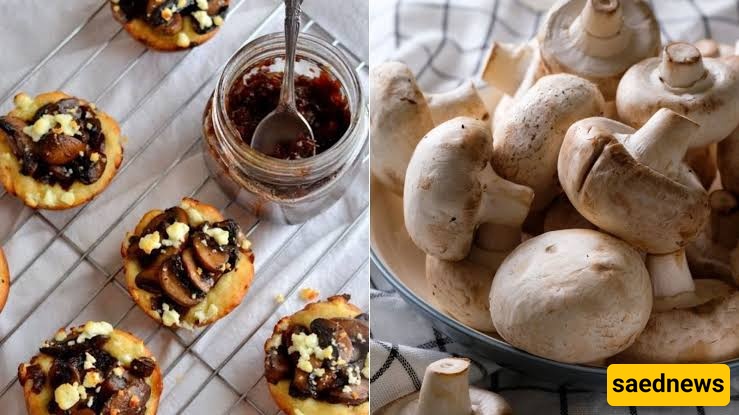
According to Saednews, Mushroom jam is one of the more unusual and intriguing creations in Iranian cuisine. Although the idea may sound surprising at first, this distinctive jam has gained many admirers. The combination of sweet sugar with the delicate, earthy flavor of mushrooms creates an aromatic and elegant preserve that can be enjoyed at breakfast or served as part of creative desserts.
This comprehensive guide explains how to prepare mushroom jam, along with the key techniques for achieving the right texture, color, flavor, and consistency.
King oyster mushrooms (Eringi): 500 g
White sugar: 700–800 g, according to taste
Fresh lemon juice: 1 teaspoon
Concentrated brewed saffron: 2–3 tablespoons
Ground cardamom or whole green cardamom: 1 teaspoon ground cardamom or 5 pods
Rosewater: 2–3 tablespoons, optional
Lemon juice contains citric acid, which serves three important purposes:
It helps prevent the jam from crystallizing during storage.
It helps maintain a brighter, clearer color.
It adds a fresh, slightly tart note that balances the sweetness.
How to Make Mushroom Jam
If you are using king oyster mushrooms, washing them is generally unnecessary. Simply wipe the surface gently with a clean, soft cloth. Washing mushrooms can cause them to absorb excess moisture, which may weaken their texture.
Cut the mushrooms into evenly sized cubes about 1 centimeter wide. Keeping the pieces uniform helps them cook evenly and gives the finished jam a more attractive appearance.
In a covered glass or stainless-steel container, place a layer of mushrooms and sprinkle a layer of sugar over them. Continue alternating the layers until all the ingredients have been used, finishing with a layer of sugar.
Cover the container and refrigerate for about 3 hours, or preferably overnight.
The sugar gradually draws out the mushrooms' natural moisture, creating a flavorful syrup. This method eliminates the need for adding extra water and helps produce a more concentrated aroma and a better final texture.
Transfer the mushrooms and the syrup they have produced to a nonstick saucepan or a heavy-bottomed stainless-steel pot.
Place the pot over very low heat. Avoid using high heat, as excessive heat can make the mushrooms tough and wrinkled while causing the jam to develop an unpleasantly dark color.
Allow the jam to simmer gently, producing only small bubbles. Depending on the type of mushroom and its moisture content, cooking can take approximately 45 to 90 minutes.
Important: The mushrooms should not be freely floating in a large amount of syrup. They should remain slightly compact so that the syrup can gradually penetrate their texture.
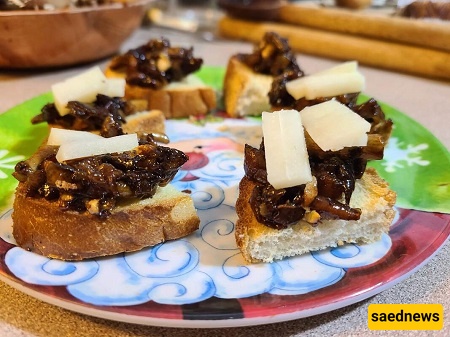
About 30 minutes before the end of cooking, add the brewed saffron, ground cardamom, or lightly cracked whole cardamom pods, along with the rosewater if desired.
It is better not to add these aromatic ingredients at the beginning. Their fragrance comes from volatile compounds that can diminish during prolonged boiling.
To test the consistency, place a spoonful of syrup on a chilled plate and wait briefly. If the syrup thickens after cooling and moves slowly when the plate is tilted, the jam has reached the desired consistency.
During the final minutes of cooking, add the lemon juice and stir quickly. Continue cooking for another 1–2 minutes, then turn off the heat.
Allow the mushroom jam to cool completely. Do not cover it tightly while it is still hot, as trapped steam can affect the clarity of the syrup.
Once cooled, transfer the jam to clean, dry, sterilized glass jars. Sterilizing the jars beforehand, such as by steaming them, can help extend the shelf life of the jam.
Essential Tips for Better Mushroom Jam
If you want a particularly light and clear jam:
Soak the chopped mushrooms in water with a little lemon juice for a few minutes before maceration, then drain and dry them thoroughly.
Use refined white sugar rather than yellow or brown sugar.
Sugar crystallization can occur when the sugar concentration is too high or the cooking process is insufficient. These practices can help:
Do not increase the sugar-to-mushroom ratio beyond approximately 1:1.5.
Do not skip the lemon juice.
Avoid excessive stirring after the heat has been turned off.
For a different flavor profile, you can replace the cardamom and saffron with a small amount of cinnamon powder or a cinnamon stick.
Adding 1 tablespoon of fresh orange peel strips during the final 10 minutes of cooking gives the jam a modern citrus aroma.
A small amount of freshly grated ginger can also introduce a pleasant warmth and subtle spiciness.
If the mushrooms release too much liquid, transfer the excess syrup to a separate saucepan and simmer it until it becomes thicker. Then return it to the jam.
This can help the jam reach the desired consistency more quickly while reducing unnecessary cooking time.
Storage and Shelf Life
Mushroom jam prepared properly with sterilized jars and good hygiene can generally be stored in the refrigerator for up to 6 months, provided the jar remains unopened.
After opening, it is best to consume it within 2–3 months. Always use a clean, completely dry spoon when serving the jam to reduce the risk of mold growth.
For convenient storage, the jam can also be divided into small portions suitable for individual use and frozen. Freezing should have little effect on its flavor and texture when properly packaged.
Final Thoughts
Mushroom jam is an unconventional preserve that highlights the creativity and versatility of Iranian cooking. The unusual combination of mushrooms, sugar, saffron, cardamom, and rosewater creates a distinctive flavor that can be enjoyed in both traditional and contemporary ways.
The most important ingredient is patience. Cooking the jam too quickly over high heat can damage the mushrooms' meaty texture and affect the color and quality of the finished preserve.
Take your time, cook it gently, and allow the flavors to develop naturally. The result is a surprisingly elegant mushroom jam with a rich aroma, delicate texture, and distinctive character.