SAEDNEWS: CCTV cameras should be installed at a height of approximately 2.5 meters from the ground. This is the minimum recommended height for camera installation and can help provide a better view of the surroundings. Although 2.5 meters is the suggested minimum height.
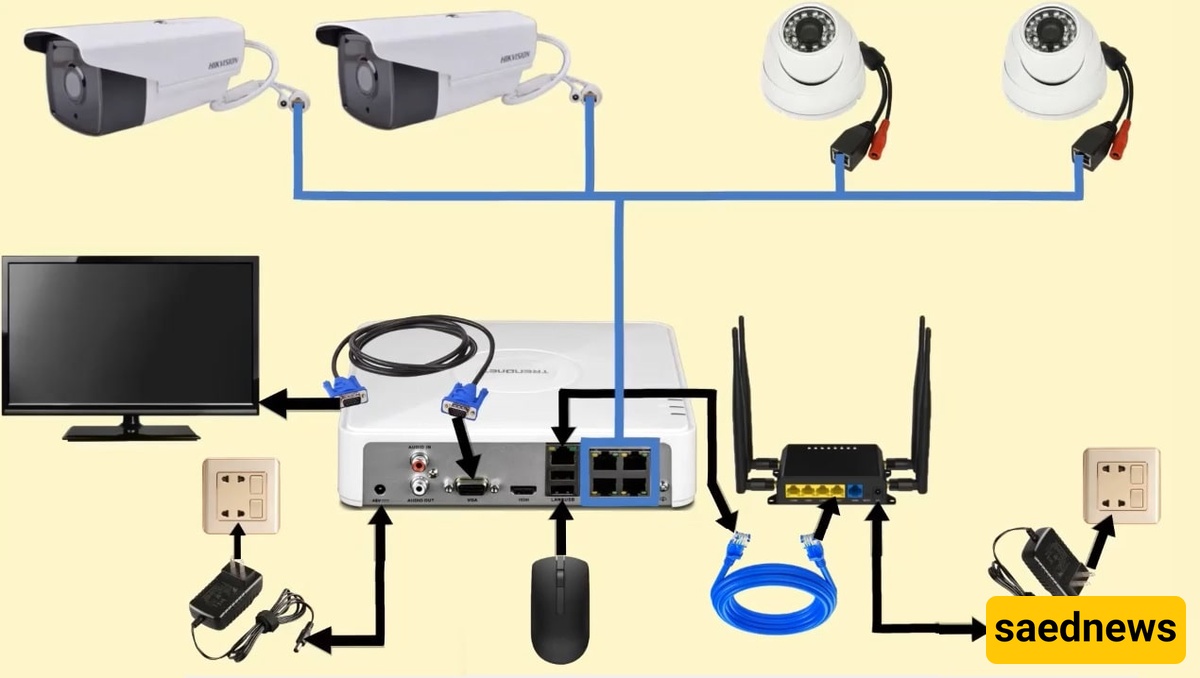
When installing CCTV cameras outdoors, adhering to installation standards is crucial. Cameras must be protected from potential tampering or theft. To achieve this, there are mechanical solutions and security methods designed specifically for outdoor camera installation.
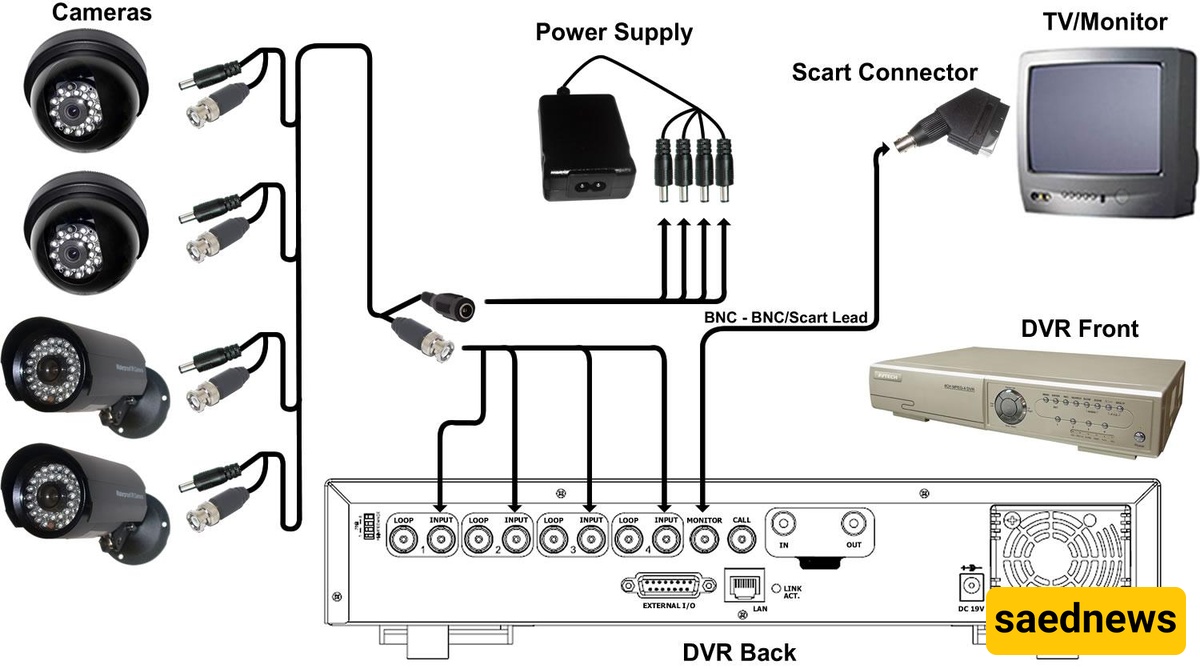
The following table shows standard installation heights for Dahua CCTV cameras, including minimum and maximum distances from the ground:
Maximum Height | Minimum Height | CCTV Camera Type |
|---|---|---|
6 m | 2.5 m | Bullet Camera |
3 m | 2 m | Dome Camera |
10 m | 8 m | Speed Dome |
4 m | 3 m | Lamp Camera |
4 m | 3 m | Fisheye Camera |
Note: The installation height must adhere to these standards. Installing a camera too low or too high can lead to suboptimal performance. For example, fisheye cameras generally require a minimum height of 3 meters; installing them lower may reduce coverage effectiveness. In such cases, consider cameras designed for lower installation heights.
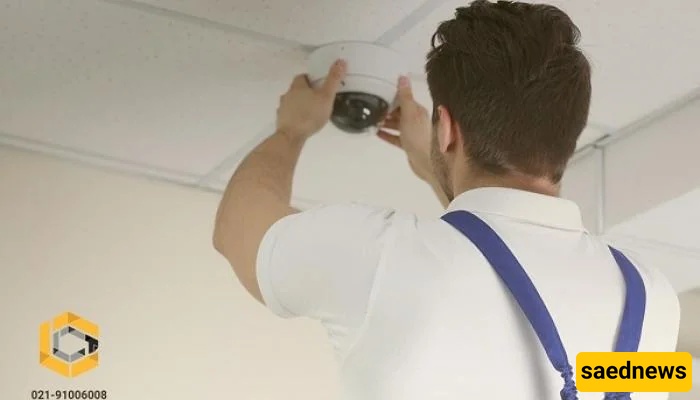
The installation height of CCTV cameras directly affects their performance:
Image Quality and Clarity:
Proper installation height ensures high-quality images. Incorrect height may result in image distortion or reduced clarity when zooming.
Night Vision Range:
CCTV cameras with infrared (IR) night vision require proper height for optimal coverage. Installing too low or too high can limit the effective range of night vision.
Weather Exposure:
Improper height may expose cameras to rain, snow, or wind, potentially affecting performance. It is essential to consider environmental factors when determining installation height.
Proper cabling is as important as camera placement. Key points to consider:
Choosing the Right Path:
Avoid obstacles and select the most practical and aesthetically suitable route for cable installation, especially in commercial or office environments.
Avoiding Interference from Power Cables:
CCTV cables should not run alongside electrical cables that generate interference. Maintain a minimum 30 cm distance between coaxial and power cables to prevent data disruption.
Using Shielded Cables:
When cables must be installed closer to potential interference sources, use shielded cables. Additional insulation can also prevent signal problems.
Avoid Sharp Bends:
Do not bend cables beyond 90° to prevent damage and reduce data transmission efficiency. Replace any damaged connectors immediately.
Do Not Overstretch:
Do not install cables under excessive tension. Allow cables to move freely and avoid visible, exposed routing. Use conduit boxes to conceal any cables emerging from ducts or channels.