SAEDNEWS: If you are a fan of traditional clothing, we recommend staying with us until the end of this article so you can become more familiar with the local clothing of Gilan’s women and men.
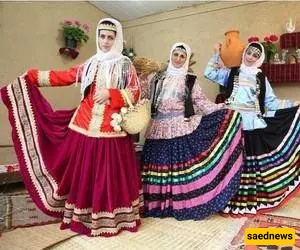
According to Saednews, The traditional clothing of the people of Gilan is one of the most beautiful regional costumes in Iran. It is full of vibrant colors and beauty, carrying the scent of thousands of years of history.
The clothing of the people of Gilan is aligned with their thoughts, taste, type of work, livelihood, and their connection with nature. It is also compatible with religious and cultural beliefs due to its modest design. Even today, people in Gilan still wear these traditional clothes during weddings and in rural areas.
For more information about this beautiful attire, you can explore cultural and artistic resources about Gilan.
The traditional clothing of Gilan women is extremely beautiful, featuring colors inspired by nature and elegant decorative designs.
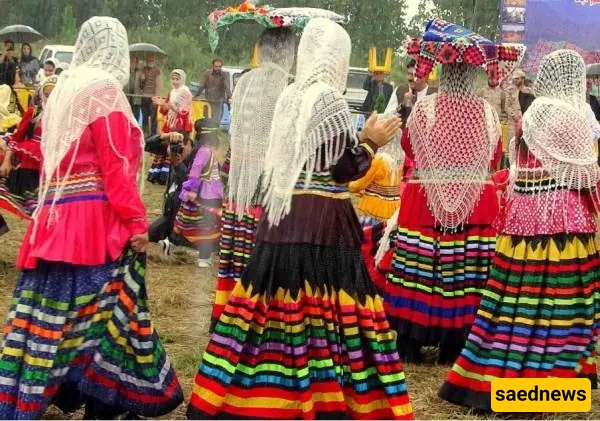
t consists of several components:
Women use two layers of head covering: an inner headband (lachak) and an outer scarf placed over it (dastmal).
The shirt is the main upper garment. In the Talysh dialect it is called “shasi,” while in eastern and lowland Talysh regions it is known as “pirahan” or “jameh.”
The shirt has slits on both sides, and its length is designed to fit over the trousers. The front is decorated with colorful embroidery and needlework. On special occasions such as weddings, girls wear finely embroidered shirts made from locally woven silk and cotton fabrics.
The vest is a common garment among Gilan women and has different local names across regions. It is a V-neck, open-front vest with buttons and pockets. A back strap allows adjustment of size.
This garment is worn by women in the eastern mountainous regions and is usually made of velvet or traditional woven fabric.
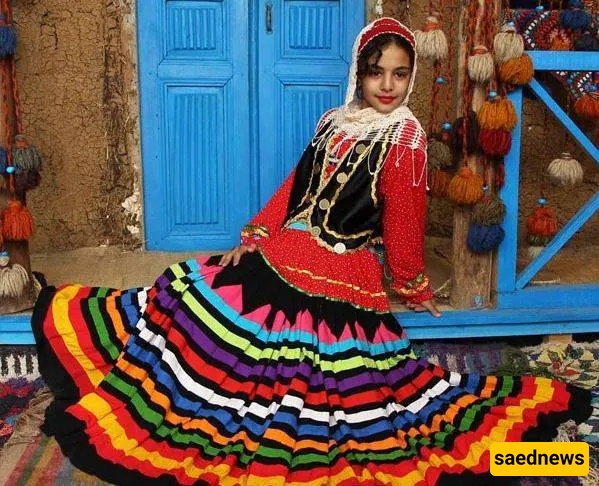
A short, pleated skirt known locally as “kootah tooman” or “gerd tooman.” In central and eastern Gilan, longer pleated skirts are also worn. In western Gilan, it is called “shalar.”
One of the most important elements of Gilan women’s clothing is the chadorshab, a woven cloth tied around the waist. In local dialects, it is also called “charshoo” or “kamarband.”
It is often red in color and richly patterned. Women weave it themselves as part of local handicrafts. Bridal chadorshabs feature various traditional motifs such as mountain goats, horse riders, and geometric designs.
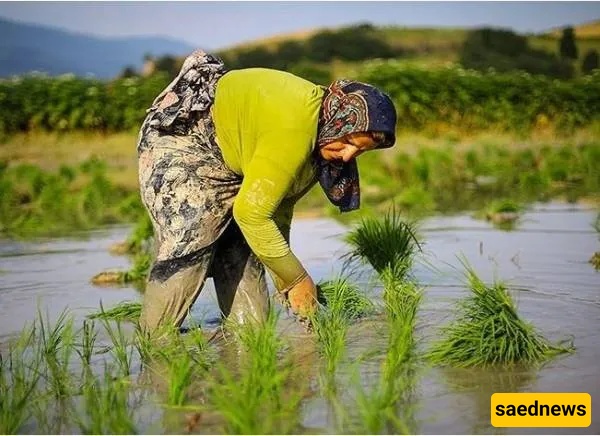
It is also practical, keeping women warm and protecting their backs during agricultural work such as tea picking, planting, and harvesting.
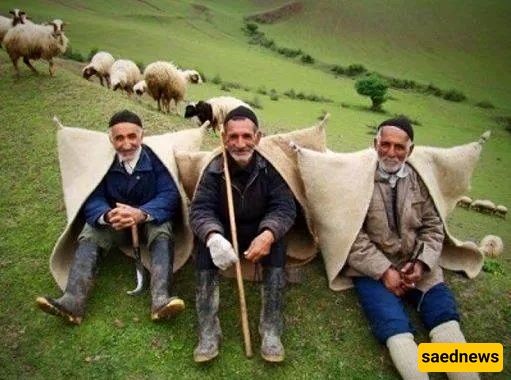
Men wear a short woolen jacket called chokha. In colder weather, longer wool coats (shola) are used, made from goat wool.
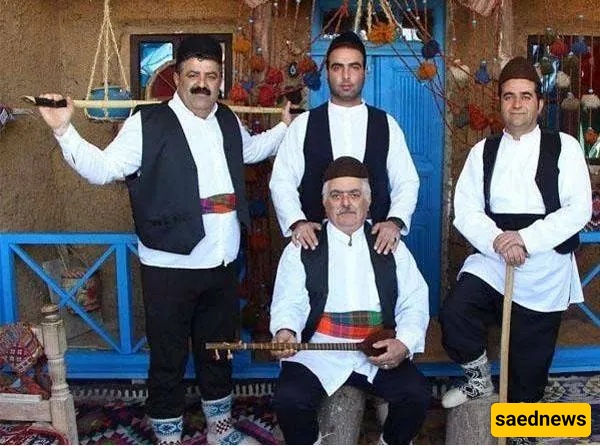
A light-colored cotton shirt is worn under the wool jacket.
Men wear simple black wool trousers called shalar, which are narrow at the ankles. Different traditional styles exist depending on age and region.
Men also wear vests (jalqadeh), made of thicker fabric in winter and lighter materials in warmer seasons.
Traditional hats include felt hats, Talysh-style hats, and sheepskin hats made from lamb fur.
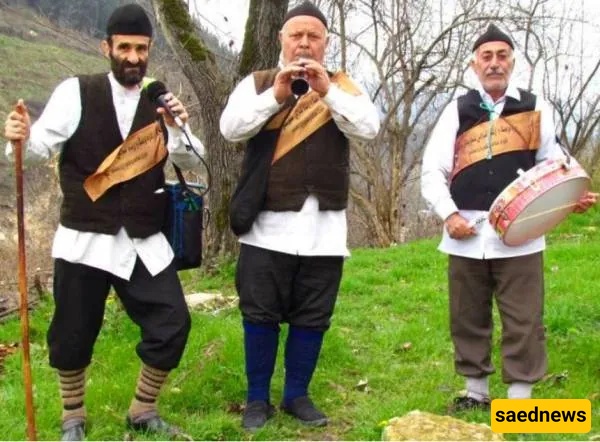
During ceremonies and weddings, men wrap a wide shawl around their waist.
Common traditional footwear includes leather shoes and local types such as charoq, giveh, rubber boots, and wooden clogs.
Shepherds traditionally wore a long outer garment called “bashlaq,” made from woven wool. They also wore a sleeveless felt coat called “kolagir” during the day and a heavier coat known as “shola” at night.
The historical roots of Gilan clothing date back to ancient artifacts discovered at sites such as Marlik (Rudbar region).
Gilan’s traditional costume has been recognized internationally and was once selected as one of the most colorful costumes in a New York cultural fashion festival.
White and red are the most commonly used colors, while black is also used, especially for skirts decorated with colorful embroidery.
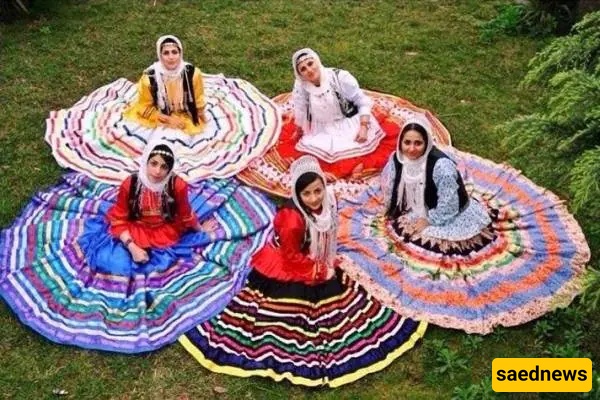
Eastern Gilan: “Qasemabadi” style
Western Gilan (Talesh): “Taleshi” style
Central Gilan: “Rasouqi” style
In western Gilan, Talysh women typically wear wide white headscarves.