SAEDNEWS: Some children may react strongly when the location of furniture or personal belongings in their room changes. Familiar surroundings can provide a sense of comfort, predictability, and security. Understanding the reasons behind these reactions can help parents make changes more smoothly and support children as they adjust.

According to SAEDNEWS, children often become familiar with the arrangement of their surroundings through daily routines. Knowing where their bed, toys, books, or other belongings are located can make the room feel predictable. When these items are suddenly moved, the child may feel that an important part of their familiar environment has changed.
A Need For Predictability
Young children may depend on predictable routines and surroundings to feel comfortable. A rearranged room can create uncertainty, especially when several things are changed at once. The reaction may appear as complaining, frustration, refusal, or a strong desire to put everything back in its previous position.
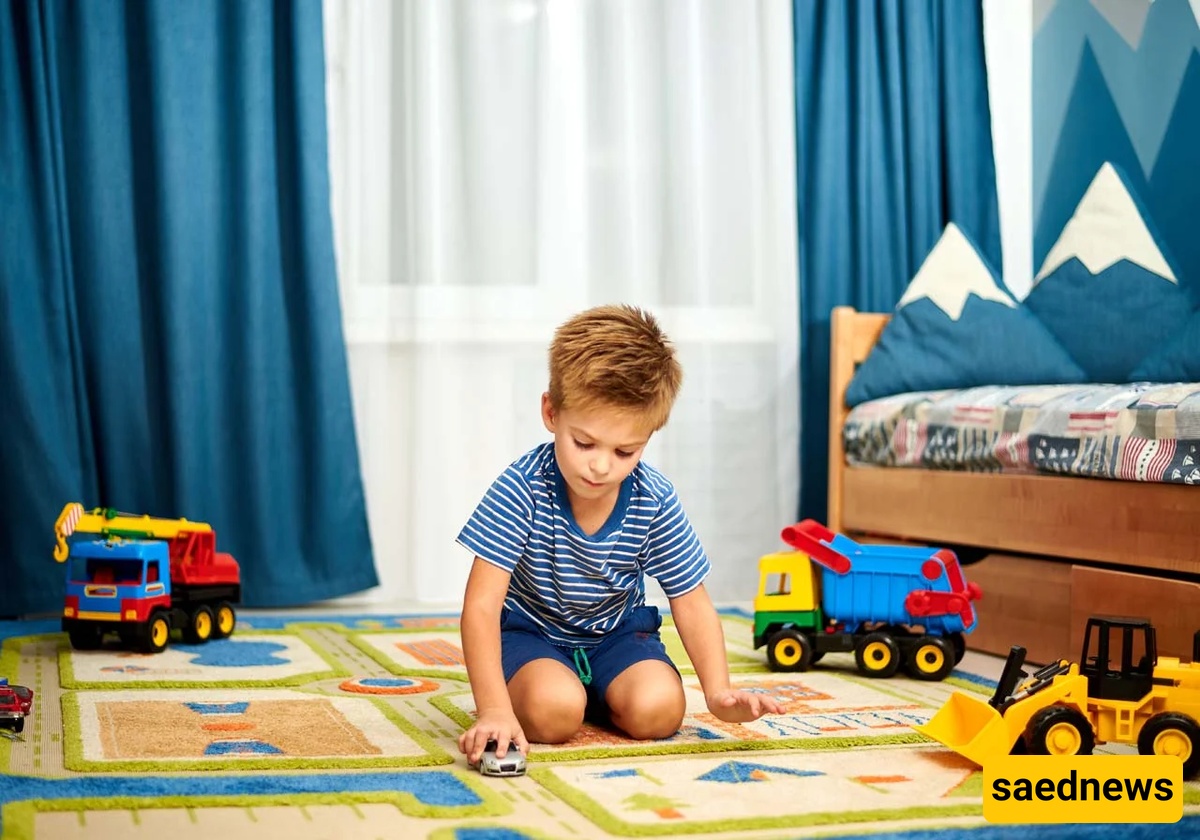
Attachment To Personal Belongings
Children can also develop emotional connections with objects and spaces they use regularly. A favorite toy, reading corner, or sleeping area may become part of their sense of comfort. Moving these items can therefore feel more significant to the child than it seems to an adult.
Age And Individual Differences
Children do not all respond to changes in the same way. Age, personality, previous experiences, and familiarity with change can influence their reactions. Some children quickly accept a new arrangement, while others need more time and reassurance before they feel comfortable with it.
How Parents Can Make Changes Easier
Parents can prepare children before rearranging their room by explaining what will change and why. Allowing the child to choose where some belongings will go can also give them a sense of participation and control. Making changes gradually and keeping important routines consistent may help the child adjust more comfortably.