SAEDNEWS: In northwestern Iran, ancient Armenian monastic ensembles preserve architecture, pilgrimage, faith, and centuries of cultural exchange. Their story shows how communities can maintain a distinct identity while remaining deeply connected to the wider region around them.
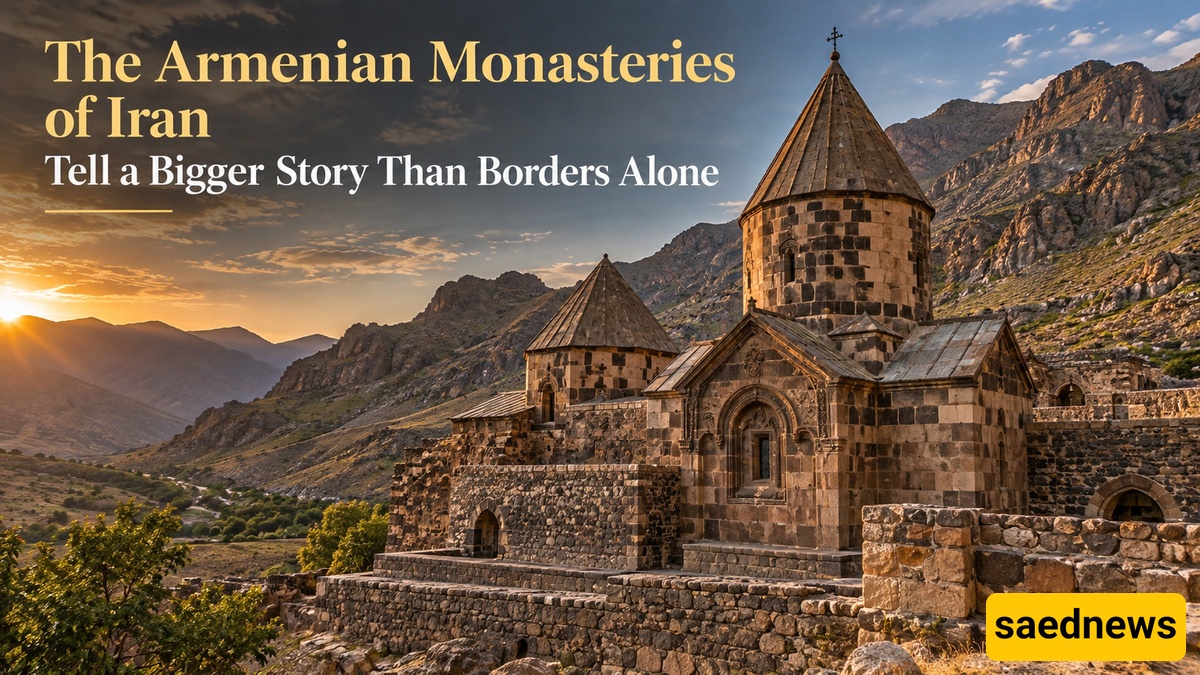
According to SAEDNEWS, The Armenian Monastic Ensembles of Iran stand in landscapes where mountains, valleys, roads, faith, and political borders have intersected for centuries. The World Heritage property includes the Monastery of St. Thaddeus, the Monastery of St. Stepanos, and the Chapel of Dzordzor. Together, they preserve far more than old stone. They are evidence of a long Armenian Christian presence and of the cultural relationships that shaped northwestern Iran.
St. Thaddeus is particularly striking for the contrast between darker and lighter masonry created during different building phases. UNESCO identifies surviving fabric there dating back to the seventh century, although the complex was altered repeatedly over time. Earthquakes, rebuilding campaigns, pilgrimage, changing political conditions, and new artistic influences all left traces.
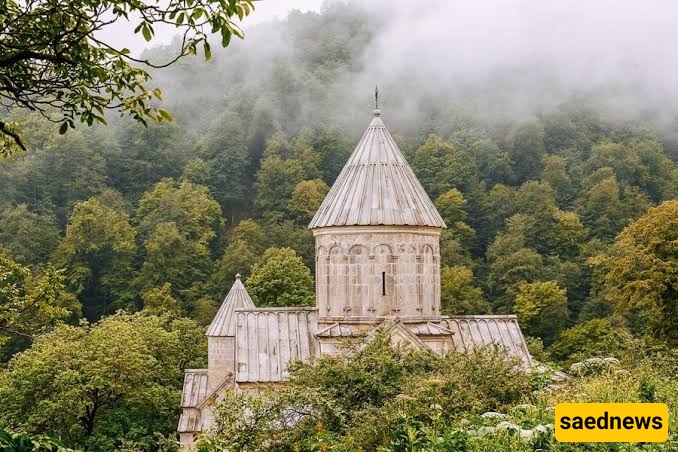
St. Stepanos, situated in the Araxes valley, is enclosed by fortified walls that make the monastery appear almost like a stronghold in the landscape. The architecture combines sacred space with practical protection, reminding visitors that religious communities often lived through periods of instability. Relief carvings, stonework, and spatial organization preserve Armenian traditions while also reflecting contact with neighboring cultures.
The Chapel of Dzordzor adds an unusual modern chapter. Rather than being abandoned when a dam project threatened its original setting, the chapel was dismantled and reassembled at a safer location. The operation saved the structure from inundation, but it also raises a difficult heritage question: how much of a monument’s meaning lies in the building itself, and how much comes from the exact landscape in which it originally stood?
These sites complicate simplistic stories about modern borders. Cultural history rarely fits neatly inside the political lines of the present day. Armenian communities in this region maintained a distinctive religious, artistic, and linguistic identity while also participating in a broader network of trade, diplomacy, craftsmanship, and regional exchange.
That is why the monasteries should not be viewed merely as exotic ruins or isolated relics. They are sacred places with living religious meaning as well as historical significance. Visitors enter spaces shaped by prayer, memory, pilgrimage, and conservation, and respect for that continuing function is part of understanding them.
The Armenian monasteries of Iran tell a story in which identity survives through continuity, but continuity does not mean isolation. Their walls bear witness to a region where communities remained themselves while constantly encountering others.