SAEDNEWS: Nowruz crosses national, religious, and linguistic boundaries while preserving a shared promise of renewal. Its endurance comes from a flexible core: clean, gather, prepare, visit, give, remember, and begin again.
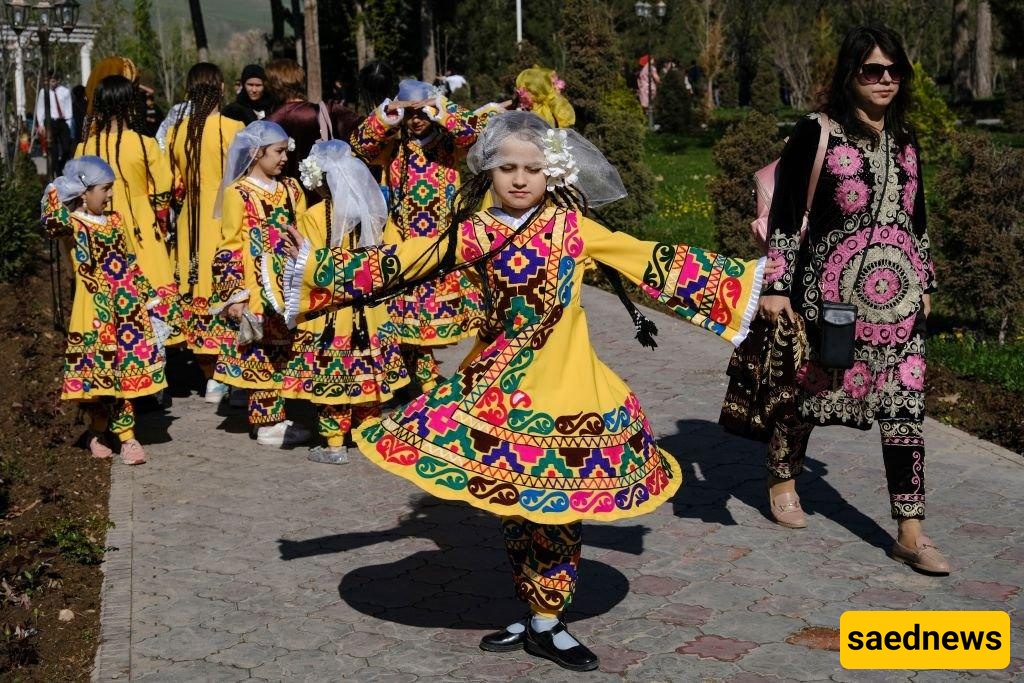
According to SAEDNEWS, Nowruz means “new day,” but the phrase describes more than the first page of a calendar. For millions of people, it marks the arrival of spring through a sequence of actions that make renewal visible: homes are cleaned, tables are arranged, relatives are visited, food is prepared, gifts are exchanged, and the turning of the season becomes something families can physically take part in.
UNESCO notes that Nowruz has been celebrated for more than 3,000 years across a broad region that includes parts of the Balkans, the Black Sea basin, the Caucasus, Central Asia, the Middle East, and beyond. The multinational heritage tradition includes Iran and many neighboring countries, while the United Nations recognizes 21 March as the International Day of Nowruz.
That wide geography explains why there is no single “correct” version of the festival. Customs vary by country, region, city, village, and family. In Iran, one of the best-known elements is the haft-seen table, traditionally arranged with items whose Persian names begin with the letter “س” (s). Families may also include a mirror, candles, painted eggs, books, flowers, or other objects that reflect personal, regional, or religious preferences.
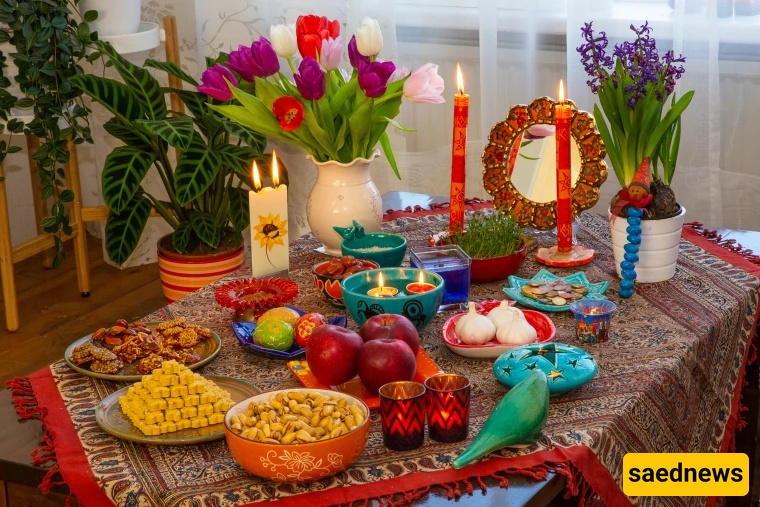
The table is only one part of the experience. In the days before Nowruz, many households take part in khaneh tekani, the deep cleaning associated with preparing the home for a fresh beginning. New clothes may be bought. Children anticipate gifts. Families plan visits, especially with older relatives. The point is not simply to decorate but to reset relationships and spaces before the year begins.
Food also changes with the season. Fresh herbs, rice dishes, sweets, nuts, fruit, and regionally specific recipes appear on tables, but the exact menu is never as important as the act of sharing it. In one household, Nowruz may be loud and crowded; in another, quieter and more intimate. Diaspora families may substitute ingredients that are hard to find, combine traditions from several places, or connect relatives across different time zones.
That flexibility is one reason Nowruz has survived so well. Living traditions endure by adapting to new circumstances without losing their emotional center. A family celebrating abroad does not become less authentic because its haft-seen includes an improvised item. A younger generation using video calls to connect with relatives is still participating in the older logic of gathering.
The festival also stretches beyond the first day. The Nowruz period continues through visits, meals, and social rituals before reaching Sizdah Bedar, when many Iranians spend time outdoors on the thirteenth day of the new year. The movement from house cleaning to family gathering to outdoor celebration gives the holiday a rhythm rather than reducing it to a single midnight moment.
Nowruz has lasted because its central promise remains easy to understand. Winter ends. The world changes color. People make room for one another. Whatever happened before, there is value in beginning again.