SAEDNEWS: This plant is native to China and Siberia. The apricot has water and climate requirements similar to those of the peach and is considered one of the trees of warm temperate regions. It cannot withstand severe winter cold.

According to Saednews, The apricot tree is grown from its seed, which is the stone-like pit found in the center of the fruit. It takes about 3 to 4 years for the plant to transition from a seedling stage to a fruit-bearing tree. Like many other fruit trees, people are often unwilling to wait this long; instead, they visit nurseries and buy young apricot saplings to plant in their gardens or orchards. The saplings available in nurseries are typically two years old. A purchased young tree will need about two more years before producing its first fruit.
Important note: Apricot fruits grow on second-year wood. This should be considered when pruning the tree, especially in its early years.
If you plan to grow your apricot tree from a seed, here are the steps:
First, soak the apricot pit in water for 24 hours. Then place it inside moist paper towels, damp sand, or moist organic compost, and put it in a sealed plastic bag. After that, store it in the refrigerator for at least one month. After this period, the seed will be ready for planting in soil.
This plant is native to China and Siberia. In terms of climate needs, apricot is similar to peach and is classified as a temperate-zone fruit tree. It cannot tolerate severe winter cold.
Apricots require a chilling period of about 300–900 hours below 7°C to break bud dormancy. Cold winters and warm, dry summers are ideal for their growth and fruiting. The tree can tolerate winter temperatures down to around −25°C. Apricot blossoms appear before the leaves, similar to peach trees. In warmer winter regions, buds may drop prematurely. Open flowers are sensitive to late spring frosts, so cultivation should be done in areas without frost risk, as apricot blooms earlier than many other fruit trees. Pollination is carried out by insects. Most fruits form on two-year-old spurs, which dry out after about three years, making light pruning necessary to encourage new productive growth.
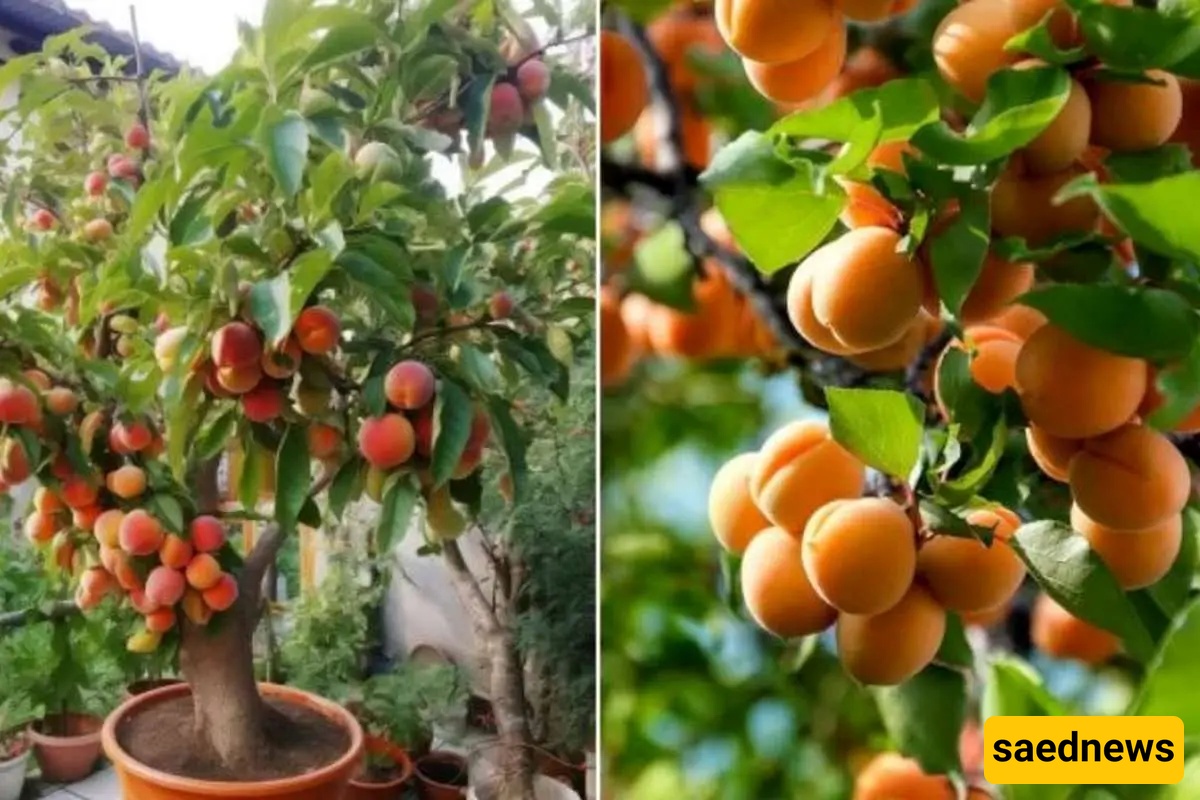
The best training system for apricot trees is an open-centered (vase-shaped) form. Grafted seedlings begin producing fruit about 4–5 years after planting. Most apricot varieties are self-fertile and do not require pollinizer varieties. Light loamy sandy soils with good drainage are ideal, as the roots are sensitive to waterlogging.
Propagation is commonly done by grafting onto different rootstocks. Seedling apricot rootstocks perform well in deep, well-drained soils, with planting distances of 5–7 meters. In dry, calcareous, or nematode-infested soils, plum rootstocks are used. In rocky and dry lands, almond rootstocks are suitable. Peach rootstocks are sometimes used to produce dwarf trees, though incompatibility issues may occur at the graft union.
Myrobalan plum, which can be propagated by rooted cuttings, is used as a rootstock in heavy and wet soils, although it is sensitive to Verticillium wilt.
In some regions, an intermediate stem (interstock) is used on Myrobalan rootstock. Apricot trees grafted this way may initially produce drooping branches, which later become upright. Apricot is a stone fruit, and important varieties grown in Iran include “Shakarpareh” and “Nakhjavan.” Seed-grown varieties that produce lower-quality fruit are often used for dried apricots.
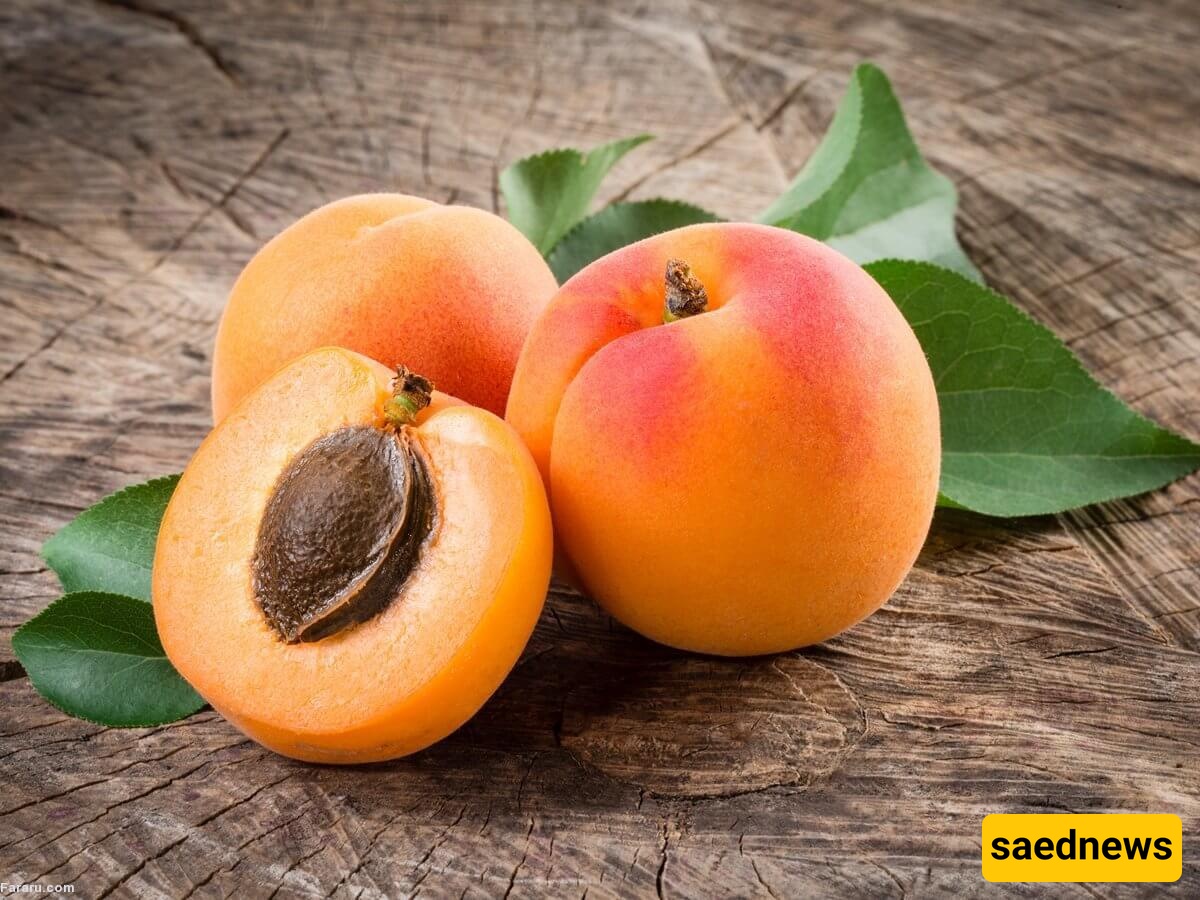
Choose a location in your garden or orchard that receives full sunlight. Dig a deep planting hole and, if possible, add a large amount of well-decomposed compost and mix it thoroughly with the native soil.
If your seedling is in a pot, carefully break the pot to remove the plant without damaging the roots. If it is in a plastic container, remove it gently and spread the roots before placing it in the hole.
Fill the hole with soil so that the soil level matches the original level of the plant in its container. Add more soil if necessary.
Apricot roots are sensitive to heavy, water-retentive soils. It is recommended to use normal garden soil mixed with well-rotted manure.
Fertilizers should be used only if the tree shows signs of nutrient deficiency, such as poor growth or weak flowering. If no deficiency symptoms are observed, fertilization is not necessary.
Regular irrigation is essential for healthy apricot growth. Maintaining consistent soil moisture supports proper development. In addition to quantity and consistency, water quality is also important.
Traditional irrigation requires approximately 7,000–10,000 cubic meters of water per hectare per year, depending on climate and variety. With drip irrigation, water use can be reduced to about 5,000–6,000 cubic meters per hectare.
Avoid direct contact between irrigation water and the trunk (root collar).
Full, direct sunlight is essential. Apricot trees need at least 8 hours of sunlight daily. Insufficient light leads to weak growth and smaller leaves.
Apricot trees require winter chilling to stimulate flowering, which is why they are not suitable for tropical regions. They are sensitive to late spring frosts because they flower earlier than many other fruit trees.
Their chilling requirement is approximately 300–900 hours below 7°C.
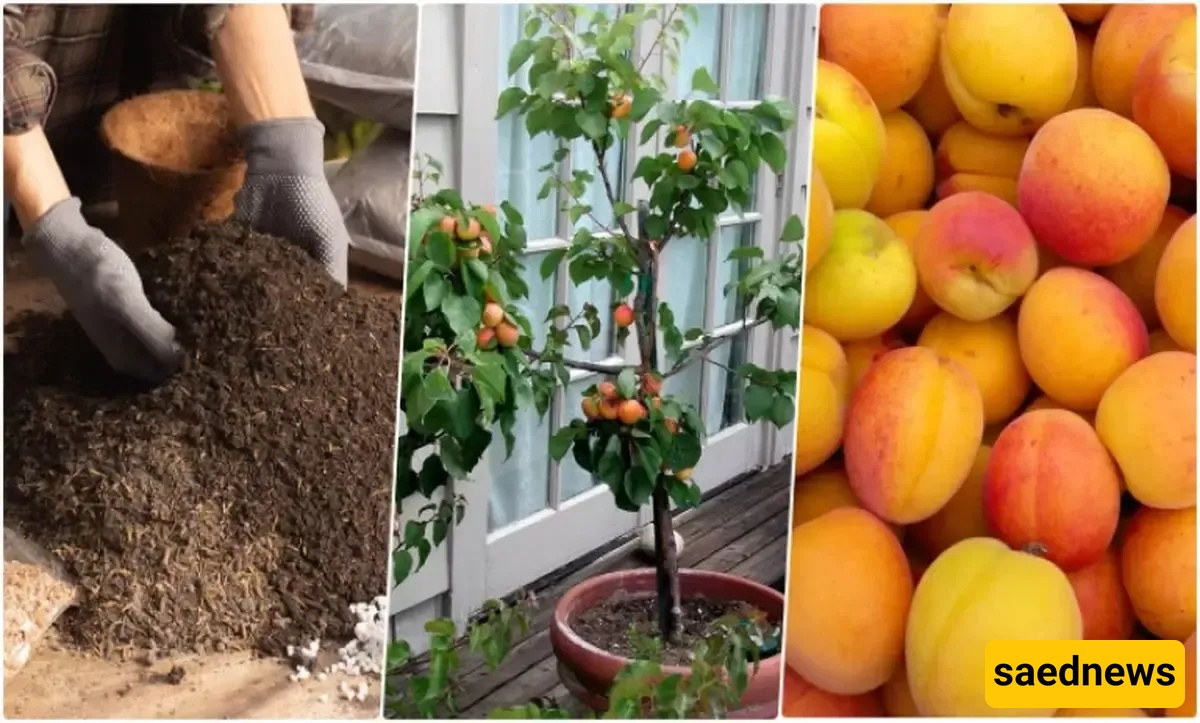
Pruning improves productivity. It is usually done in late winter or early spring. Dead, damaged, or overly vigorous branches should be removed first. Proper pruning improves overall tree growth and fruit production.
Apricots are commonly propagated from seed, and it takes about 3–4 years for a seedling to become a fruit-bearing tree. Seeds require about 90 days of cold stratification below 5°C for successful germination.
Steps:
Separate the seed from the fruit and wash off the pulp
Place seeds in sand, peat moss, or sawdust that retains moisture
Keep the medium slightly moist (not wet)
Remove the hard shell if possible to help germination
Plant the seed at a depth of 2–3 times its size
Maintain a temperature of about 20°C
Germination occurs within 3–4 weeks