SAEDNEWS: Tea in Iran is an everyday drink, a social invitation, and a rhythm for conversation. Understanding how it is offered and shared reveals why hospitality often begins long before a meal reaches the table.
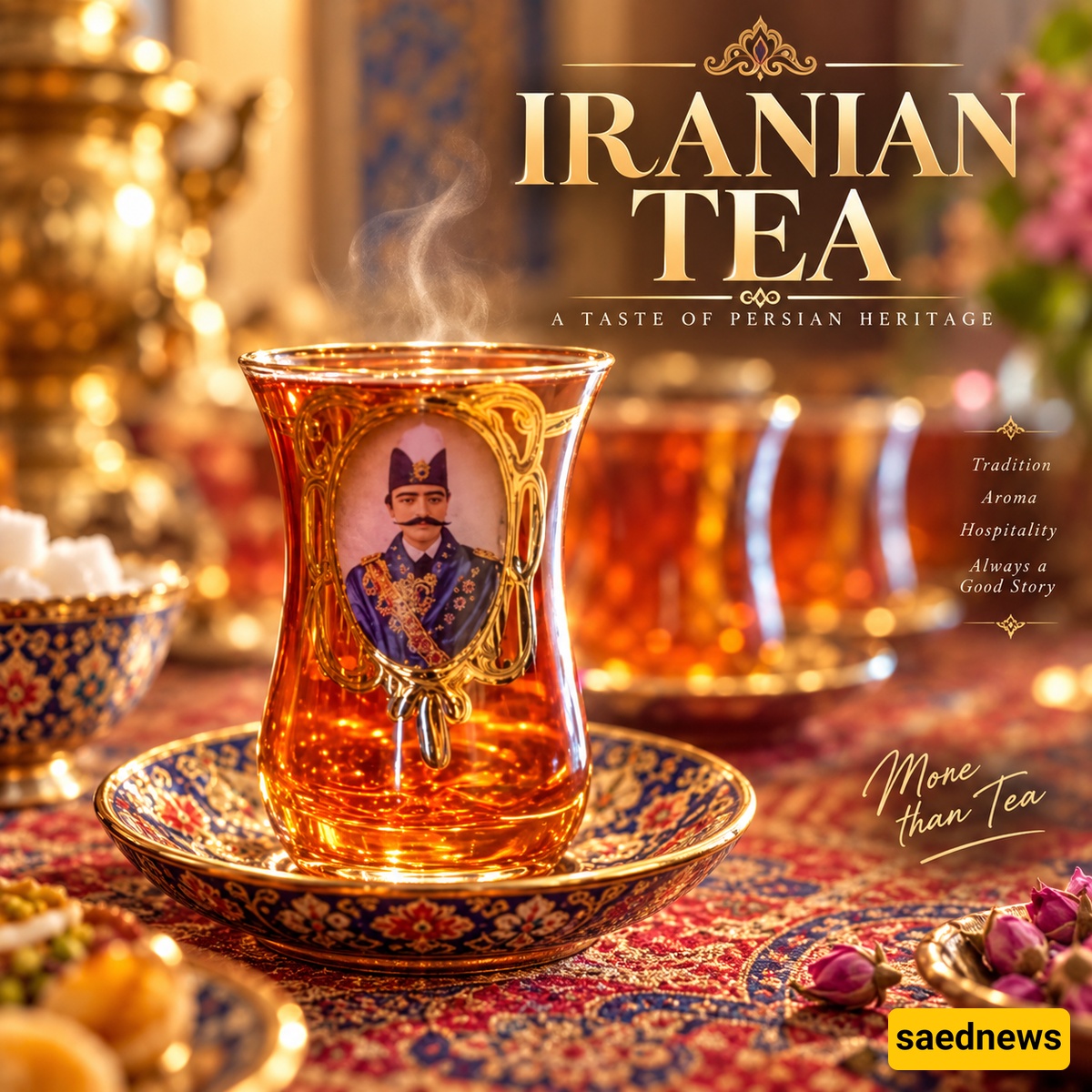
According to SAEDNEWS, A small glass of dark tea can appear within minutes of entering an Iranian home, office, shop, workshop, or waiting room. It may arrive on a saucer with a teaspoon, sugar cubes, dates, sweets, or simply by itself. The gesture is so common that it can seem almost automatic—but that is exactly why it says so much about everyday hospitality.
Tea is not reserved for formal occasions. It accompanies business conversations, family visits, long afternoons, quick breaks, serious discussions, and moments when nothing in particular needs to be said. Offering a glass creates a pause and signals that the other person has been noticed.
Iranian tea is commonly brewed strong and then adjusted to taste. A kettle and teapot may be used together, and samovars remain part of the cultural image of tea drinking even as modern electric kettles have become common. The clear, narrow-waisted glass often associated with tea service makes the color visible, allowing the drinker to judge its strength at a glance.
Sugar habits vary. Some people place a sugar cube between the teeth and sip the tea through it. Others drop sugar directly into the glass, prefer rock candy, or skip sweetener entirely. Tea may be served with dates, biscuits, fruit, or small sweets. There is no single universal ritual, and household habits often matter more than formal etiquette.
UNESCO’s multinational inscription of çay culture, shared by Iran and Türkiye, recognizes tea as a symbol of identity, hospitality, and social interaction. That description captures something important: the drink matters not simply because of flavor, but because of what happens around it.
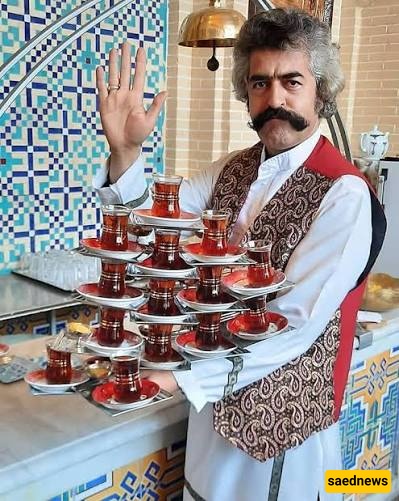
A refill can extend a conversation. A host may notice that a guest’s glass is empty before the guest says anything. A guest may initially decline out of politeness and then accept. These exchanges can be subtle, but they create a social rhythm familiar to many Iranian families.
For visitors, the etiquette is usually less intimidating than it appears. Accept tea if you want it, thank the host, watch how others take sugar, and politely indicate when you have had enough. Hospitality is not an examination in which outsiders must perform every custom perfectly.
The most revealing thing about Iranian tea culture is its ordinariness. Grand feasts make impressive photographs, but hospitality is often built from smaller gestures repeated every day. A glass is poured, a chair is offered, and conversation is given time to begin.
Sometimes an entire culture of welcome fits inside a glass small enough to hold in one hand.