SAEDNEWS: Children may become more oppositional when they are tired because fatigue reduces their ability to manage emotions, control impulses, and adapt to requests. Understanding this behavior can help parents respond calmly and recognize when a child needs rest rather than discipline.
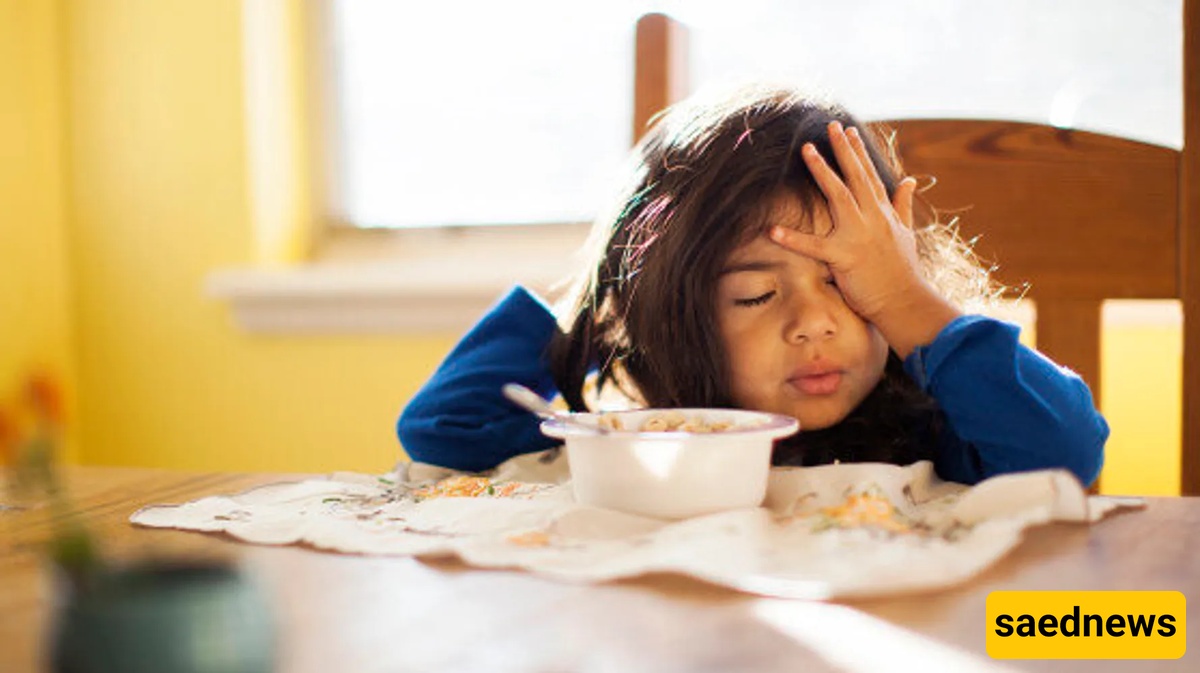
According to SAEDNEWS, fatigue can make it harder for children to regulate their emotions. When a child is tired, small requests or changes may feel much more difficult than usual. As their ability to stay calm decreases, they may respond with crying, arguing, refusing, or shouting.
Children are still developing the skills needed to control impulses and manage frustration. Lack of rest can make these skills temporarily weaker. A child who normally cooperates may therefore say “no” more often or struggle to follow simple instructions when feeling exhausted.

When children are tired, they often have less mental energy for making decisions and changing activities. Asking them to stop playing, put away their belongings, or get ready for bed may trigger resistance. The opposition is not always deliberate; it can be a sign that the child has reached their limit.
Tiredness may become more noticeable when a child has also gone too long without eating. Hunger and exhaustion can both contribute to irritability and make patience more difficult. Offering an appropriate meal or snack, followed by a calm period of rest, may help the child regain emotional balance.
Instead of immediately treating tired-related resistance as bad behavior, parents can first consider whether the child needs rest. Speaking calmly, giving simple choices, maintaining regular sleep routines, and avoiding unnecessary arguments can make difficult moments easier. Recognizing fatigue early can also help prevent minor frustration from turning into a larger conflict.