SAEDNEWS: Photography reached nineteenth-century Iran as far more than a foreign novelty. At the Qajar court, Naser al-Din Shah became an enthusiastic photographer and collector, helping create a remarkable visual archive of royalty, architecture, technology, travel, and private court life.
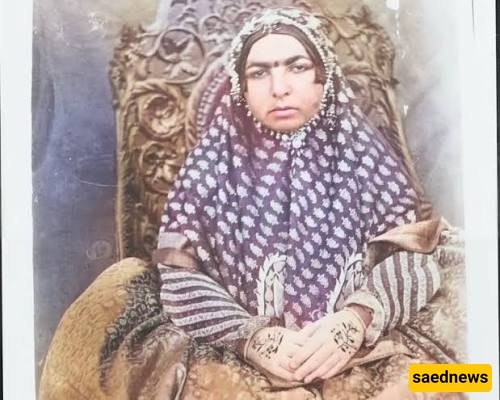
According to SAEDNEWS, When photography arrived in Iran in the nineteenth century, the new medium quickly attracted the attention of the Qajar court. Naser al-Din Shah, who ruled from 1848 to 1896, is remembered not only as a royal subject who posed for photographs but also as a practitioner who took a serious interest in cameras, photographic processes, and the creation of images.
That enthusiasm helped transform photography into part of court culture. Cameras and chemical processes arrived alongside imported technical knowledge, while local photographers learned and adapted the medium. Albums accumulated. Images were annotated, stored, exchanged, and used to document people, buildings, journeys, diplomatic encounters, and royal activities.
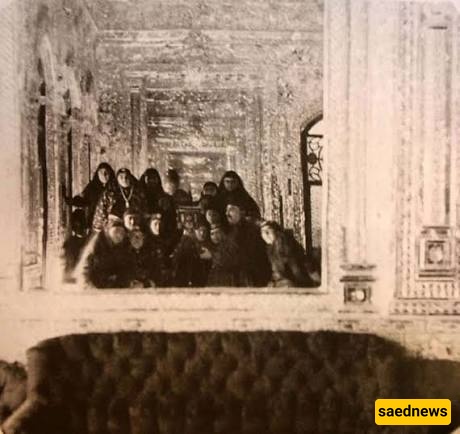
The surviving photographs are valuable because they show details that formal painting often handled differently. Clothing, furniture, rooms, equipment, servants, relatives, architectural spaces, and moments of relative informality all appear in the archive. Yet photographs should never be mistaken for neutral windows into the past. Every image is the result of selection: someone chose who stood before the camera, how they were posed, where they were placed, and which images were preserved.
That issue is especially important when viewing photographs of women and court employees. Modern captions can easily become sensational when removed from archival context. An image that seems candid to a contemporary viewer may have been carefully staged. A person whose identity is unknown should not be assigned a dramatic story simply because the photograph invites curiosity.
The Golestan Palace collections became central to this visual world. The palace was not only a royal residence but also a site where new forms of representation developed alongside older court traditions. Painted portraits, photography, decorative art, and imported objects all participated in the Qajar project of showing power and modernity.
Photography also changed memory. A painting might idealize a ruler according to established conventions; a photograph could preserve the specific details of a room, a uniform, a face, or a journey. That did not make photography more objective, but it created a different kind of historical record—one that modern researchers can compare with written documents, architecture, inscriptions, and other visual sources.
The Qajar camera therefore did more than record a changing Iran. It became part of the change itself. Through photography, the court experimented with new ways of seeing, cataloguing, remembering, and presenting both private and public life.