SAEDNEWS: Plants may change color after being exposed to intense light because excessive light can affect pigments and damage sensitive leaf tissues. Changes such as yellowing, browning, fading, or reddish tones can indicate that the plant is adjusting to its environment or experiencing light stress.
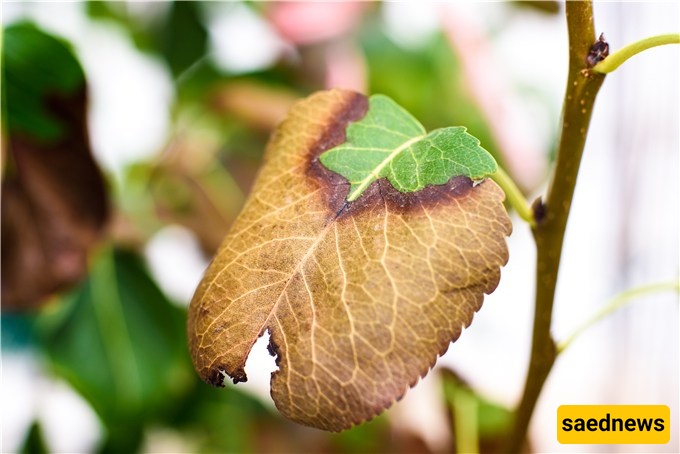
According to SAEDNEWS, plants need light for photosynthesis, but very intense light can place stress on their leaves. Chlorophyll, the pigment responsible for much of the green color, can become less effective when light exposure is excessive. As chlorophyll levels change, other natural pigments may become more visible, causing noticeable shifts in leaf color.
Plants have natural mechanisms that help protect their tissues from excessive light. Some can produce protective pigments or increase antioxidant activity when exposed to strong sunlight. These changes may create reddish, purple, or bronze shades, particularly in leaves that receive significantly more light than the rest of the plant.
Extended exposure to intense light can damage leaf cells, especially when high temperatures or insufficient moisture occur at the same time. Damaged areas may gradually become pale yellow, dry, or brown. Leaf edges and surfaces that directly face a strong light source are often affected first.
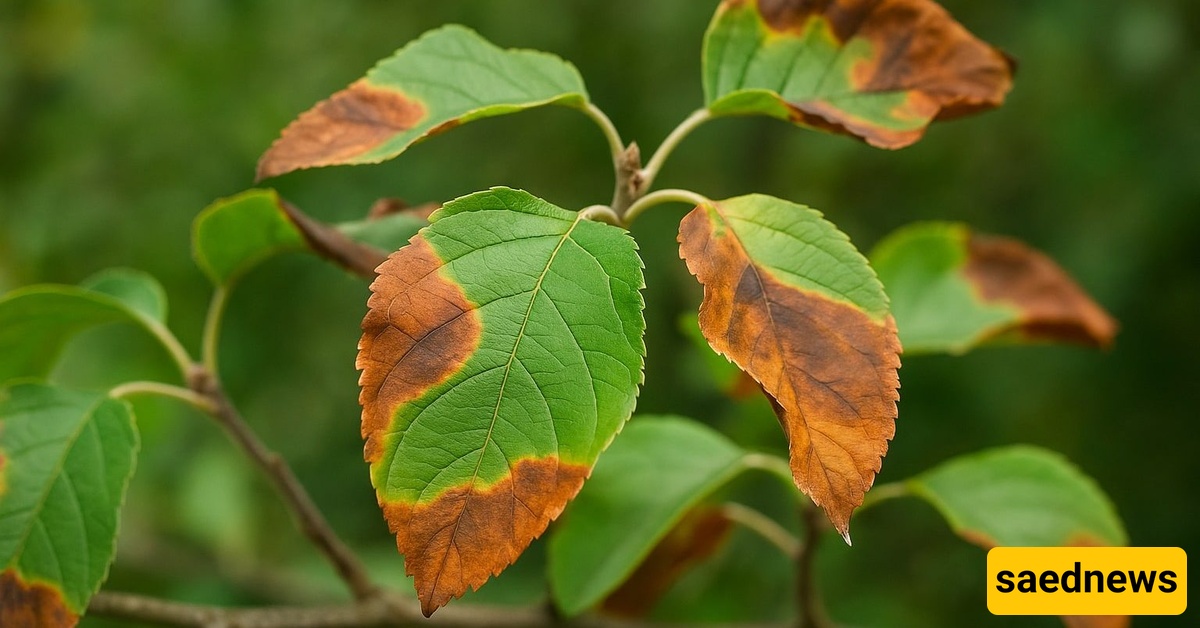
A plant accustomed to moderate indoor light may react strongly if it is suddenly moved into bright sunlight. Gradual changes give the plant more time to adjust its protective systems. Moving a plant toward stronger light step by step can therefore reduce the risk of sudden discoloration and leaf damage.
When unusual color changes appear after increased light exposure, check the plant's location, watering routine, and overall growing conditions. Providing bright but appropriate light, avoiding abrupt environmental changes, and keeping moisture levels consistent can help the plant recover. Removing severely damaged leaves may also improve its appearance while healthy new growth develops.