SAEDNEWS: Children may become upset when their playtime is shortened because play is an important part of their daily routine, emotional expression, and sense of control. Understanding the reasons behind their reaction can help parents respond calmly and make transitions easier.
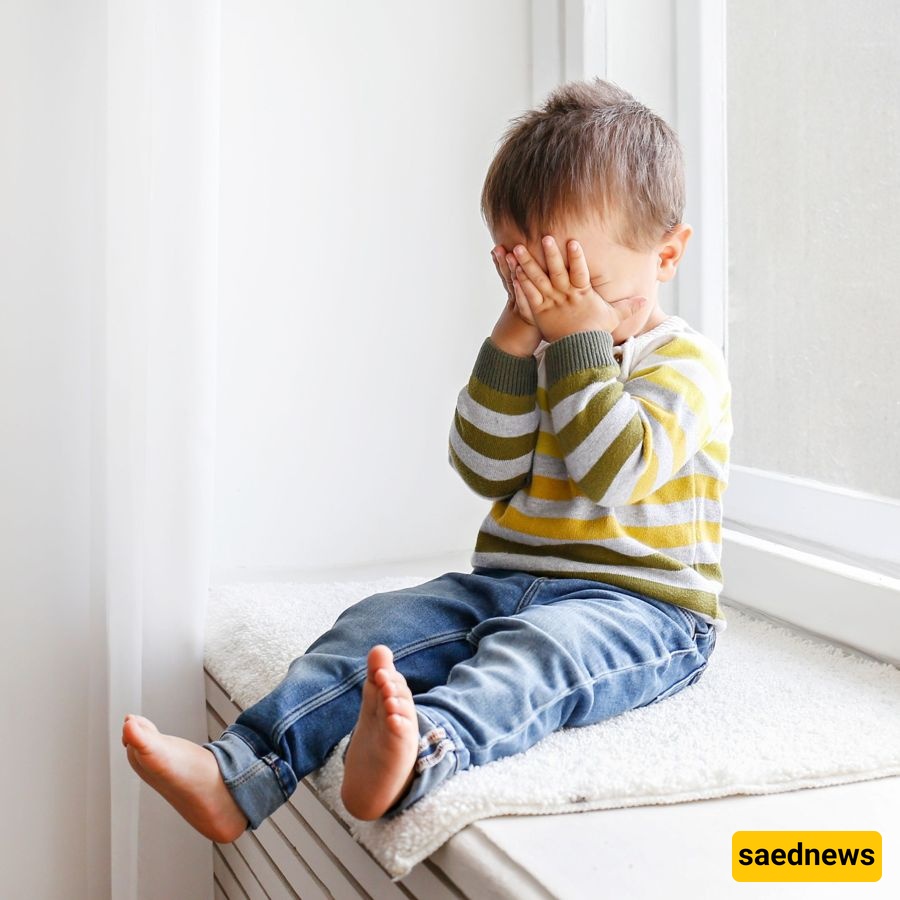
According to SAEDNEWS, play is more than simple entertainment for children. It gives them an opportunity to use their imagination, practice skills, interact with others, and express their feelings. When playtime suddenly ends earlier than expected, a child may feel that an enjoyable and meaningful activity has been taken away.
Children often feel more comfortable when they know what will happen next. If they expect to play for a certain amount of time and the activity ends sooner, the change may feel unexpected. Younger children may also have difficulty understanding why the schedule has changed, which can lead to crying, complaining, or refusing to stop playing.
Play allows children to make many of their own choices. They can decide what to build, which game to play, or how a story should continue. Being told to stop before they feel finished can create a temporary feeling of losing control. The reaction may therefore be stronger when the child is deeply involved in an activity.
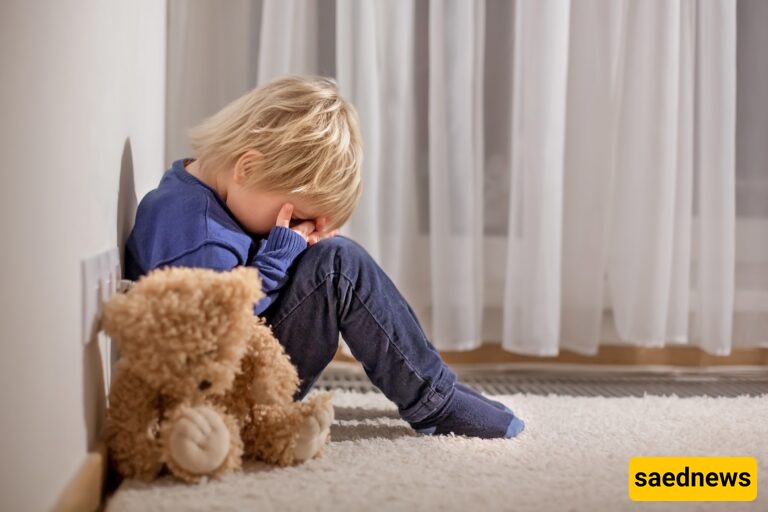
Stopping an enjoyable activity requires children to shift their attention from something they like to something they may find less interesting. Young children are still developing the ability to manage disappointment and regulate emotions. As a result, frustration over shortened playtime can appear as anger, sadness, or resistance rather than a calm explanation of their feelings.
Giving a child a little warning before playtime ends can make the transition more predictable. Parents can say that there are only a few minutes left and help the child finish a small part of the activity. Offering a simple choice afterward, such as choosing which task to do first, can also provide a sense of participation. A calm and understanding response helps children gradually learn that ending playtime does not mean their feelings are being ignored.